
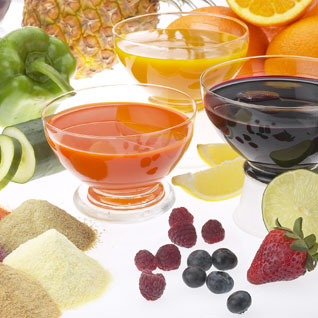
The Book, How Not To Diet, by Michael Greger was suggested during our Zoom Class on Gut Health, as one of the best sources for understanding how to feed the body and build gut health. The Chapter on Fiber is worth the price of the book when it comes to gut health.
The pdf of , The Amazing Liver Flush by Andrea Moritz was also suggested as an excellent resource for those wanting the understand how the liver affects the health of the Gut. A link to download the pdf file is at the end of this blog.
Our class discussion included many ailments associated with the gut along with suggestion on how to rebuild the health of the gut. Any member wishing to join our discussion group should look for the invite email sent out the day of the class to our membership.
Here are some suggestions to improve your Gut Bacteria
Eat A Diverse Range of Foods
There are hundreds of species of bacteria in your intestines, each of which plays a specific role in health and requires different nutrients for growth. A diet consisting of different food types can lead to a more diverse microbiome. Generally speaking, a diverse microbiome is considered a healthy one. This is because the more species of bacteria you have, the more health benefits they may be able to contribute to. To Summarize: Eating a diverse diet rich in whole foods can lead to a diverse microbiome, which is beneficial for your health.
Eat lots of Vegetables, legumes, beans, and fruit
These foods are high in fiber which will help feed the bacteria in your gut. Fruits and vegetables that are high in fiber aid in promoting the growth of beneficial gut bacteria, including specific types such as Bifidobacteria.
Eat Fermented Foods
Fermented Foods have undergone fermentation, a process in which the sugars they contain are broken down by yeast or bacteria. Here is a list of some common fermented foods:
- yogurt
- kimchi
- sauerkraut
- kefir
- kombucha
- tempeh
Many of these foods are rich in lactobacilli, a type of bacteria that can benefit your health. Research shows that people who eat a lot of yogurt appear to have more lactobacilli in their intestines. These people also have less Enterobacteriaceae, which is a type of bacteria associated with inflammation and a number of chronic conditions. Fermented foods like plain yogurt can benefit the microbiome by enhancing its function and reducing the abundance of disease-causing bacteria in the intestines.
Eat Prebiotic Foods
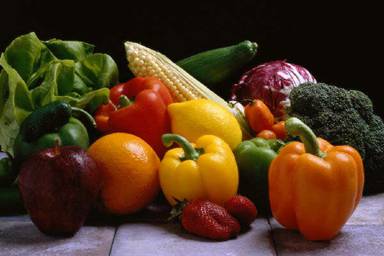
They are mainly fiber or complex carbs that human cells cannot digest. Instead, certain species of bacteria in the gut break them down and use them for fuel. Many fruits, vegetables, and whole grains contain prebiotics, but they can also be found on their own.
Resistant starch can also be a prebiotic. This type of starch is not absorbed in the small intestine and passes into the large intestine, where the microbiota break it down. Prebiotics promote the growth of several types of beneficial bacteria, including Bifidobacteria. Some studies suggest that prebiotics could also reduce risk factors for certain health conditions by decreasing levels of insulin, triglycerides, and cholesterol.
A Plant Based Diet is best for Gut Health
A number of studies have shown that vegetarian diets may benefit the gut microbiome, which is due at least in part to their high fiber content.
Foods Rich in polyphenols have many health benefits including reduction in blood pressure, inflammation, cholesterol levels and oxidative stress. Some foods rich in polyphenols are:
- cocoa and dark chocolate
- red wine
- grape skins
- green tea
- almonds
- onions
- blueberries
- broccoli
Polyphenols can’t be digested efficiently by human cells, but they are efficiently broken down by the gut microbiota. They may improve several health outcomes related to heart disease and inflammation.
Find a good Probiotic
Probiotics are live microorganisms, usually bacteria, that provide a specific health benefit when consumed. Probiotics do not significantly change the composition of the microbiome in healthy people. However, they may improve microbiome function and help restore the microbiome to good health in those with certain health conditions.
The bottom line is your gut bacteria are extremely important for many aspects of your health. The best way to maintain a healthy microbiome is to eat a range of fresh, whole foods, mainly from plant sources like fruits, veggies, legumes, beans, and whole grains.
Something to think about and try. Fermented foods are highly nutritious and can be a great way to add diversity to your diet while enhancing gut health. Try trading milk for kefir in smoothies, using miso as a base for soups and sauces, or adding tempeh to your favorite stir-fry recipes!

 Dara Dietz Blog