
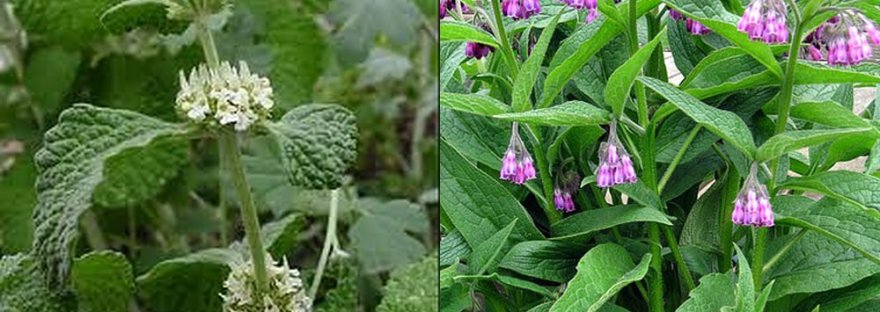

Over the weekend a member texted me with a horrid cough, and I realized I had nothing on my blog to send him to. I’ve mentioned this formula in my flu posts for years but never written it up. So here it is.
The bronchial tubes carry air to and from the lungs. They’re lined with a thin layer of mucus that traps dust, germs and irritants before they can reach the delicate lung tissue beneath. When all is well, that mucus stays thin and is cleared quietly, without our ever noticing.
When the bronchial tubes are irritated, that mucus thickens into old, hard debris the body can’t seem to cough out on its own. Left there, it keeps irritating the airway, and the body keeps trying to cough it up. That is how a cold or flu turns into a nagging cough that hangs on for weeks. Stop the coughing by clearing out what is causing it.
One summer, in a vegan cooking class I was teaching, a woman couldn’t stop coughing. She’d been a missionary in Ecuador and had come home so her chronic cough could finally get some attention. She started on this formula, and a cough that had been with her for who knows how long was gone within a week.
What a Good Bronchial Formula Contains
A good formula for clearing the bronchial tubes might contain these seven herbs:
- Comfrey Root, 4 parts. The lead herb. Comfrey soothes irritated tissue faster than almost anything I know, and it helps loosen the old mucus so it can come up.
- Horehound, 4 parts. A classic bitter expectorant that breaks up thick, tough phlegm and moves it out of the chest.
- Boneset, 4 parts. Long used for chest colds, flu and lingering congestion. Its old names, feverwort and ague weed, come from exactly this kind of use.
- Coltsfoot, 4 parts. Its Latin name, Tussilago, means “cough dispeller.” It is soothing and slippery, and it calms an irritated throat and bronchial tubes while it helps clear them.
- Elecampane Root, 2 parts. A warming bitter with a long history with old, stubborn chest congestion.
- Ginger Root, 1 part. The circulation herb. It moves blood and clears waste at the capillary level, carrying the rest of the formula to the tissue that needs it.
- Lobelia, 1 part. Just a small amount to relax the throat, stomach and bronchial tubes so the rest of the formula can do its work.
“Parts” can be any measure you like, as long as you use the same one for every herb. By weight, that’s 4 ounces each of the first four herbs, 2 ounces of Elecampane, and 1 ounce each of Ginger and Lobelia.
How It Works
Comfrey, Horehound, Boneset and Coltsfoot are all expectorants. Together they help the body loosen and bring up the old, hardened mucus that a cough alone can’t move. Elecampane adds its own warming help with stubborn congestion, Ginger carries the formula where it’s needed, and the touch of Lobelia relaxes the airway so the mucus can come up instead of the coughing just going on and on.
As the old debris clears, the irritation goes with it, and the cough quiets down because there’s nothing left to cough up. It also works very well for general chest congestion.
When a Coughing Spasm Hits
Sometimes a cough turns into a spasm, where you simply can’t stop. For that, take a full dropper of Lobelia extract by itself. Lobelia is one of the best antispasmodics there is, and it relaxes the bronchial tubes quickly so the spasm lets go. You can read more about this wonderful herb in my post LOBELIA.
Putting It Together
Put the dry herbs in a glass jar and pour in 80-proof vodka. Once the herbs have settled, you want about 60% herb sediment on the bottom and 40% liquid on top. Shake the jar every day. The traditional timing follows the moon, from the new moon to the full moon, about two weeks. I prefer to let my extracts sit a full three months, which makes them good and strong. Then strain and bottle the liquid.
How Much and How Often
- The usual amount: ½ to 1 teaspoon every 3 to 5 hours.
- When the cough is bad: 1 teaspoon in a mug, filled halfway with boiling water. Sip it warm, about every 3 hours, five times a day.
- For a coughing spasm: a full dropper of Lobelia extract on its own.
Body size makes a real difference in how much of any formula a person needs, so a smaller person or a child needs less. Adjust the amount to what actually works.
Where It Fits
A cough is often the tail end of a cold or flu, and this formula works right alongside the rest of the infection support I use. For getting the body ready before the season hits, see Getting Ready for Flu Season. For fighting the infection itself, see Our Two Infection Fighters.
This is shared for educational purposes, from my own study and experience. It is not medical advice.


