
Heart, Blood & Circulation, Herbal Healing

Food for a Strong, Steady Heart

Most of us don’t give our hearts a second thought until something goes wrong. Dr. Christopher made this point in his article “Let Not Your Heart Be Troubled”: the heart is the organ we take for granted until an emergency arrives. But the heart can be fed, strengthened and cared for long before it ever cries for help.

I first came to rely on this formula during menopause, when my heart would sometimes race. Many of our members have also found it a good food formula for strengthening a weak heart.

The Heart Does the Hauling

Every cell needs a steady supply of oxygen, water and nourishment, and every cell makes waste that has to be carried away. The heart is the pump behind both jobs. When the blood is loaded with waste and sticky mucus, the artery walls slowly thicken and harden, and the heart has to push harder through narrower vessels, while its own blood supply carries those same wastes. That combination is what wears a heart out.

Dr. Christopher liked to point to Dr. Alexis Carrel’s experiment at the Rockefeller Institute, where living cells from a chicken’s heart were kept alive for 34 years, far longer than any chicken lives, simply by feeding them properly and carrying their wastes away. A heart that is fed well and kept clean is built to last.

Stress shows up in the heart too. Fear and anger make the heart beat harder and faster and actually thicken the blood. Chronic worry keeps the heart in that state, and palpitations, a fluttering, pounding or racing beat, are often felt later, lying in bed and going back over a hard day.

What a Good Heart Formula Contains

A good heart formula might contain these seven herbs:

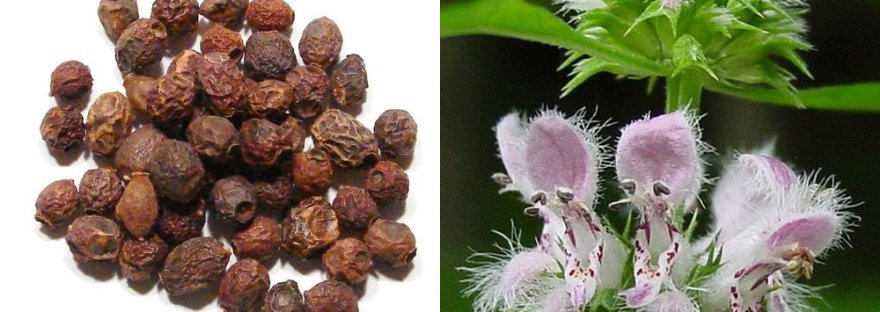
  • Hawthorn Berries, 6 parts. The cornerstone, which Dr. Christopher called “heart food deluxe.” Hawthorn nourishes and strengthens the heart muscle, supports a steady rhythm and is gently calming.
  • Red Clover, 4 parts. A classic blood cleanser. Cleaner blood flows more easily and puts less strain on the heart.
  • Motherwort, 2 parts. Its name, Leonurus cardiaca, means “lion-hearted.” It calms a nervous, fluttering or racing heart.
  • Garlic, 2 parts. Keeps the blood flowing freely and the artery walls clean.
  • Goldenseal Root, 2 parts. Tones the tissues, including the lining of the blood vessels.
  • Ginger Root, 2 parts. Opens and flushes the tiny capillaries so blood can reach every cell.
  • Cayenne, 2 parts. Dr. Christopher’s finest food for the heart and vessels. It doesn’t make the pulse faster; it gives it more power.

“Parts” can be any measure you like, as long as you use the same one for every herb. By weight, that’s 6 ounces of Hawthorn, 4 of Red Clover and 2 ounces each of the other five.

Putting It Together

Put the dry herbs in a glass jar and pour in 80-proof vodka. Once the herbs have settled, you want about 60% herb sediment on the bottom and 40% liquid on top. Shake the jar every day. The traditional timing follows the moon, from the new moon to the full moon, about two weeks. I prefer to let my extracts sit a full three months, which makes them good and strong. Then strain and bottle the liquid.

How Much and How Often

½ to 1 teaspoon, three to five times a day as needed, in hot water with a little honey if you like. There are two ways to use it:

  • When the heart needs attention: in times of stress, or when events show the heart needs extra care.
  • For long-term support: for a chronically weak heart, taken steadily over a long period.

Hawthorn lets the heart relax more completely between beats, so I don’t combine this formula with a drug meant to slow the heart rate, such as a beta blocker. Garlic and Red Clover also thin the blood a little, worth knowing if you take a blood thinner. Chest pain, shortness of breath, fainting or a heart racing out of control need help right away; call 911 first. Dr. Christopher always gave a cup of hot cayenne tea, a teaspoon in a cup of hot water, to someone in a heart attack who was awake and able to swallow. That is something to do while help is on the way, never instead of it.

Beyond the Formula

  • Clean eating: fresh fruits, vegetables, grains, nuts and seeds keep new waste from loading the blood.
  • Plenty of water and clean bowels, so the body can carry waste away.
  • Calcium, since the heart is a muscle and calcium helps regulate its rhythm. See Calcium You Can Actually Absorb.
  • Less caffeine and chocolate, which draw on the body’s calcium and stress the arteries and nerves.
  • Movement and a calm spirit. Letting go of chronic fear and anger takes a real load off the heart.

When blood pressure is the main concern, see Clearing What Drives Blood Pressure Up, and when worn-out adrenals are part of the picture, Rebuilding Tired Adrenals.

This is shared for educational purposes, from my own study and experience. It is not medical advice.
Cleansing & Flushing, Herbal Healing

Essiac: A Four-Herb Cleansing Tea with a Long History

This tea goes back to the 1920s, when the Canadian nurse René Caisse learned a blend of four herbs from a patient, who had it from an Ojibwe medicine man. She spent years refining it and named it “Essiac,” her own last name spelled backward. Newer six- and eight-herb versions have appeared since, but the original four-herb version remains the standard, carried forward through nearly a century of use.

It is one of the best-known blood-cleansing blends in herbalism, a combination of roots and bark that supports the body’s own cleansing through the blood, the lymph and the digestive system. Many members use it as part of a broader healing program, including through a serious illness and alongside other treatments.

What Essiac Contains

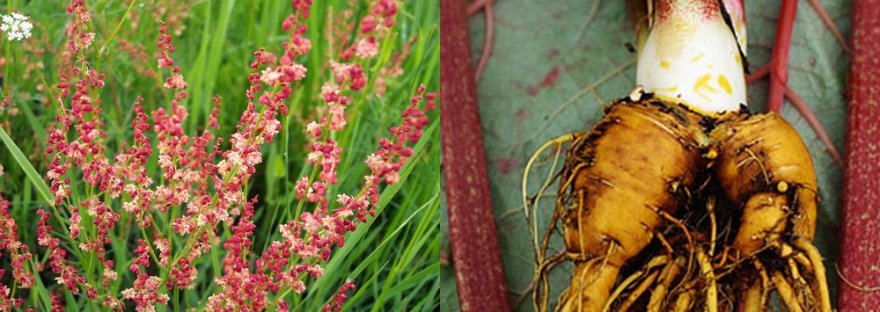
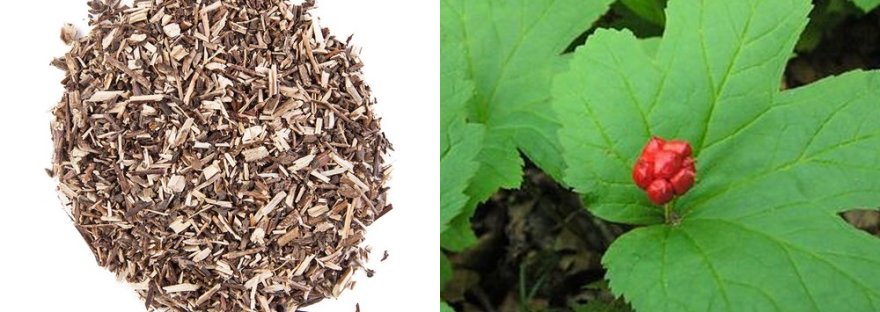
The four herbs work as a team. Burdock Root and Sheep Sorrel do the heavy lifting of cleansing the blood and lymph. Turkish Rhubarb Root supports digestion and elimination, moving the waste out instead of letting it circulate back. Slippery Elm soothes and protects the digestive tract while the other three do their more stimulating work.

  • Burdock Root, 6½ cups (cut). A blood cleanser and digestive aid, and the largest share of the blend.
  • Sheep Sorrel, 1 pound (powdered). The herb most closely tied to the original formula, with a cooling, cleansing action.
  • Slippery Elm Bark, ¼ pound (powdered). Dr. Christopher said it is so nutritious it will sustain life itself. It coats and calms the digestive tract.
  • Turkish Rhubarb Root, 1 ounce (powdered). A small amount to stimulate digestion and keep elimination regular.

This makes 8 quarts of dry mix, enough for 2 gallons of tea; cut everything in half for one gallon. Mix the herbs well and store the dry mix in a glass jar in a dark, dry place.

Brewing the Tea

Use stainless steel or cast iron to cook it, and glass or ceramic to store it. Use 1 ounce of the dry mix for each quart of distilled water.

  • Put the herbs and water in the pot and simmer, covered, over medium heat for 12 to 15 minutes.
  • Take it off the heat and scrape any herbs on the sides back down into the liquid.
  • Let it sit for 12 hours.
  • Bring it back to a simmer.
  • Strain into hot, sterile jars, and keep the tea in the refrigerator.

How Much and How Often

  • For general cleansing and immune support: 2 ounces once a day.
  • For more serious or long-standing conditions: up to 3 ounces, three times a day.

Warm the tea or add it to hot water before drinking. Like any deep cleanse, it does its best work as part of a fuller healing approach: as much whole, organic food as possible, sunshine, and stepping away from the toxic food, household products and habits that may have helped bring on the trouble. Using the tea while keeping the same habits that caused the problem isn’t the way to get the most from it.

This is shared for educational purposes, from my own study and experience. It is not medical advice.
Herbal Healing, Herbs & How to Use Them, Organs & Glands

An Herbal Eyewash for Tired, Irritated Eyes

A friend once dropped by on an afternoon when I was deep in edits for my autobiography, nursing a burning case of pink eye she had caught from her daughter, who had just started school. We went up to my room, where I keep my own bottle of this eyewash, and flushed her eye right there. The discomfort was gone almost immediately, and we spent the next hour working through my manuscript together. She never once put that bottle down. When I offered to send her home with a fresh one, she wouldn’t hear of it; she took the very bottle she’d been holding. I still laugh about it. You could see how much relief she felt just in how tightly she held on.

This seven-herb blend is built around eyebright, the herb it’s named for. It’s a gentle eyewash for everyday eye trouble: pink eye, styes, and the tired, watering, irritated eyes that come from allergies, screen time or a long day.

What a Good Eyewash Formula Contains

A good eyewash formula might contain these seven herbs:

  • Eyebright, 4 parts. The namesake and the most direct eye herb, with a long history in eyewashes. It is astringent, calms inflammation, and is rich in vitamin A, the “eye vitamin.”
  • Goldenseal Root, 4 parts. A cleansing tonic for the mucous membranes, long used to wash the eyes.
  • Rue Flower, 4 parts. An old-world herb with a centuries-old reputation for supporting eyesight and easing eye strain.
  • Mullein Flower, 4 parts. Soft and soothing, calming irritated tissue.
  • Red Raspberry Leaf, 4 parts. A gentle astringent that tones and tightens irritated tissue. It was part of the original eyebright eyewashes generations ago.
  • Fennel Seed, 4 parts. Fennel tea has its own long history as a wash for inflamed eyes.
  • African Bird Pepper, 1 part. A small amount for circulation. It gets the eye’s own tiny blood vessels flushing, and that matters more than its size suggests.

“Parts” can be any measure you like, as long as you use the same one for every herb. By weight, that’s 4 ounces each of the first six herbs and 1 ounce of the pepper.

Putting It Together

Put the dry herbs in a glass jar and pour in 80-proof vodka. Once the herbs have settled, you want about 60% herb sediment on the bottom and 40% liquid on top. Shake the jar every day. The traditional timing follows the moon, from the new moon to the full moon, about two weeks. I prefer to let my extracts sit a full three months, which makes them good and strong. Then strain and bottle the liquid.

How to Flush the Eyes

  • Set up both eyecups at once, and have a cold, wet washcloth ready, wrung out from a bowl of ice water.
  • Put 1 to 3 drops of the extract in each eyecup first, then pour in room-temperature distilled water. Pouring the water on top mixes the drops in.
  • Always flush both eyes, even if only one is bothering you. Fit the cup over the eye, tip your head back and open the eye into the wash. If it wants to shut right away the first time, that’s normal; rest a moment, use the cold cloth if it helps, and try again. Then do the other eye.
  • Expect a minute or two of real sensation, more if the eye is very irritated. That is the circulation flooding into the eye and then receding, carrying waste out with it, which is exactly what you want. When it settles, the eye feels much better, with no more grittiness or soreness.

Alternate which eye you start with each time. The second eye tends to resist opening a little, simply because it noticed what happened to the first.

This is shared for educational purposes, from my own study and experience. It is not medical advice.
Herbal Healing, Herbs & How to Use Them, Skin, Wounds & First Aid

Black Walnut: Nature’s Strongest Antifungal

Fungal conditions like toenail fungus, athlete’s foot and stubborn skin fungus are hard to clear. They take hold in warm, damp places and often shrug off store-bought creams, only to flare back up months later.

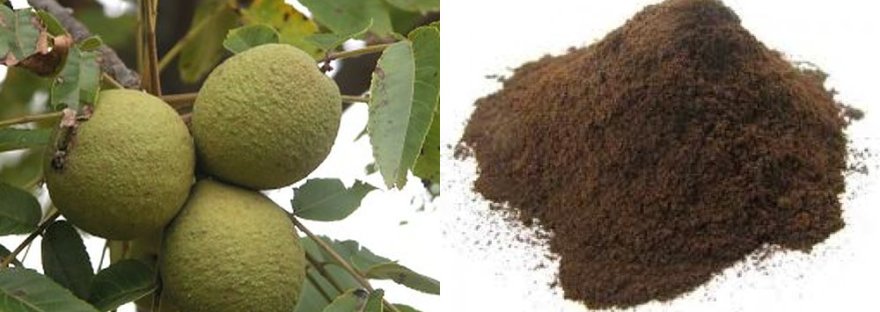
Black Walnut has long been one of the strongest plant antifungals there is, and the green hull, the outer covering of the walnut, is its most potent part. Its inner bark and leaves are astringent, firming and toning irritated skin, and the whole herb has long been used as a mild laxative and to rid the bowel of parasites.

Ringworm is an easy one for me now. Wet a piece of gauze with Black Walnut extract and lay it directly over the ringworm, and it will kill it off. The salve works too, and is my choice for a very small ringworm, but for a larger one I prefer the extract, since it’s a bit stronger.

What Goes Into It

A good Black Walnut extract uses the green hull, leaves and inner bark together. The hull brings the antifungal strength; the leaves and bark bring their astringent, skin-toning action.

Putting It Together

Put the dry herbs in a glass jar and pour in 80-proof vodka. Once the herbs have settled, you want about 60% herb sediment on the bottom and 40% liquid on top. Shake the jar every day. The traditional timing follows the moon, from the new moon to the full moon, about two weeks. I prefer to let my extracts sit a full three months, which makes them good and strong. Then strain and bottle the liquid.

For a salve, fully extract the herbs in extra virgin olive oil in a 150-degree oven for three hours, swap the spent herbs for fresh, and do it three times through. Strain and thicken with beeswax.

How Much and How Often

  • The extract, inside: ½ to 1 teaspoon in warm water, three to five times a day as needed.
  • On the skin: the extract on a wet gauze pad, or the salve, as often as needed.

A fungus took time to take hold, and it takes time to clear. Stay with it even after it looks better, since a fungus that looks gone can still be working its way out. On the skin, the extract will darken lighter skin for a while; it fades on its own within a week or two.

This is shared for educational purposes, from my own study and experience. It is not medical advice.
Digestion & Gut, Herbal Healing

Fast Relief for an Upset Stomach

This is one of the simplest formulas I use, just four ingredients, and one of the ones I reach for most. Between my own family and the members who have come through my office, I’ve watched it handle acid reflux, bloating, nausea and motion sickness often enough that I trust it the way you trust something you’ve used a hundred times.

Used alone, it’s a gentle, effective aid. Paired with the liver and gallbladder formula, it becomes a quick, complete answer to nearly any upset in the upper digestion. I’d rather hand you four ingredients that work than a long list that only sounds impressive.

What a Good Digestive Tonic Contains

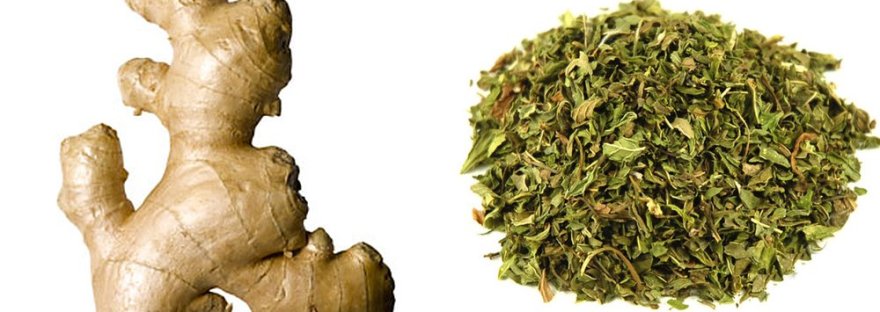
  • Ginger Root, 4 parts. Warming and stimulating to the digestion.
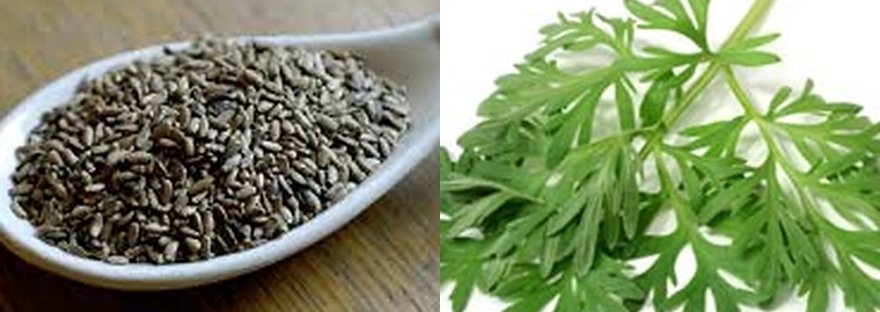
  • Fennel Seed, 4 parts. A soothing, mildly sweet seed long used to ease digestion.
  • Peppermint Leaf, 2 parts. A classic stomach-soother with a bright, cooling taste.
  • Peppermint Essential Oil. Added after straining, for a concentrated, cooling finish.

“Parts” can be any measure you like, as long as you use the same one for every herb. By weight, that’s 4 ounces each of Ginger and Fennel and 2 of Peppermint Leaf.

Putting It Together

Put the dry herbs in a glass jar and pour in 80-proof vodka. Once the herbs have settled, you want about 60% herb sediment on the bottom and 40% liquid on top. Shake the jar every day. The traditional timing follows the moon, from the new moon to the full moon, about two weeks. I prefer to let my extracts sit a full three months, which makes them good and strong. Then strain and bottle the liquid.

Stir in the peppermint oil only after the herbs have been strained: about 2 ounces of peppermint oil per gallon of finished extract, or 1 teaspoon for every 12 ounces.

Situation by Situation

  • Acid reflux: for mild reflux, 1 teaspoon in a glass of water usually brings fast relief. For worse reflux, take 2 teaspoons each of this tonic and the liver formula in a few ounces of water, then chase it with a full glass of water or juice. It brings fast, steady relief and protects the esophagus from irritation.
  • Bloating and gas: 2 teaspoons each of the tonic and the liver formula, then lie on your right side, liver side down, for a few minutes. Relief often comes within 5 minutes as the pressure moves and the gas begins to release.
  • Upset stomach and nausea: 2 teaspoons each of the tonic and the liver formula can settle a stomach within minutes, even when you feel you’re about to be sick. The tonic alone also works well after a meal that isn’t sitting right.
  • Motion sickness: it tastes good enough to sip freely. Stir 1 teaspoon into a 32-ounce water bottle, start the trip with a full glass, and keep sipping through the ride.

A Couple of Related Helps

  • Pain that flares with eating, even with a bite of banana, often points to too little stomach acid rather than too much. A tablespoon of apple cider vinegar in a few ounces of water can bring relief within minutes.
  • Hiccups: Lobelia is the more direct help, since it releases the spasm of the diaphragm itself. The tonic helps when the hiccups come from an irritated or acid stomach.

For more, see Heartburn or Acid Reflux.

This is shared for educational purposes, from my own study and experience. It is not medical advice.
Cleansing & Flushing, Herbal Healing, Organs & Glands

Cleansing the Liver and Gallbladder, and Clearing Parasites

This formula has two jobs. Its bitter herbs stimulate, cleanse and protect the liver and gallbladder, and its strong herbs rid the body of parasites. It is a core part of my liver flushing program, and it rarely works alone; most of the stories I hear back are of it working alongside the digestive tonic for fast relief of an upset upper digestion.

Bitter herbs get the digestion going and encourage the liver to release more bile, and that flow of bile is what cleans both the liver and the gallbladder.

What a Good Liver and Parasite Formula Contains

A good formula for the liver, gallbladder and parasites might contain these ten herbs:

  • Milk Thistle Seed, 8 parts. The main ingredient by far. It coats and protects the liver while supporting its own healing.
  • Oregon Grape Root, 3 parts. A bitter root that supports the liver’s cleansing work.
  • Gentian Root, 2 parts. One of the classic bitter roots, stirring up digestion and the flow of bile.
  • Wormwood, 2 parts. A bitter herb long used for its strong action against parasites.
  • Chaparral, 2 parts. A desert shrub long used as a strong internal cleanser.
  • Black Walnut Hulls, 1 part. A classic parasite herb, alongside Wormwood.
  • Dandelion Root and Leaf, 1 part. A classic bitter liver tonic.
  • Garlic, 1 part. For its own action against parasites and its cleansing.
  • Ginger Root, 1 part, and Fennel Seed, 1 part. Warming, soothing support for the digestion.

“Parts” can be any measure you like, as long as you use the same one for every herb. By weight, that’s 8 ounces of Milk Thistle, 3 of Oregon Grape, 2 each of Gentian, Wormwood and Chaparral, and 1 each of the rest.

Putting It Together

Put the dry herbs in a glass jar and pour in 80-proof vodka. Once the herbs have settled, you want about 60% herb sediment on the bottom and 40% liquid on top. Shake the jar every day. The traditional timing follows the moon, from the new moon to the full moon, about two weeks. I prefer to let my extracts sit a full three months, which makes them good and strong. Then strain and bottle the liquid.

How Much and How Often

  • With a liver flush: ½ teaspoon every 3 hours.
  • For reflux, gas and bloating, or an upset stomach: 2 teaspoons together with 2 teaspoons of the digestive tonic. The digestive tonic post walks through each situation.

For more on the liver, see How to do an ELF, Week 2: Liver Flushing, Clearing a Gallbladder Attack Naturally and Parasite Cleanse.

This is shared for educational purposes, from my own study and experience. It is not medical advice.
Herbal Healing, Herbs & How to Use Them, Organs & Glands

Helping the Body Clear Excess Fluid

When the kidneys are low on vitality and can’t clear fluid on their own, the body finds another way. In herbal tradition the skin is sometimes called “the third kidney,” because sweat can carry off the water and waste the kidneys would normally handle.

I learned this from my own body. When my kidneys were struggling, I’d break into a sudden, heavy sweat while sitting still, until my hair and clothes were soaked through. It sounds alarming, but it was a good sign: the body finding a second way out for fluid it needed to release. Afterward the swelling in my feet and body would go down and I’d feel much better.

A good fluid formula supports the main route, the kidneys, so the body isn’t left leaning so hard on the backup.

What a Good Fluid Formula Contains

A good formula for clearing excess fluid might contain these five herbs:

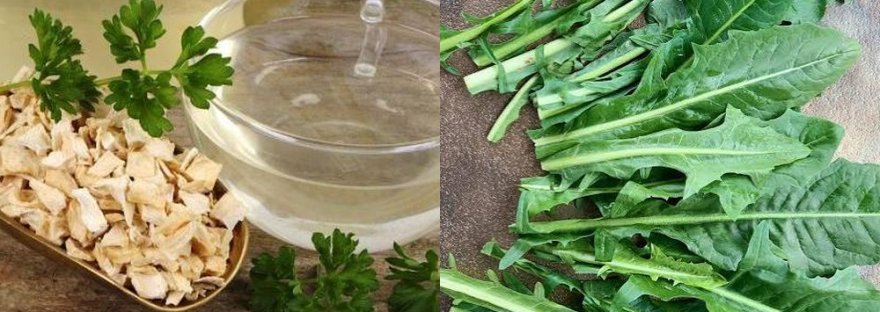
  • Parsley Root, 8 parts. The master diuretic herb, supporting the kidneys in clearing excess fluid.
  • Juniper Berries, 4 parts. Gives the kidneys a boost in their work.
  • Dandelion Leaf, 4 parts. Rich in potassium, added to replace the potassium the body loses along with the fluid.
  • Corn Silk, 2 parts. Soothing to the urinary tract.
  • Uva Ursi, 1 part. Supports a healthy urinary tract.

“Parts” can be any measure you like, as long as you use the same one for every herb. By weight, that’s 8 ounces of Parsley Root, 4 each of Juniper and Dandelion Leaf, 2 of Corn Silk and 1 of Uva Ursi.

Putting It Together

Put the dry herbs in a glass jar and pour in 80-proof vodka. Once the herbs have settled, you want about 60% herb sediment on the bottom and 40% liquid on top. Shake the jar every day. The traditional timing follows the moon, from the new moon to the full moon, about two weeks. I prefer to let my extracts sit a full three months, which makes them good and strong. Then strain and bottle the liquid.

How Much and How Often

  • 2 to 4 droppersful (½ to 1 teaspoon) three times a day.
  • For a more serious case, lay hot fomentations of Parsley Root tea directly over the swollen area as well.

The urinary tract can use the extra care. Tea, coffee, soft drinks, hard water and alcohol all irritate it, so go easy on them while you’re working on fluid balance. For more, see Edema aka Dropsy and, for lymph swelling, Understanding Lymphedema.

This is shared for educational purposes, from my own study and experience. It is not medical advice.
Digestion & Gut, Herbal Healing, Herbs & How to Use Them

A Fiber Blend That Heals While It Works

Most fiber supplements do one job: add bulk and keep things moving. A good fiber blend does that too, but it can do much more for a digestive tract that has been worn down or damaged. Built with soothing, slippery herbs alongside the fiber, it coats and calms the tissue as it moves through, healing the stomach and the intestines together.

This past year, this blend was one of the aids that helped restore my digestive tract while I was dealing with Bladder Pain Syndrome, with aloe vera juice as a good companion. There is so much healing in it, not just bulk. I wrote about that experience in Bladder Pain Syndrome (BPS).

What a Good Fiber Blend Contains

A good healing fiber blend might contain these five powders:

  • Psyllium Husk Powder, 6 parts, and Psyllium Seed Powder, 4 parts. The foundation. Both swell and gel in water, adding soft bulk and holding moisture as they move through, with no harsh stimulation.
  • Slippery Elm Powder, 3 parts. A rich, slippery bark that coats and calms irritated tissue all along the digestive tract and eases the passage of the fiber.
  • Marshmallow Root Powder, 1 part. Another deeply soothing herb, close to Slippery Elm in action, that calms and heals inflamed tissue.
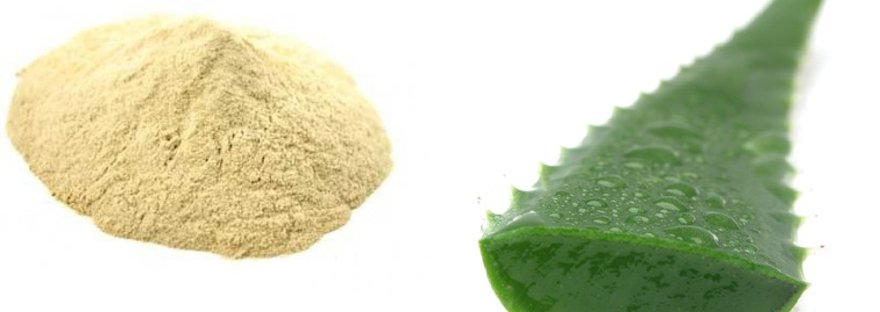
  • Aloe Vera Powder, 1 part. A healing plant with a long history of digestive support.

“Parts” can be any measure you like, as long as you use the same one for every herb. By weight, that’s 6 ounces of Psyllium Husk, 4 of Psyllium Seed, 3 of Slippery Elm and 1 each of Marshmallow and Aloe.

Putting It Together

Simply mix the powders together well and keep them in a tightly closed jar.

How Much and How Often

1 rounded teaspoon, stirred into juice or water, once or more a day depending on your need. Drink it right away, before it thickens.

This is shared for educational purposes, from my own study and experience. It is not medical advice.
Cleansing & Flushing, Herbal Healing, Herbs & How to Use Them

The Cleansing Tea I Drink Every Day

Of everything I use, this tea might be what I drink most faithfully. It’s a cleansing tea, fifteen herbs that support the blood, the liver and the kidneys, but it genuinely tastes good, hot or cold. I don’t treat it like medicine I have to choke down. It’s simply my daily beverage of choice, and it has become that for many of our members too.

I think of the herbs I use in three groups. The strongest are the detoxing herbs. Next come the nutritional formulas that target one system. The gentlest are what I call Herbs for Life: food-type herbs taken every day as a habit, not because something is wrong. This tea belongs with those, the same way I take my apple cider vinegar, maple syrup and Cayenne every day.

What a Good Daily Cleansing Tea Contains

A good everyday cleansing tea might contain these fifteen herbs:

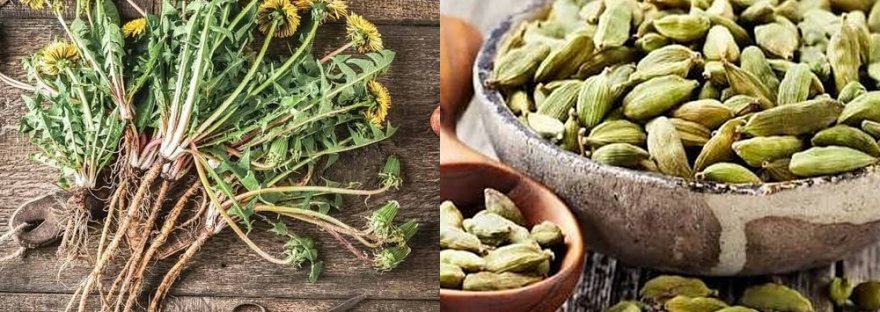
  • Dandelion Root, 2 parts. A classic bitter root for the liver and gentle daily cleansing.
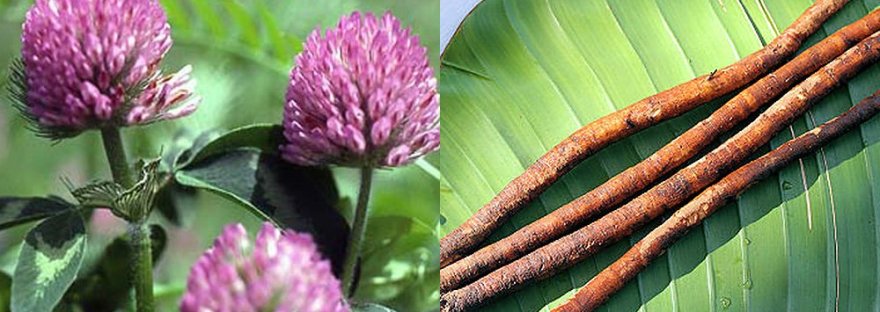
  • Burdock Root and Pau D’Arco Bark, 1 part each. Blood and internal cleansers.
  • Juniper Berries, Uva Ursi Leaf, Horsetail and Parsley Root, 1 part each. Support for the kidneys and urinary tract.
  • Ginger Root, Cinnamon Bark, Clove Bud, Cardamom Seed, Fennel Seed and Black Peppercorn, 1 part each. Warming spices that aid digestion and make it a delicious tea. Black pepper also helps the body make better use of the other herbs.
  • Licorice Root and Orange Peel, 1 part each. Natural sweetness and a bright citrus note.

“Parts” can be any measure you like, as long as you use the same one for every herb. By weight, that’s 2 ounces of Dandelion Root and 1 ounce each of the other fourteen.

Brewing the Tea

  • The overnight way: put 1¼ cups of the dry tea in a pot with a gallon of cold water and let it soak overnight. In the morning, heat it just to boiling, take it off the heat and let it steep at least 15 minutes. Strain, and pour over ice or drink it hot.
  • My coffee-maker shortcut: grind the dry herbs to a fine powder and keep the powder in the freezer. About 2 tablespoons brews a full pot in a drip coffee maker; use the strongest setting if yours has one. In a reusable single-serve pod, fill it only about half full, since the herbs swell. I run the same herbs through twice, and the two cups over ice make a 2-quart pitcher.

How Much and How Often

Drink it freely through the day. Most of the members who have made it a habit keep a pitcher in the fridge.

This is shared for educational purposes, from my own study and experience. It is not medical advice.

Cleansing & Flushing, Herbal Healing, Herbs & How to Use Them

Eleven Herbs for a Deep Blood Cleanse

When the blood carries too heavy a load of toxins and waste, it shows up all through the body: in the skin, in the joints, and in that overall run-down, unwell feeling.

A good blood-cleansing formula brings together a whole team of alterative herbs, the herbs that help the body clean its own blood. Each brings its own strength, from cleansing to circulation to gentle elimination, and together they clear the buildup, keep the bowels moving it out, and feed the organs that do the clearing.

This is a formula I reach for during a cleanse, and as a second blood and liver cleanser for two groups in particular: those who are allergic to nuts, and those dealing with an active skin condition. Both benefit from extra help clearing the blood.

What a Good Blood-Cleansing Formula Contains

A good blood-cleansing formula might contain these eleven herbs:

  • Red Clover Blossoms, 2 parts. The lead herb, a classic blood purifier and the traditional base of blood-cleansing blends.
  • Chaparral, 1 part. A Southwestern desert herb long counted among the strongest blood purifiers there are.
  • Burdock Root, 1 part. One of the best-known blood purifiers and skin-clearing herbs.
  • Sarsaparilla, 1 part. A blood purifier and tonic, rich in minerals.
  • Oregon Grape Root, 1 part. A liver and blood cleanser, similar in action to Goldenseal.
  • Stillingia Root, 1 part. A Southern alterative long used for the skin and the blood.
  • Poke Root, 1 part. A cleansing herb for the lymph and the blood.
  • Cascara Sagrada, 1 part, and Buckthorn Bark, 1 part. Bowel tonics that keep elimination moving, so the waste being cleared actually leaves the body.
  • Prickly Ash Bark, 1 part. A circulation herb that carries the formula through the bloodstream.
  • Licorice Root, 1 part. Soothing and gentle alongside the stronger cleansing herbs.

“Parts” can be any measure you like, as long as you use the same one for every herb. By weight, that’s 2 ounces of Red Clover and 1 ounce each of the other ten.

Putting It Together

Put the dry herbs in a glass jar and pour in 80-proof vodka. Once the herbs have settled, you want about 60% herb sediment on the bottom and 40% liquid on top. Shake the jar every day. The traditional timing follows the moon, from the new moon to the full moon, about two weeks. I prefer to let my extracts sit a full three months, which makes them good and strong. Then strain and bottle the liquid.

How Much and How Often

  • 2 droppersful (about 70 drops) four to six times a day, for a week. This is the amount I use during a 5-day cleanse.
  • Mix it into a few ounces of grape juice to make it easier to take.
  • Drink 64 to 128 ounces of liquid a day while you’re using it, to carry the waste out.

For the strongest cleanse, used in our 5-day program and for the most serious cases, see A Strong Formula for Cleansing the Blood and Lymph.

This is shared for educational purposes, from my own study and experience. It is not medical advice.