
1 Corinthians, Bible Studies, Spiritual Healing

Satisfied at Home

A study of 1 Corinthians 11:32-34

A log cabin in a spring meadow, seen from the edge of a lake

Nevertheless, when we are judged in this way by the Lord, we are being disciplined so that we will not be finally condemned with the world. So then, my brothers and sisters, when you gather to eat, you should all eat together. Anyone who is hungry should eat something at home, so that when you meet together it may not result in judgment.
— 1 Corinthians 11:32-34

Paul closes this chapter the way a good parent closes an evening: not with a lecture, but with a few plain, practical words — wait for each other, don’t show up hungry, I’ll say the rest in person.

Healed, Not Condemned

It would be easy to read verse 32 as the Lord standing over us with a ledger, ready to mark us down. But that is not what’s happening. “When we are judged in this way by the Lord, we are being disciplined so that we will not be finally condemned with the world.” The Father is not judging us to condemn us — He is healing us with His knowledge. He never needs to punish His children for the damage sin already does to us; the consequences are simply the outcome of the choices we’ve made. What He does is step in, in love, before we make a shipwreck of our lives.

And He does it in the little things. The small, inconvenient duty we pass by because we don’t have time for it — that duty would have sent waves out into the lives around us. We can become so turned inward, so focused on our own needs, that we miss what’s right in front of us. It’s all the littles that make up the fragrance of a life. So when you feel the Lord’s hand on your life next, in whatever form that takes, stop and pay attention — He’s handing you a chance to grow, not a sentence to serve.

Come Already Fed

That’s the backdrop for verses 33 and 34, where Paul starts sounding almost domestic: wait for one another; if you’re hungry, eat at home first. On the surface, it’s just table manners. But underneath it is the same principle as verse 32 — the state of our own heart determines what we’re able to give to the people around us.

It’s hard to think of others first if you show up hungry. If you know that about yourself — that hunger (or thirst, or exhaustion, or any unmet need) makes you grouchy and inward-focused — then the loving thing, the mature thing, is to take care of that before you walk into the room. Arrive satisfied, not needy, and you’re free to actually notice the people you’re with. You’re free to be a blessing instead of a drain. The fellowship of believers is supposed to be a place to rejoice together, to support one another with wisdom and love — not a place where everyone shows up starving and starts competing for the plate.

A City of Strangers

And honestly, that Paul had to spell this out in such detail tells us something about where the Corinthian church actually was. These were new believers, an infant church, and Paul treats them exactly like a wise parent treats a young child: with clear, loving boundaries, not a flood of information they aren’t ready to carry yet. “The rest I will settle when I come.” He doesn’t overload them. He gives them what they can use today and holds the rest for later, in person, face to face — because some things can only really be worked out that way, when you can look into someone’s eyes and see whether what you’re saying is landing or missing the mark.

It helps to remember what kind of city these people came out of. Corinth had been leveled by Rome in 146 BC and rebuilt a century later as a Roman colony, resettled largely with freedmen, veterans, and fortune-seekers from across the empire, sitting on a narrow isthmus between two busy harbors — a city built for passing through, not for staying. People came and went constantly; nothing held them to one another long enough to build the kind of trust that makes investing in someone else feel safe. That’s the soil this church grew out of, and it’s no wonder they never learned to wait for each other, or notice who was going without.

What Maturity Really Is

That’s it, really, for all three verses: a Father who disciplines to heal rather than to condemn, and an apostle who shepherds the same way — patiently, in person, one step at a time, teaching a city of strangers how to become family. That’s really what maturity is: the ability to invest in others, because you already know the Lord has invested in you and your life is safe in His hands. Some of us are still learning the ABCs of that kind of love; others, who grew up in strong, loving families, are further up the ladder. Both are welcome at the table. The invitation is just the same for everyone: come already fed, so you have something besides your own need to bring.

A white orchid in soft light
1 Corinthians, Bible Studies, Spiritual Healing

A Rope of Sand

Reflections on 1 Corinthians 11:31

Red calla lily petals beaded with rain among speckled green leaves
Drinking in what it cannot make for itself.

“But if we properly saw ourselves, we would not bring down upon us this judgment.” (1 Corinthians 11:31, Williams)

“If we would admit the reality of our own terminal condition and accept God’s Remedy, we would not be subjected to diagnostic scrutiny.” (The Remedy)

Several translations read this verse as a warning: examine yourself, or you will be judged and punished. That is the wrong lens, the lens of imposed law, as if God were a judge standing by, waiting for us to fail so He can lay consequences and punishments on us. The truth is, we are doing it to ourselves. God is not punishing us; He allows us the outcome of our choices, and He is working to heal us. The question Paul puts to us is whether we will see ourselves honestly before those outcomes do the showing for us.

Know Thyself

Be open and honest with your own heart. This is one of the most difficult undertakings for a sinful human. We create so many justifications for our poor choices, excusing ourselves when no excuse will help. The damage is done. The fact that we would do such an act or make such a poor choice speaks volumes about the condition of our heart and mind. The choice was made in the heart long before the body performed the action.

Admit it. Own your faults. This is part one of the healing program for your heart and mind. Stop making excuses and take yourself, all the choices that have made you who you are today, to the Lord for His healing Remedy in your life.

A Rope of Sand

That is part two, and it is the part we cannot do ourselves. You cannot fix this brokenness in yourself; this is what the Lord is longing to do for you: to create a clean heart in you and restore a right spirit. This is the healing we need. Not merely to stop doing the hurtful things that are destroying us, but to stop wanting to do them. Our will without the heart change is as weak as a rope of sand. The slightest test and it crumbles.

The healing that comes brings knowledge, and knowledge is power. It shows us what our choices are actually doing to our hearts, our minds, and our physical bodies. Poor habits and the unrefined life are not things we can carry with us as we grow up into the image of Christ.

They Had Been With Jesus

We are becoming more. The very air of our presence becomes smooth and fragrant with loving care and the courtesies we show to everyone without thinking. It is who we are. A current of sweetness flows from deep within us outward to bless each one we deal with in our day.

This refinement of character will not happen without the inworking of the life of Christ in us. After Christ returned to heaven, people recognized His disciples because they could see in their lives that they had been with Jesus (Acts 4:13). Being with Jesus is not just reading about Him; it is knowing Him. We can know Him like this even today. Where before we were self-protecting, with eyes only for our own interest, the life of Christ in us is creating a new, healed, refined personality.

The knowledge that comes from above lifts us above the common concerns of everyday life. We know we can leave those matters with our loving Father, and we are free to focus on the care and support of those the Lord has entrusted to our keeping. This is where knowledge is power: understanding the damage our choices do to our very self keeps us from falling back into the old, worthless habits we once used to protect ourselves or to feel good about ourselves at the expense of others.

So look honestly at yourself this morning, not to condemn, but to be healed. Wrap your heart and mind around the truth of who you are and what you can become as Christ’s healing Love fills your life.

Sunrise glowing pink and gold above a dark treeline
1 Corinthians, Bible Studies, Spiritual Healing

What Will Our More Be?

Reflections on 1 Corinthians 11:30

Pink evening clouds framed by a leafy tree on one side and a bare tree on the other
What will our more be?

“It is the careless participation which is the reason for the many feeble and sickly Christians in your church, and the explanation of the fact that many of you are spiritually asleep.” (1 Corinthians 11:30, Phillips)

“That is why so many of you remain weak in character and sick of heart, worn down by worry and fear, some even falling asleep in death.” (The Remedy)

Is Paul speaking here of physical weakness, poor health and death, or of spiritual weakness, poor health and spiritual death? Most of the translations I use read this verse as being about the body: weak, sick, fallen asleep. Only two name the spiritual side. Phillips speaks of Christians who are spiritually asleep. The Remedy speaks of people weak in character and sick of heart, worn down by worry and fear.

Read the first way, the verse still tells the truth. If you fail to open your heart to the Lord for healing, the result will be poor health and eventual death. There is no real peace and rest for the body and soul away from the Lord. The mind is constantly needing to protect self; it becomes self-focused. That is not a healthy way to live. You will wear yourself out at an early age.

The Body Follows the Heart

But the other meaning, spiritual unhealth and death, is true also. If you refuse to allow the Lord to heal and transform your life, if you are not daily growing in the graces of Christlikeness, the cost will be a turning away from truth completely. You are choosing something else. Your life is focused elsewhere, and the body follows where the heart and mind lead.

No one remains in a stale, stagnant state. Change is always happening. We are always in a state of becoming more. The question is, what is our more going to be? More Christlike, or more self-focused, self-absorbed?

Our heart and mind will follow the direction of our attention. Beholding the glory of the Lord, we are changed into the same image (2 Corinthians 3:18). So what are we investing our time and energy into?

When the Things of God Grow Dull

Spiritual death occurs when we have lost all interest in spiritual things, when we are no longer affected by the drawing of the Spirit of God. We have checked out religion, gone down that road, and now have found something more interesting and fulfilling to fill our time with. The things of God that once excited us have become boring, or even distasteful. This is spiritual death: to be alive in this world with no interest or concern for anything beyond this life.

I believe this is what Paul is referring to. There is no real point in stating the obvious, that people get sick and die; poor physical health has any number of causes. Paul is telling us why: the body follows where the heart and mind lead. He is describing the natural consequences in a life that refuses to surrender to the Lord after coming into the body of believers. That life does not stand still. It will either keep climbing the ladder of Christian graces (2 Peter 1:5–7), or lose interest and drift back to the world.

Asleep, Not Beyond Waking

The moon shining through dark trees at night
The light is still shining.

I am speaking of someone who has truly tasted of the Love and care of God and then chooses to walk away, not someone who poked their head in the door, looked around for a little while, and then drifted away without a full understanding of what they were leaving. It is a very bad place to find yourself, especially when you no longer care that you are there. Walk that road all the way to its end, and the condition is truly terminal. Only God can see when a heart has closed for good, and that judgment is His, not ours. But notice the word Paul chose: asleep. A sleeper can still be wakened. “Awake thou that sleepest, and arise from the dead, and Christ shall give thee light” (Ephesians 5:14). The same Spirit whose drawing we stopped feeling has not stopped drawing.

So the question comes back to each of us this morning, not to the one who walked away: What is our more going to be?

The sun shining faintly through gray clouds behind bare winter branches
1 Corinthians, Bible Studies, Spiritual Healing

Seeing That He Is There

Reflections on 1 Corinthians 11:29

Looking up through an opening in the trees to blue sky and white clouds
Look up. He is there.

“He that eats and drinks carelessly is eating and drinking a condemnation of himself, for he is blind to the presence of the Body.” (1 Corinthians 11:29, Phillips)

“For any who partake of the Lord’s table without a heart open to internalize Christ—which we symbolize by eating and drinking the bread and wine—diagnose themselves as terminal.” (The Remedy)

For many of us, this verse once hung over the communion table like a threat: take the bread the wrong way, and God will condemn you. But listen to where the translators point. Without discerning the body. Not recognizing the Lord’s body for what it is. Without seeing that the body is there. Blind to the presence. The danger is not in the bread. It is in what we fail to see.

There is no magic in the bread made and offered for this service, or in the wine, the grape juice. This must be a natural law: we bring the result on ourselves by what we take in or refuse, not by anything the bread or cup can do to us. The supper is a symbol, so to understand it we have to put the symbols into real life and real time and see what they look like. The whole service is about the intent of the heart. Christ is not a petty personality just waiting for a soul who comes unprepared so He can condemn it. No, it is we who condemn ourselves, by our refusal to open the heart to Christ.

A refusal to trust in Christ is not something we do in a moment; that refusal appears in small choices we make throughout the day and throughout our life. We choose not to spend time with Him; we choose to do the easy thing, not to put ourselves out for someone else’s sake. How can we internalize the mind of Christ if we do not know who He is? All those little choices we make add up to who we are, and when it is all added up, we have lost interest in Christ and in spiritual things; we no longer feel the need, or the want, for a Savior. How can we trust, or even know, someone we never spend time with? It is our daily walk with Christ that prepares us to partake of His Supper.

What It Means to Partake

The bread represents His body; the wine, His blood, and the blood is the life (Leviticus 17:11). So when we eat and drink, we are saying we take His life into ours. How do we partake of Christ? By taking into our hearts and minds the truth of who He is, and allowing the mind of Christ to be in us.

This is a daily work of growing. Choice by choice, we decide to be a blessing to others. We notice the small things that can bless someone else, and we do them naturally, without really thinking about it. We do it because that is who we are, not something we put on so others will see us and approve. To partake of Christ, His body and His life, is to live His life, naturally.

How Can We Eat Unworthily?

So how is it that someone partakes of the life of Christ while failing to see who Christ is, failing to acknowledge Christ as the Remedy He became for all of humanity? This is what Paul means by not discerning the body: eating at His table while blind to who is really there. How can you actually eat the bread and drink the cup unworthily?

Because you do not know Christ. The god you worship is not Christ. You believe the lies told about Him, and a lie believed will destroy the one who believes it.

The one who believes that God demanded Christ’s death on the cross so He could satisfy His need for vengeance fails to understand even the first thing about God, Christ and the Holy Spirit. God the Father did not need His Son to convince Him to love and forgive us (John 16:26–27). He was in Christ, drawing this lost, sin-sick world back to Himself (2 Corinthians 5:19). When you believe the lie that God must be appeased by the blood of His own Son, you are believing a lie that hides God from you.

The Door Only We Can Close

You cannot hide from Him. He knows your heart; your mind is an open book to Him. By trying to hide your faults from God, you refuse to allow Him access to your heart and mind, so He can heal the sickness you were born with.

Without the life, the true life, of Christ taken into your heart and mind, you will not be healed. Your heart and mind will not be able to appreciate, or even want, the spiritual things: the things that bring life, healing and joy, the full and complete life, the ability to grow up into a mature citizen of the family of God.

Believing any lie will cause you to close the door on your own prison cell, locking yourself, mind, heart and soul, away from the only One who has the ability to make you free and whole, able to live for eternity in the very presence of God.

The condemnation we bring on ourselves by taking in lies instead of truth is a choice we make when we close our hearts and minds to truth. Come to His table with your eyes open. He is there.

A red gerbera daisy opening its petals to the light
1 Corinthians, Bible Studies, Spiritual Healing

The Watermelon Seed

Reflections on 1 Corinthians 11:28

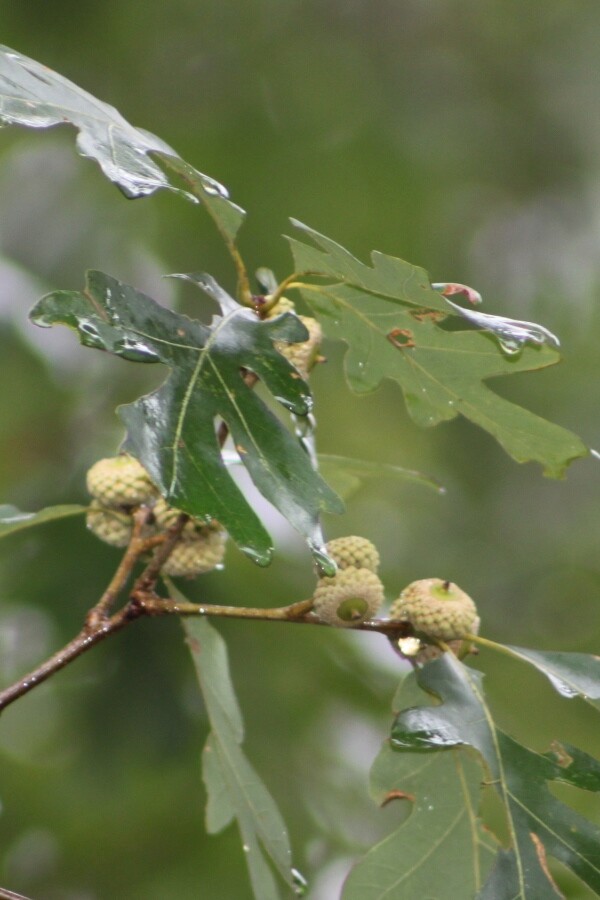
Green acorns on an oak branch, wet with rain
Small seeds, full of growth.

“Each person should take a moment and reflect upon the motives of their heart before eating the bread or drinking from the cup.” (1 Corinthians 11:28, The Remedy)

“Look into your own hearts before you eat the bread and drink the cup.” (NCV)

Many of us grew up hearing this verse as a warning: examine yourself, or else. But listen to how the translators put it. Look into your own heart. Reflect on your motives. Look carefully at yourself. The Lord isn’t asking us to look inside so we can be found wanting. He asks us to look honestly so He can help us see our true motives, and then heal what we find.

Know yourself. Embrace all parts of who you are. It is not a sin to want to be appreciated and understood. It is natural to want to be recognized for who we are and for the gifts we freely give to the people in our sphere of influence. The trouble comes when pride demands recognition before the gift is given; then pride, not love, has become the reason for our good works.

The Lord knows every part of you and loves you deeply. His only wish is that you be happy and reach the highest potential possible. This He wants to help you with. He will heal the damage sin has done in your heart and mind.

What Does It Mean to Be Free?

Jesus gave us the best advice ever given to humanity, and it has never failed to be valuable: “the truth will set you free” (John 8:32). The problem is, do we understand what it means to be free? Those are just words on a page until we attach a meaning to them. How does truth set us free, and what are we being set free from?

When we believe a lie, any lie on any subject, we are limited to the fiction that lie places over our life. Reality will not change because you honestly believe, in the depths of your heart and mind, that something is true when it is not.

Take something as simple as a watermelon seed. When you were a child, an uncle told you, all in jest, that if you swallowed a watermelon seed, a watermelon would grow in your stomach. You believed him. You carefully picked every seed out of every bite so nothing would sprout inside you. Because of that belief, you grew to dislike, even fear, watermelon, and anything else with seeds you might accidentally swallow.

You have long since forgotten what your uncle said. But believing that lie has limited your enjoyment of a great many healthy foods. You watch others eating them and enjoying them, while the lie keeps you chained to a narrow diet, always checking that no seeds get in.

Then one day the truth of digestion is made clear to you. You can honestly examine the reasons behind your aversion, and you are free to enjoy all those delicious foods God gave us for our health.

Believing lies about God works the same way. We misunderstand His leading in our life—that His intent toward us is only Love and healing, not judgment and condemnation. We come to His table picking out seeds that were never going to hurt us, rejecting the very opportunities the Lord is providing for the growth we need.

Prison Doors We Shut on Ourselves

Truth, when it is accepted and understood in our minds and hearts, will unlock prison doors, and most of them are doors we have shut on ourselves. Be a student of truth. When something feels off, or you notice something in your life that keeps you from what is natural, good and life-expanding, look into yourself and discover why. Ask of every choice: why do I do this, or why this way?

Examining yourself is not hunting for things to condemn. Sometimes there is no answer except that you are an individual and that way works for you. We are not cookie-cutter people who all like the same things and do everything the same way. How boring would that be? You are one of a kind, and that is a good thing.

Embrace all parts of yourself. To embrace yourself is to love yourself, even with the flaws and the things that still need to be healed, knowing that Christ is still doing a work in you. It does not mean saying, “I am completely myself, and there is no room for improvement.” It means allowing yourself the journey you are on and continuing to face the truth about yourself as the Lord brings it to you. He doesn’t open all the curtains at one time and let the light shine completely in on us; it would blow us away. He brings it to us one piece at a time, peeling back the layers of the onion, until at some point in time we will stand with Him, and we will know ourselves and be known by Him (1 Corinthians 13:12). We will be healed. The truth will be what we understand and know.

Learn to be comfortable with your choices and the reasons you make them. This is growing up—becoming a mature adult, a mature Christian, a person others can count on: the same steady soul each time they meet you, not up one day and down the next. When others do things a bit differently, we can be the warm, loving soul who says, “This is just the way I do things; there are other ways that work too.”

Coming to His Table

We all come to the Lord as we are. He is not wanting us to be like everyone else. He truly enjoys all His children exactly as they are, so long as they are happy and flourishing. It is when something we have accepted as truth is limiting or hurting us that life stops making sense and the things we do don’t add up.

As you come each day to your time with the Lord, to His table for the spiritual food you need to flourish through another day, allow the truth about your heart to open to you. Be willing to follow where He leads. The journey of understanding will not be too hard for you to bear. The One who loves you most and knows you best is right there with you.

Set yourself free. Let the truth you discover each day settle in your heart and become part of who you are. You will find you are more, and the freedom that comes will open doors you never even knew you would walk through. This life is a journey, and each day is a chance to learn and grow a bit more.

Layered mountain ridges with a flat-topped peak in the distance
1 Corinthians, Bible Studies, Spiritual Healing

Two Hands, One Heart

Reflections on 1 Corinthians 11:27

Gold and red autumn leaves against a blue sky
Every leaf given fully to its season.

“So then whoever eats the bread or drinks the cup of the Lord in an unworthy manner will be guilty of sinning against the body and blood of the Lord.” (1 Corinthians 11:27, NIV)

“Hence anyone who eats the loaf or drinks the cup of the Lord carelessly, will have to answer for a sin against the body and the blood of the Lord.” (Moffatt)

“Therefore whoever eats or drinks of the symbolic bread or cup of our Lord in a manner that misrepresents the Remedy our Lord achieved, fails to partake of the cure Christ has provided, and instead is guilty of promoting a false remedy.” (The Remedy)

What Is Our Presence Saying?

This verse has kept a good many people away from the Lord’s table. “Unworthy” sounds like a bar we have to clear before we dare come forward. But listen to how the translators wrestle with that word. Moffatt says “carelessly.” The Twentieth Century New Testament says “in an irreverent spirit.” The TEV says “in a way that dishonors Him.” And The Remedy opens it wide: eating and drinking in a way that “misrepresents the Remedy our Lord achieved.”

Paul is not asking whether we are worthy. None of us are. He is asking what our presence at the table is saying.

Putting yourself out as a follower of Christ, sitting with the other believers at the ordinances of His body, while in your heart you hold tightly to the selfish, self-promoting habits of the world, misrepresents the healing Truth to everyone you influence. To act a part of the Christian life while your heart is wrapped up in the world is living a lie, and it puts Christ to shame in the eyes of those who are watching.

Two Hands

It will not work to hold the world in one hand and the things of Christ in the other. Neither hand can reach the goal alone, and you end up making a wreck of both. The “things” of Christ, the show put on for the benefit of others, have no power to hold you up, to change your heart, or to ennoble your life. They crumble to sand in your hand, because there is no substance in them.

Even the world will not settle for half a heart. Wealth, popularity, making your mark in this life: those things demand full attention, and even great talent will fail you if you chase them halfheartedly. The world will not accept halfhearted attention any more than the Lord accepts a halfhearted believer. Any lukewarmness will destroy the person who refuses to apply themselves, whatever choice they make. A divided heart leads to failure now and the loss of eternal life in glory.

Life on the Fence

The divided heart at the Lord’s table is the same heart that remains undecided, sitting on the fence all week doing nothing. Many of us sit there, waiting for a better time to commit. To not choose is to choose. While you remain undecided, you have already made a decision: not to surrender your life to Christ, and not to devote your full energies to anything else either. What happens is that life, your life, happens without you. Your talents stay unused, your life stays unlived, and you never become who you could have been.

This is the lukewarm state Christ says makes Him sick to His stomach. He will spit you out. But notice why. It is not that He wants to be rid of you. He cannot heal you without your choice to take part in the healing and your consent to be healed. When we hold back both, His only choice is to let us go and give us what we have chosen. Doing nothing is a choice.

Both Hands, Your Whole Heart

Just using our God-given talents to improve our hearts and minds creates opportunities to choose something better. Sitting on our hands makes us no better than a creature whose only ambition is its next meal, its next distraction, its next nap. The talents we were born with fade when they are left unimproved, and our opportunities for this life and the one to come crumble to dust.

It takes both hands, your whole heart and every talent improved, to find joy and peace now and for eternity. You can have it all now, but the cost is everything you are and all you have, laid out as a gift to the Lord and used to serve and bless others. That is the secret of a truly happy, well-lived life: living to be a blessing to others is the only way to truly be happy.

Door Number Two

Door number one is covered in bells and whistles: wealth, popularity, the pride of life, everything the world promises. But all you could ever hope for or want is rolled up and hidden inside door number two, the one the Lord is pointing you toward. It looks simple from the outside. But open it and step through, and you will find all your dreams have been safely stored, saved just for you.

The table is not a test of worthiness. It is an invitation to come with both hands.

1 Corinthians, Bible Studies, Spiritual Healing

Celebrating the Lord’s Supper Daily

Reflections on 1 Corinthians 11:26

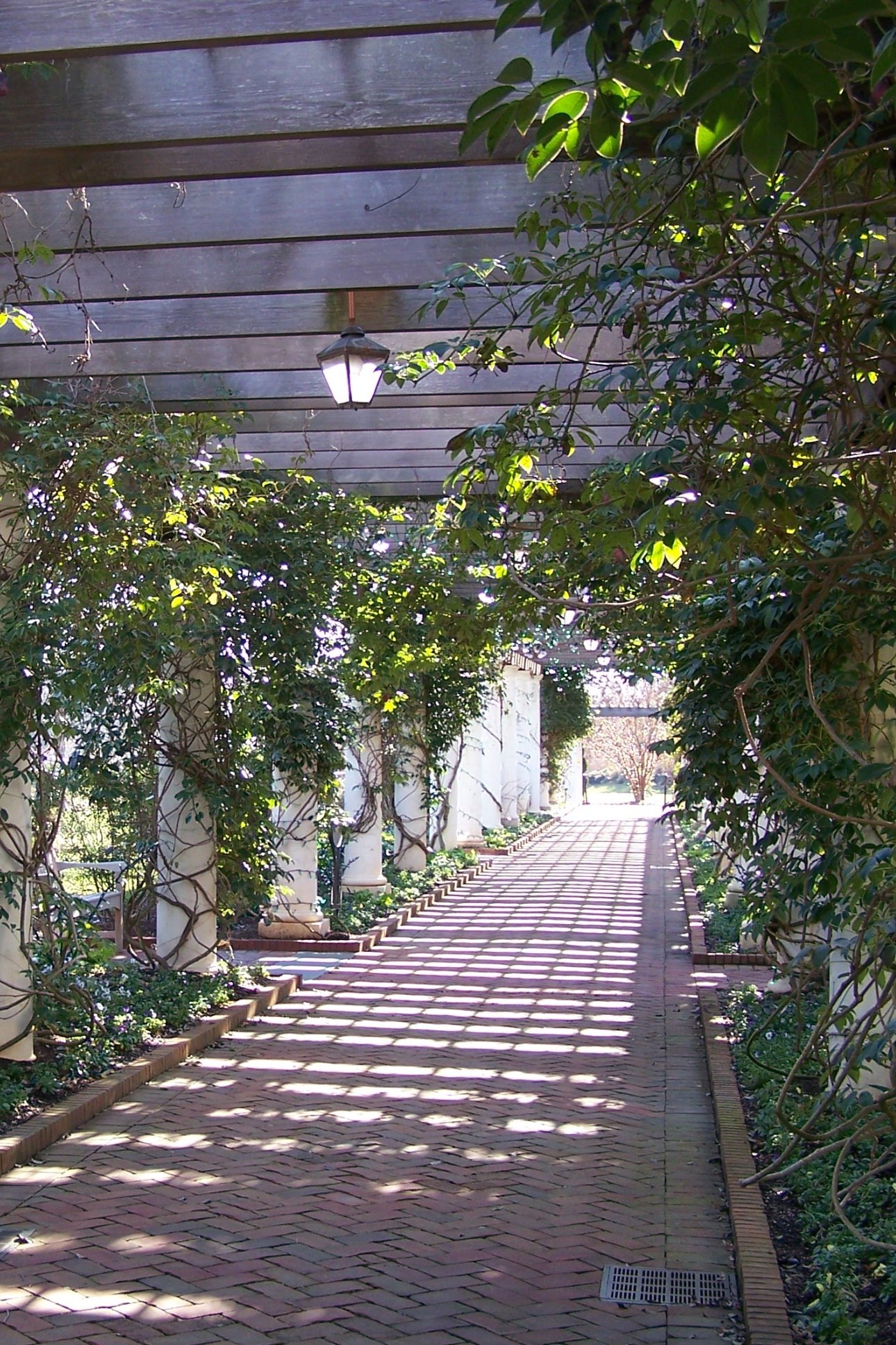
A vine-covered pergola walkway with dappled sunlight on the brick path
Walking with Him daily, resting in His shade.

“For whenever you eat this bread and drink this cup, you proclaim the Lord’s death until he comes.” (1 Corinthians 11:26, NIV)

“For every time you eat this bread and drink this cup you are retelling the message of the Lord’s death, that he has died for you. Do this until he comes again.” (The Living Bible)

“So whenever you eat this broken bread and drink of this symbolic cup, you proclaim the Remedy to sin the Lord’s death procured—until he comes again.” (The Remedy)

More Than a Ceremony

The Lord’s Supper is a cherished, time-honored celebration in the Christian churches. Often it is a well-thought-out, warm time of fellowship. But that alone is not the full meaning of the Supper. Breaking the bread and drinking the cup are symbols of something more.

The bread represents Christ’s body, broken for the salvation of humanity. Yet we are not only to remember His body; we are to take it in. To ingest His body is to take in His Spirit, His character, His very life poured out for us—including the way He lived in that body.

How He Lived in His Body

He went about doing good (Acts 10:38). He took every opportunity to bless others with all the strength His human body possessed. He was human in every way and did not draw on His divinity to sustain Himself. There were times He was so utterly exhausted that He slept right through a raging storm (Mark 4:37–38).

He needed rest to recover from His day of service, just as we do. Taking in His body means taking in His wisdom about the body too: He rested so He could keep giving. A period of recovery is required before we can spend more energy. No human body can pour itself out continuously without rest to rebuild its strength. This is true of our physical, mental and emotional work alike.

So we wisely care for our body temples, that we may keep celebrating the Lord’s Supper daily, proclaiming and remembering His life until He returns.

Hardware, Software and Power

We are made of three parts, something like a computer. The body is the hardware. The mind is the software. The spirit is the electricity, the animating power that comes from God alone. None of them works without the others.

The hardware does only what the software directs. We choose what we do with our hands, and whether our feet go to care for others. Every action begins in the mind. We have fully committed to an action in our minds before our bodies take a single outward step toward it.

And the power runs whatever program we have installed. Christ is so gracious and good that He lets us use His gifts, His gift of life and energy, even on the devil’s side if that is our choice. That is true freedom.

Guard Your Mind Food

A tiger swallowtail with frayed, worn wings feeding on lantana
Has life left you a little frayed around the edges? Take some time to recharge your life.

We may not be able to live out all that our minds and hearts desire, but the Lord reads our hearts. It is by the intents of the heart that we become who we are. We can hide our hearts from the world, and to some degree even from ourselves, but “the Lord knows those who are His” (2 Timothy 2:19).

Life is lived out in our minds first; the body will follow where the mind is allowed to lead. So guard well the door of your heart, and be careful of the “mind food” you take in each day. What we behold will change us (2 Corinthians 3:18). The things you allow to fill your mind become part of who you are.

You are either eating at the Lord’s table or supping with demons (1 Corinthians 10:21); there is no middle ground. The world is choosing sides, and the constant barrage of information can overload even the strongest mind. Be as discerning in what you consume mentally as you are in guarding your physical food.

Proclaiming His Death by Living His Life

We proclaim His death by living the life His death made possible. Your life is now the life of Christ. You proclaim the story of His life, in action as well as speech, in your daily business.

As you live out His story in every part of your life, you are linked more closely to the One you represent. More of His Love and Truth, His Grace, the Fires of Truth and Love, will flow through you—first healing your own life, then going out as a blessing of light and Glory to the world around you. As you pass through your day, you will leave a wake of calm, warmth and a lovely freshness for those you meet to bask in.

Be the one God can use to fill this world with His light. We are the light on a hill (Matthew 5:14), the army of the Lord still in training but soon to be revealed. Secure your post in that army now by choosing to sit at the Lord’s Supper daily. Then go out and remember Him to everyone you meet—not only with your words, but with your life: your selfless acts of kindness, the constancy of your character.

You are Christ to them. You have the mind of Christ growing in you, His heart of Love beating in your chest.

1 Corinthians, Bible Studies, Spiritual Healing

The Gentle Nudge

Reflections on 1 Corinthians 3:7

Soft sunlight shining through autumn leaves
The softer call, the gentle nudge.

“So neither the one who plants nor the one who waters is anything, but only God, who makes things grow.” (1 Corinthians 3:7, NIV)

Knox says it boldly: “God is everything, since it is he who gives the increase.” The Remedy, by Dr. Tim Jennings of Come and Reason Ministries, calls Him “the only source of life, the only source of healing.”

We can plant and water all those the Lord brings across our path. As our attention is drawn toward another soul, we stop, look and listen to see where best to plant our seed. Our heart goes out to them, knowing life could truly be a joy if they knew what we know. So we plant our seeds of love and water them with each opportunity.

Still, the increase is up to the one who carries our seeds of love: to accept them and allow the truth to take hold in their heart, truth that has not yet been spoken, only lived out in front of them. God is the one to press the point to their hearts in the quiet moments when they will be able to hear His voice.

We may never know the true outcome of our efforts in this life, but the reward will be huge when they walk up to us in glory and say, “Thank you! Your example changed my life.” The Lord is drawing each soul by the strongest powers heaven has to offer. He misses nothing that can be used to reach a heart. The one in need of His healing care has no idea of the efforts put out by the hearts of love he passes each day, the longing for his happiness.

Our only job is to choose. Our choice releases the power of God into our lives. We can bless others with our example, our kindnesses and our witness, but the results of all we do are between them and God. The Father will provide all the power, Life and Love, the fires of Truth and Love, that a person is able to accept.

We have to agree with the transformation, the healing, before it can happen. It has to be our desire, our want, from deep within us. It takes a crisis in our life to bring us to our knees in need and want.

As we grow and are healed, our connection with the Father grows stronger. We are able to allow more of the fires of Truth and Love to pass through us, and more of the badness is consumed, burned out of our hearts and minds. Once the healing has begun, the crisis needed to change our minds need not be so strong. We are moved by the softer call, the more gentle nudge from the Spirit.

Learn to listen well to the Spirit’s promptings, and to apply the will in the direction the Spirit is leading. This will save you from the harder trial, the crisis that will come, must come, for you to grow beyond where you are now and to continue to heal from the sinful condition we were all born into.

Save yourself the grief by being present with the Father to hear His loving, gentle promptings.

We do our best, and the Father increases our efforts a hundredfold.

1 Corinthians, Bible Studies, Spiritual Healing

Wait for the Question

Reflections on 1 Corinthians 3:6

Pink mums spilling over a garden bed onto a brick path
Someone planted, someone watered; God gave the increase.

“I planted the seed, Apollos watered it, but God has been making it grow.” (1 Corinthians 3:6, NIV)

The Living Bible puts it plainly: “it was God, not we, who made the garden grow in your hearts.” The Remedy, by Dr. Tim Jennings of Come and Reason Ministries, says Paul planted the truth about God, Apollos watered it, and God causes it to grow and bring forth the fruit of a Christlike character. “It is God who heals; it is God who restores.”

We are each here as servants of the Lord, those who have experienced His healing power in our lives, to plant the seeds of truth in the hearts and minds of those we come across each day. Our next encounter with them is a time to water the seed, a chance for them to see the consistency of life and character the truth brings to a person.

We plant the seed, and there is no way for us to know how that seed is taking, if at all. The Lord brought them to us for the planting. Our consistency of life and the open kindnesses we show continue to water it.

We plant and we water, but we cannot make anything grow. The growing is God’s work, and that frees us from trying to rush it.

Rushing people into conversations they are not yet ready for can do more harm than good. Allowing the Holy Spirit to direct your words as well as your feet can be one of the hardest lessons to learn. Human nature tends to be impatient, but when it comes to matters of the heart, you need to wait for the question. Waiting for the question is truly how to give the truth to a soul who is ready for it.

The question may come in a form other than words. That is why it is important to truly be with the ones you are with. Don’t allow distractions into your conversations with others. Learn to be present in the moment, wherever that moment is.

Wait for the question. God will bring the growth and the harvest.

1 Corinthians, Bible Studies, Spiritual Healing

The Fragrance in Our Wake

Reflections on 1 Corinthians 3:5

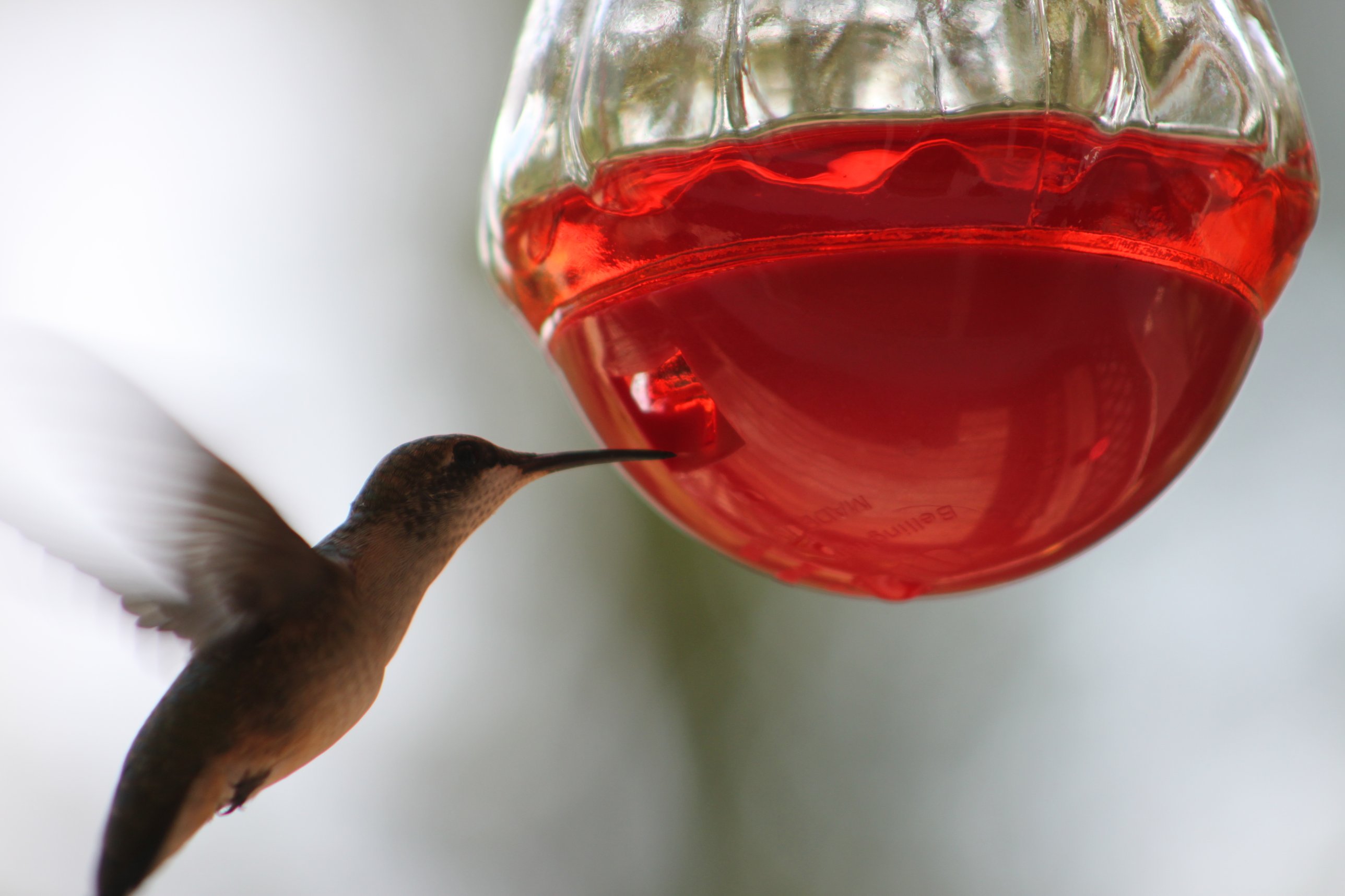
A hummingbird hovering to drink from a red glass feeder
So small, yet she leaves beauty in the world just by being who she is.

“What, after all, is Apollos? And what is Paul? Only servants, through whom you came to believe — as the Lord has assigned to each his task.” (1 Corinthians 3:5, NIV)

Paul answers his own question: only servants. Knox calls them “ministers of the God in whom your faith rests.” The Remedy, by Dr. Tim Jennings of Come and Reason Ministries, puts it beautifully: they are “merely aids of God; conduits of his,” each doing their part in the healing process, as the Lord has assigned.

We each have our talents, gifts and abilities. We are a tool in the hand of the Lord. When we allow the Lord to use us to bless others, we are no more than a guide for those who have not traveled this way before. Someone had to show us the way. Someone allowed the Lord to use them to be our blessing, and now we are passing the blessing on to those we meet each day.

That is all Paul and Apollos ever were. The Corinthians were arguing over the guides and forgetting the One who sent them.

Often we are a blessing without ever being aware of the fragrance we leave in our wake. We rush through our day and still find the Love and Grace to say the kind word, do the quick kind act, astonishing those we pass with our kind generosity.

And I do mean shocking. I have found this effect is more common than one would realize. People are truly astonished when they witness or receive an unconscious act of kindness. The stronger the act, the more dissonance it creates in the mind, and the stronger the opportunity for real change. This is the true science of permanent change: for the mind to accept change, there needs to be a strong push to take note of it and to want it.

They are not used to witnessing such kindness. It leaves an impression. The next time we pass that way, our reception will be more welcoming, and we will have a better opportunity to share with them.

Paul knew that fragrance well. “Thanks be unto God, which always causeth us to triumph in Christ, and maketh manifest the savour of his knowledge by us in every place” (2 Corinthians 2:14). The fragrance is His; we only carry it.

Just walking through our day with the fires of Love and Truth flowing out of us to all we pass is a powerful witness for the healing power of Christ. Keep your eyes, heart and ears open for the little questions and small gestures the Spirit can make you aware of, as you continue to focus outward.