
Cleansing & Flushing, Herbal Healing, Herbs & How to Use Them

A Strong Formula for Cleansing the Blood and Lymph

This formula carries one of my favorite pieces of history from this tradition. After one of Dr. John Christopher’s arrests, he was told never to use the word “cancer” again. Not long after, in a private conversation about Red Clover, Dr. Schulze told him, “I just can’t help myself. Red Clover is the antidote for cancer.” Chaparral carries the same kind of reputation, long credited as one of nature’s most powerful antioxidants. I share these exactly as they have long been told within this tradition, as historical claims and not medical guidance. But they’re part of why this formula has the reputation it does.

This is the strongest blood and lymph cleanser I use, built on the same tradition as the famous Hoxsey Formula and Dr. Christopher’s Red Clover Tonic. Everyone on our 5-day cleansing program takes it, and it’s the core of the program for the most serious cases, where its whole job is to support the liver in clearing disease and built-up toxins out of the blood.

What a Good Blood and Lymph Cleanser Contains

A good formula for a deep blood and lymph cleanse might contain these twelve herbs:

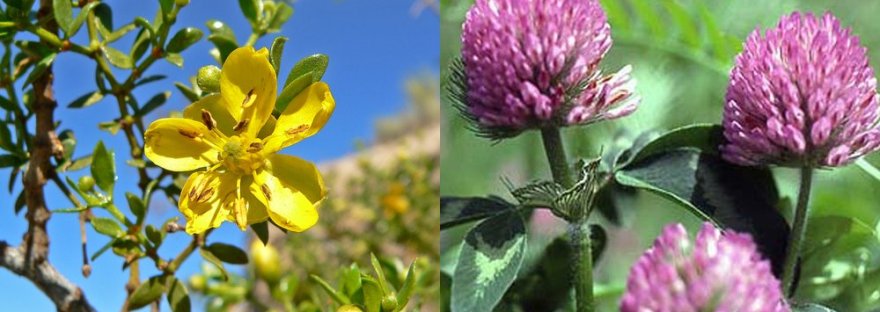
  • Red Clover Blossoms, 2 parts. A core blood cleanser, prized in the old-time cleansing tonics.
  • Chaparral, 2 parts. A desert shrub long used in the Southwest as a strong internal cleanser.
  • Burdock Root, 1 part, and Burdock Seed, 1 part. Classic blood-purifying herbs, used for centuries alongside Red Clover.
  • Yellow Dock Root, 1 part. A liver and blood herb common in old-time cleansing blends.
  • Oregon Grape Root, 1 part, and Goldenseal Root, 1 part. Bitter roots that support the liver’s own cleansing work.
  • Poke Root, 1 part. Supports the lymph.
  • Bloodroot, 1 part. One of the historic herbs of the Hoxsey tradition this formula draws from.
  • Garlic Juice, 1 part. For its own cleansing and immune support.
  • Lobelia Seeds, 1 part. A relaxant that keeps the whole system moving.
  • Cayenne, 1 part. For circulation, carrying the other herbs through the body.

“Parts” can be any measure you like, as long as you use the same one for every herb. By weight, that’s 2 ounces each of Red Clover and Chaparral and 1 ounce each of the rest, with the garlic juice stirred into the extract.

Putting It Together

Put the dry herbs in a glass jar and pour in 80-proof vodka. Once the herbs have settled, you want about 60% herb sediment on the bottom and 40% liquid on top. Shake the jar every day. The traditional timing follows the moon, from the new moon to the full moon, about two weeks. I prefer to let my extracts sit a full three months, which makes them good and strong. Then strain and bottle the liquid.

How Much and How Often

  • For serious illness: ½ teaspoon every 3 hours.
  • For general cleansing: ½ teaspoon three times a day.

These herbs are strong, and strong-tasting. They are cleansers, not a gentle daily tonic, and they do their best work with a real cleanse: plenty of water, fresh juice and herbal teas through the day to carry out what they loosen. If you feel some nausea or an upset stomach, that can be the body’s cleansing response; back off the amount and give the body time to catch up.

Cayenne moves the cleansing out through the skin as well. If the skin is already carrying an extra load, as with eczema or psoriasis, or if you have a nut allergy, the eleven-herb blood cleanser is my second choice. It’s the same class of cleanser, without the Cayenne.

For Lymph Congestion

Because it cleanses the lymph, this formula is also my internal support for lymph congestion and blockage, such as lymphedema. For a swollen area, pair it with the Mullein and Lobelia salve laid on as a pack. I wrote more about that in Understanding Lymphedema.

This is shared for educational purposes, from my own study and experience. It is not medical advice.
Heart, Blood & Circulation, Herbal Healing, Herbs & How to Use Them

Food for the Blood

Your blood carries oxygen to every cell in your body. That job depends on having enough healthy red blood cells, and enough hemoglobin inside them to carry the oxygen. Anemia is simply a shortage of red blood cells, hemoglobin or both. It shows up as paleness, tiredness or a pounding heart, because the body is working harder to move oxygen with less of it in each cell.

Rather than treat anemia as a lone symptom, a good blood formula feeds the blood. These herbs supply the iron and minerals the body uses to build new red blood cells and raise its hemoglobin. Because it works as food, it’s taken regularly, with meals, over time.

I also add it to the rebuilding program whenever bleeding has been part of what someone is recovering from. It helps the body replace what was lost.

What a Good Blood-Building Formula Contains

A good formula for building the blood might contain these four herbs:

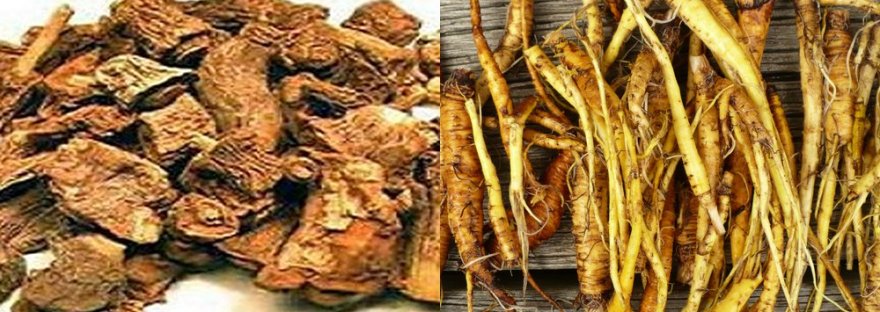
  • Sarsaparilla Root, 8 parts. The lead herb. A classic blood purifier and tonic, valued for the minerals it brings to rich, healthy blood.
  • Yellow Dock Root, 4 parts. One of the best-known iron-rich herbs, long used to build red blood cells and hemoglobin.
  • Comfrey Root, 4 parts. A nourishing herb rich in the minerals that build the blood.
  • Sassafras Bark, 1 part. A small amount to round out the formula’s blood-cleansing action.

“Parts” can be any measure you like, as long as you use the same one for every herb. By weight, that’s 8 ounces of Sarsaparilla, 4 each of Yellow Dock and Comfrey, and 1 of Sassafras.

Putting It Together

Put the dry herbs in a glass jar and pour in 80-proof vodka. Once the herbs have settled, you want about 60% herb sediment on the bottom and 40% liquid on top. Shake the jar every day. The traditional timing follows the moon, from the new moon to the full moon, about two weeks. I prefer to let my extracts sit a full three months, which makes them good and strong. Then strain and bottle the liquid.

How Much and How Often

2 to 4 droppersful (½ to 1 teaspoon) in a cup of hot water after each meal. Add honey to taste and drink.

For more on rebuilding the blood, see Anemia, Herbal Support to Rebuild the Blood.

This is shared for educational purposes, from my own study and experience. It is not medical advice.
Herbal Healing, Herbs & How to Use Them, Organs & Glands

Rebuilding Tired Adrenals

Your adrenal glands are two small glands that sit right on top of each kidney, and the job they do is far bigger than their size. They make the hormones the body relies on to handle stress: adrenaline for fight or flight, cortisol to regulate blood sugar and inflammation, and aldosterone to balance sodium, fluids and blood pressure.

When stress is constant instead of occasional, from illness, overwork, poor sleep or emotional strain, the adrenals wear down trying to keep up. That’s when people notice a tiredness that doesn’t lift with rest, a harder time handling stress that used to be manageable, and a heart that feels like it’s working overtime.

Feeding these glands, rather than pushing them harder, is what gives them the chance to rebuild. And because the adrenals and the heart carry the load of stress together, a good adrenal formula supports the heart as well.

What a Good Adrenal Formula Contains

A good formula for tired adrenals might contain these seven herbs:

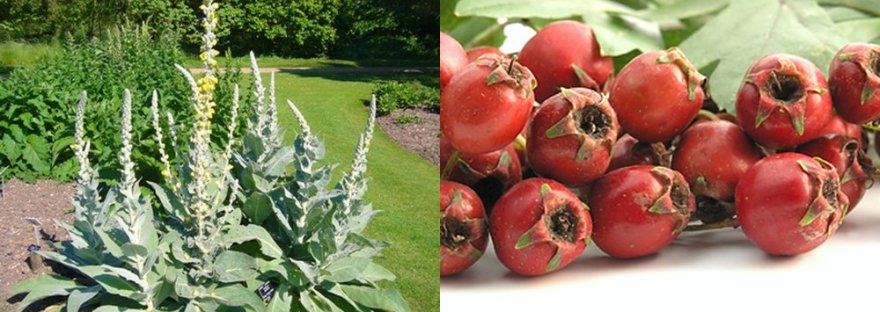
  • Mullein, 4 parts, and Lobelia, 4 parts. Together they are considered the perfect food for the glands, long paired to nourish and rebuild an overworked, run-down gland.
  • Ginseng, 4 parts. A mix of American and Siberian. American Ginseng is the gentler of the two, well tolerated over time; Siberian Ginseng is the classic herb for stress and endurance.
  • Gotu Kola, 4 parts. In small amounts it relieves fatigue and wakes up the brain, and it supports the pituitary, which directs the adrenals.
  • Hawthorn Berries, 4 parts. A heart tonic for centuries. Under stress the heart often works overtime, and Hawthorn steadies it, soothes the nerves and helps with nervous sleeplessness.
  • Ginger Root, 4 parts. Carries the formula into the abdomen, where the adrenals sit, and clears congested capillaries.
  • Cayenne, 1 part. Nature’s finest stimulant for the circulation, bringing oxygen and nourishment to the cells that need repair.

“Parts” can be any measure you like, as long as you use the same one for every herb. By weight, that’s 4 ounces each of the first six herbs and 1 ounce of Cayenne.

Putting It Together

Put the dry herbs in a glass jar and pour in 80-proof vodka. Once the herbs have settled, you want about 60% herb sediment on the bottom and 40% liquid on top. Shake the jar every day. The traditional timing follows the moon, from the new moon to the full moon, about two weeks. I prefer to let my extracts sit a full three months, which makes them good and strong. Then strain and bottle the liquid.

How Much and How Often

2 to 4 droppersful (½ to 1 teaspoon) three times a day, six days a week.

It took years for the body to get into this condition, and it takes steady nourishment to rebuild. While it does, avoid the foods and activities that add stress to a tired gland. And remember, a merry heart does good like a medicine.

This is shared for educational purposes, from my own study and experience. It is not medical advice.
Herbal Healing, Herbs & How to Use Them, Organs & Glands

The First Twinge Is the Time to Act

There’s a moment at the very start of a bladder infection, a telltale twinge, burning or urgency, when acting quickly can still stop it in its tracks. That moment, not hours or days later, is when to reach for this drink.

When bacteria gain a foothold in the urinary tract, the bladder lining becomes irritated and inflamed, and that brings the burning and urgency. Acidic urine makes the burning worse. Herbs that neutralize the acid and calm the inflammation, used right away, can ease the pain quickly.

This is a comfort formula. It eases the burning and pain of voiding; it is not what clears the infection itself. For that, use it alongside the infection support in Our Two Infection Fighters and Echinacea.

What a Good Bladder Comfort Formula Contains

A good formula for the burn of a bladder infection might contain these five herbs:

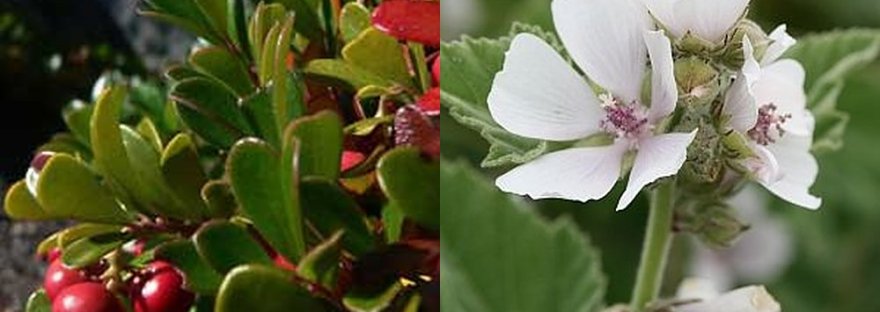
  • Juniper Berries, 4 parts. The lead herb. Its oils pass out through the kidneys and act directly on the urinary tract, which is why it’s the herb to reach for at the first sign of trouble.
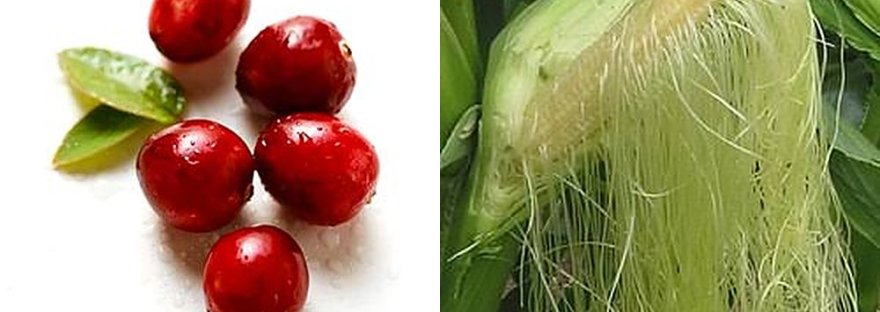
  • Corn Silk, 2 parts. The comfort herb. It coats and calms the irritated bladder lining directly, easing the burning and urgency themselves.
  • Cranberry, 2 parts. Helps keep bacteria from sticking to the bladder wall, and together with Juniper helps neutralize the burning.
  • Parsley Root, 2 parts. Keeps fluid moving through the urinary tract, flushing out what’s irritating it.
  • Uva Ursi, 1 part. Adds its own cleansing support in a smaller amount.

“Parts” can be any measure you like, as long as you use the same one for every herb. By weight, that’s 4 ounces of Juniper, 2 each of Corn Silk, Cranberry and Parsley Root, and 1 of Uva Ursi.

Putting It Together

Put the dry herbs in a glass jar and pour in 80-proof vodka. Once the herbs have settled, you want about 60% herb sediment on the bottom and 40% liquid on top. Shake the jar every day. The traditional timing follows the moon, from the new moon to the full moon, about two weeks. I prefer to let my extracts sit a full three months, which makes them good and strong. Then strain and bottle the liquid.

How to Take It

  • Put an ounce of the formula in a large mug.
  • Pour 6 to 8 ounces of boiling water over it. This shocks off the alcohol, so there’s no need to boil the formula itself. Let it sit a minute or two.
  • Top it off with cold water so you can drink it quickly.
  • Drink the whole thing right away rather than sipping it.
  • Try to hold off urinating for about 45 minutes afterward, to give the herbs time to work.

A Smaller Preventive Use

I have some men in wheelchairs who don’t drain their bladders well, and they use this in small amounts as a preventive. Retained urine gives bacteria a place to grow, so a little of this formula on a regular basis helps keep that from turning into a full infection. The amount depends on how chronic the problem is.

Which Urinary Formula When?

  • The kidney formula and tea: food for the whole renal system, to be used for as long as you like.
  • The bladder formula: for incontinence and urgency, which often come from a mild infection or bacteria in the bladder or urinary tract.
  • The bladder comfort drink (this post): only for the burning pain of a bladder infection, taken as one strong drink.

This is shared for educational purposes, from my own study and experience. It is not medical advice.
Herbal Healing, Herbs & How to Use Them, Organs & Glands

Steady, Daily Support for a Tired Bladder

Your urinary tract works around the clock: the kidneys filter waste from the blood, the bladder stores it, and a network of muscles and tissues manages when and how it’s released. When that system is weak or overworked, it can show up as a bladder that doesn’t hold urine reliably, urinary tissue that has lost its tone, or a tendency toward stones and mineral buildup.

These are usually gradual problems, and they respond to steady, daily support rather than one fast remedy. Urgency and leaking are often driven by a mild infection or bacteria in the bladder or urinary tract, and clearing that is part of getting control back.

Over the years this formula has given relief to people who had become afraid to go out in public because they couldn’t control their bladder. It has also helped women, and anyone laid up after an accident or surgery. Being laid up doesn’t just weaken the muscles you can see; it weakens the ones that manage the bladder too.

What a Good Bladder Formula Contains

A good bladder formula might contain these seven herbs, in equal parts:

  • Juniper Berries, 1 part. One of the two fast-acting diuretics here, long credited with correcting problems in voiding urine.
  • Parsley Root, 1 part. The other fast-acting diuretic, well known for rebuilding urinary tissue.
  • Uva Ursi Leaf, 1 part. A cleansing herb for the urinary tract, credited with helping dissolve stones and mineral buildup.
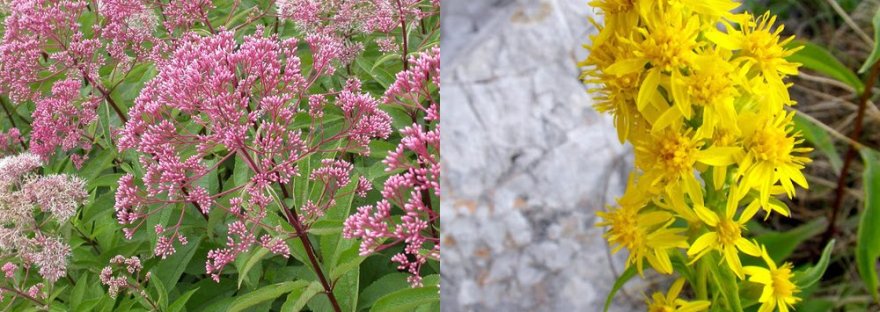
  • Marshmallow Root, 1 part. Soothing and healing, it eases the flow of urine through an irritated tract.
  • Lobelia, 1 part. Relieves spasm in the urinary tract.
  • Goldenseal Root, 1 part. Fights infection and heals tissue.
  • Ginger Root, 1 part. Helps the whole combination work together.

“Parts” can be any measure you like, as long as you use the same one for every herb. By weight, that’s simply equal ounces of all seven.

Putting It Together

Put the dry herbs in a glass jar and pour in 80-proof vodka. Once the herbs have settled, you want about 60% herb sediment on the bottom and 40% liquid on top. Shake the jar every day. The traditional timing follows the moon, from the new moon to the full moon, about two weeks. I prefer to let my extracts sit a full three months, which makes them good and strong. Then strain and bottle the liquid.

How Much and How Often

This is a healing food formula, so the amount is spread out through the day: ½ to 1 teaspoon, three to five times a day, depending on how much trouble there is with control or with bacteria. A cup of parsley tea alongside it, morning and evening, is a good old-fashioned helper.

Which Urinary Formula When?

  • The kidney formula and tea: food for the whole renal system, to be used for as long as you like.
  • The bladder formula (this post): for incontinence and urgency, which often come from a mild infection or bacteria in the bladder or urinary tract.
  • The bladder comfort drink: only for the burning pain of a bladder infection, taken as one strong drink.

This is shared for educational purposes, from my own study and experience. It is not medical advice.
Herbal Healing, Herbs & How to Use Them, Organs & Glands

Food for the Kidneys: A Daily Formula and Tea

Kidney infections were part of my life from childhood. By sixteen, an infection and high fevers put me in the emergency room in convulsions, and I lived on antibiotics for the next fifteen years. When I discovered herbs, I finally began to clear the infections from my renal system completely.

Ever since, my daily supports have been a kidney formula stirred into my kidney tea, along with my hot lemonade: cayenne, lemon juice, apple cider vinegar and a little maple syrup. I haven’t had a kidney attack or kidney pain in over 20 years. I know my kidneys are a weak spot, so I keep animal proteins very low, and I have no soda, sugary drinks or junk food. The body just doesn’t need that stuff.

I’ve been drinking this tea for over 30 years. I don’t drink a gallon every day, but I have at least a mug or two, and it’s still my tea of choice.

Food, Not a Flush

This is a basic nourishing formula for the whole renal system: food for the kidneys. It feeds and supports rather than pushing a strong detox, it tastes good, and it can be used for as long as you like. People hear “kidney tea” and assume it’s only for stones. It does help there, but most of our members keep a pitcher in the fridge to rebuild and maintain their kidney health day to day. Don’t wait for a kidney complaint to reach for it.

What a Good Kidney Formula Contains

A good kidney formula might contain these nine herbs:

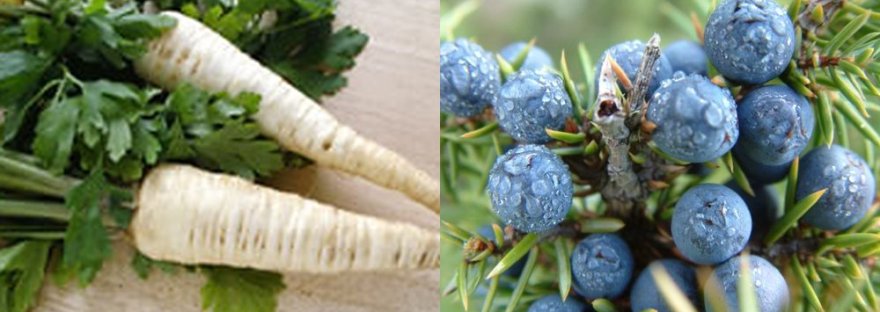
  • Juniper Berries, 2 parts. The largest share, and a time-honored kidney herb. Juniper supports a healthy flow of urine and keeps the whole urinary tract clean.
  • Uva Ursi Leaf, 1 part. A classic herb for a clean, healthy bladder and urinary tract.
  • Parsley Root, 1 part. A gentle, nourishing root that supports the kidneys and helps flush the urinary tract.
  • Corn Silk, 1 part. Coats and calms the tissues of the urinary tract, keeping the formula gentle.
  • Goldenrod Flower Tops, 1 part. Long used to support the kidneys and help the body clear excess fluid.
  • Horsetail, 1 part. Rich in silica and minerals that tone and strengthen the tissues of the urinary tract.
  • Pipsissewa Leaf, 1 part. A North American urinary herb, a cousin of wintergreen, used for the bladder and kidneys.
  • Burdock Root, 1 part. A classic blood cleanser. Cleaner blood means less work for the kidneys as they filter it.
  • Burdock Seed, 1 part. Complements the root with its own gentle support for the flow of urine.

“Parts” can be any measure you like, as long as you use the same one for every herb.

Put the dry herbs in a glass jar and pour in 80-proof vodka. Once the herbs have settled, you want about 60% herb sediment on the bottom and 40% liquid on top. Shake the jar every day. The traditional timing follows the moon, from the new moon to the full moon, about two weeks. I prefer to let my extracts sit a full three months, which makes them good and strong. Then strain and bottle the liquid.

What a Good Kidney Tea Contains

The tea is the formula’s everyday partner. A good kidney tea might contain these twelve herbs:

  • Juniper Berries, 2 parts.
  • Corn Silk, Uva Ursi Leaf, Parsley Root, Dandelion Leaf, Horsetail and Goldenrod, 1 part each. The same gentle kidney and urinary support as the formula, with Dandelion adding its own help with the body’s fluid balance.
  • Hydrangea Root, 1 part. Long used to discourage stones. Dr. Shook considered it a true stone solvent: as a stone’s sharp points dissolve, he noted, the pain and inflammation they cause go with them.
  • Gravel Root, 1 part. True to its name, used to help the body pass and discourage gravel and stones.
  • Marshmallow, 1 part. Soothing to irritated urinary tissue.
  • Orange Peel and Peppermint, 1 part each. They make it a bright, pleasant tea you’ll actually want to drink.

Brewing the Tea

  • The overnight way: put 1¼ cups of the dry tea in a pot with a gallon of cold water and let it soak overnight. In the morning, heat it just to boiling, take it off the heat and let it steep at least 15 minutes. Strain, and pour over ice or drink it hot.
  • My coffee-maker shortcut: grind the dry herbs to a fine powder and keep the powder in the freezer. About 2 tablespoons brews a full pot in a drip coffee maker; use the strongest setting if yours has one. In a reusable single-serve pod, fill it only about half full, since the herbs swell. I run the same herbs through twice, and the two cups over ice make a 2-quart pitcher.

How Much and How Often

  • Add ½ teaspoon of the formula to each 8 ounces of hot or iced tea, so a 16-ounce mug gets 1 teaspoon.
  • For a gallon pitcher of iced tea, stir in a whole ounce of the formula and drink it through the day.
  • Drink freely. A common guideline is at least half your body weight in ounces of fluid each day, so a 150-pound person needs at least 75 ounces, and Dr. Christopher recommended even more. For someone 150 pounds or more, a gallon a day is fine. Let the tea carry most of it.

The formula and tea are also the heart of my Ultimate Kidney Flush, a 3-day stone-dissolving routine with fresh apple, lemon and lime juice and raw apple cider vinegar. For the deeper work, see Kidney Flushing Light to Intense, and for a struggling kidney, A Salve Pack for Struggling Kidneys.

Which Urinary Formula When?

  • The kidney formula and tea (this post): food for the whole renal system, to be used for as long as you like.
  • The bladder formula: for incontinence and urgency, which often come from a mild infection or bacteria in the bladder or urinary tract.
  • The bladder comfort drink: only for the burning pain of a bladder infection, taken as one strong drink.

This is shared for educational purposes, from my own study and experience. It is not medical advice.
Food & Nutrition, Herbal Healing, Herbs & How to Use Them

Superfood: Raw Material for Healing

Over and over I have seen that nutrition is vital to healing. Whether you are working through a serious disease or simply cleansing for a healthier life, the body needs raw material to rebuild with.

The herbs are master builders. Different herbs go to different parts of the body, promoting circulation and restoring health. What many people don’t understand is that the herbs alone don’t supply all the nutrition needed to do the work they’re capable of. It’s like sending a master builder to your lot with the blueprints and the know-how, but never delivering any lumber. You won’t be moving in any time soon.

Some foods and herbs are so concentrated and complete in their nutrition that I call them superfoods. A spoonful of a good blend is like a transfusion of nutrition, and for many people it is the missing link in their health program.

What a Good Superfood Blend Contains

A good superfood blend might contain these powders:

  • Nutritional Yeast, 20 parts. Non-active yeast, heated enough to stop all yeast activity but not enough to harm its vitamins. It is the richest source of B vitamins and about half protein, and it is safe for anyone avoiding yeast.
  • Alfalfa, 8 parts. The vitamin and mineral herb, gently cleansing and rich in chlorophyll.
  • Orange Peel, 4 parts, and Lemon Peel, 3 parts. Rich in vitamin C and the bioflavonoids the body needs to use it. The pectin in citrus peels also helps pull heavy metals out of the body.
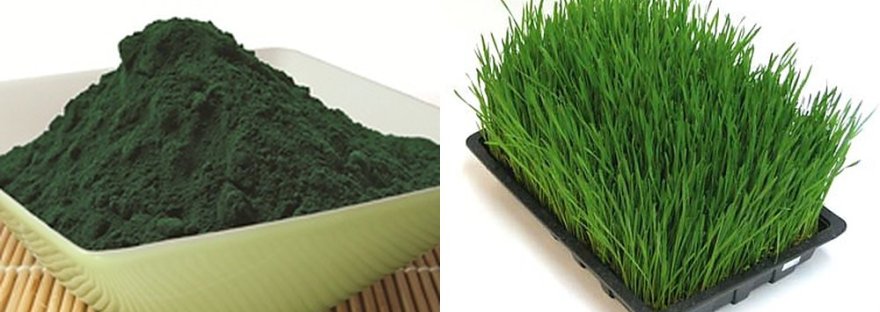
  • Barley Grass and Wheat Grass, 2 parts each. Grain grasses are more potent than the grains themselves, full of vitamins, minerals and chlorophyll.
  • Spirulina, 2 parts. One of the most concentrated foods on the planet: about 60% complete protein, high in beta carotene and B vitamins, and easy to digest.
  • Chlorella, 2 parts. Second only to Spirulina in nutrition, with its cell wall broken so the nutrients are easy to absorb.
  • Beet Root and Spinach Leaf, 2 parts each. Two of the richest sources of usable iron, famous for building the blood. Spinach adds calcium and vitamin K.
  • Rose Hips, 2 parts. Another fine source of vitamin C and its helpers.
  • Kelp blend, 1 part. Sea plants are the richest source of usable minerals on earth, carrying all the minerals and trace minerals of the ocean.

“Parts” can be any measure you like, as long as you use the same one for every herb. By weight, that’s a pound and a quarter of yeast, half a pound of alfalfa, and so on down the list in ounces. For a blend without the yeast, simply leave it out.

How Much and How Often

  • 2 heaping tablespoons a day, stirred into juice or a blender drink.
  • Up to 4 rounded tablespoons a day when the body is working hard to heal.

Many of these foods are single-celled plants that digest on their own, so the nutrition can reach the bloodstream within about 15 minutes. I take mine every day, and it makes a fine partner for a plant-calcium formula.

What’s in a Serving

Worked out from the blend above, a serving of 2 heaping tablespoons (about 16 grams) carries roughly:

  • Calories: 55, with just half a gram of fat
  • Protein: 5 grams
  • Carbohydrate: 7 grams, 4 of them fiber (14% of the daily value)
  • Potassium: 320 mg (7%)
  • Iron: 2.5 mg (14%), and calcium: 80 mg (6%)
  • B vitamins, when the nutritional yeast is the fortified kind: about 350% of the daily value of thiamin (B1), 310% of riboflavin (B2), 150% of niacin (B3), 250% of B6, 130% of folate and 90% of B12
  • Plus vitamin C and bioflavonoids from the rose hips and citrus peels, chlorophyll from the grasses and algae, and iodine and trace minerals from the kelp

These are approximate figures calculated from the ingredients, not lab tested, and they vary a little with every batch of whole-food powders. One note on the niacin: fortified yeast carries a lot of it, and a large amount at once can bring on a harmless but startling warm, red “niacin flush.” Staying around this serving size avoids it.

Wondering whether the yeast in this blend is a problem for Candida? See Nutritional Yeast: The Yeast That Feeds You.

This is shared for educational purposes, from my own study and experience. It is not medical advice.
Herbal Healing, Herbs & How to Use Them, Organs & Glands

A Salve Pack for Struggling Kidneys

Kidney trouble has been part of my life since childhood, when an infection went untreated long enough to damage my whole renal system. Herbs changed that for me, and kidney cases have been a big part of my practice ever since.

One of the best ways to get healing herbs right into a struggling organ is a fomentation: hot towels soaked in a strong herbal tea, laid over the area and covered to hold in the heat, then changed as they cool. Fomentations work beautifully, but they are messy and time consuming, and few people will actually set them up and keep them going.

A salve pack does the same job without the fuss. The herbs are already in the salve; you spread it on flannel, lay it over the kidneys, cover it and add heat. This salve was developed for chronic or inflamed kidneys. Its herbs support urine production and the health of the kidney itself.

What a Good Kidney Salve Contains

A good salve for the kidneys might contain these five herbs:

  • Parsley Root, 2 parts. The lead herb. A remarkable aid for the whole urinary system, and Dr. Christopher paired it with Juniper to get the urine flowing.
  • Juniper Berries, 1 part. Clears passive congestion from the kidneys and removes waste through them, and it strengthens the kidneys, the bladder and the urinary passages.
  • Marshmallow Root, 1 part. Soothing to inflamed kidneys and bladder, it relaxes the urinary passages and eases pain, and it helps gravel pass smoothly.
  • Ginger Root, 1 part. Brings circulation to the area so the other herbs can do their work.
  • Burdock Root, 1 part. One of the best blood cleansers in nature. It increases the flow of urine and relieves congestion in the lymph.

“Parts” can be any measure you like, as long as you use the same one for every herb.

Putting It Together

Fully extract the herbs in extra virgin olive oil. Most of my salves go into a 150-degree oven for three hours; then I swap the spent herbs for fresh ones and do it again, three times through in all. Strain the oil and thicken it with beeswax.

How to Use It

  • Spread the salve on a piece of flannel folded in two layers.
  • Lay the flannel, salve side down, over the kidney area. Hold it in place with Press’n Seal wrap or any pack holder that works; castor oil pack holders work well over the kidneys.
  • Cover with a towel and a heating pad for 45 minutes to an hour before bed.
  • Leave the pack on all night, and repeat as needed.

For more on caring for the kidneys, see Herbal Support for the Kidneys and Kidney Flushing Light to Intense.

For an overview of how I use herbal salves as topical applications, here is my video:

This is shared for educational purposes, from my own study and experience. It is not medical advice.
Herbal Healing, Herbs & How to Use Them, Infection, Colds & Flu

Drying Up Allergies, Hay Fever and Sinus Trouble

When the pollen flies, the head fills up: runny nose, itchy eyes, sneezing, a sinus full of pressure and a chest full of mucus. A good allergy formula works as a natural decongestant and antihistamine. It dries up the excess secretions and helps the body push the mucus out of the head and the bronchial tubes.

Allergies are rarely only about pollen, though. When the bowels aren’t moving often enough, or the liver is too full of waste to keep up, the body pushes that waste out wherever it can, and the sinuses are a favorite place. I wrote about that side of it in Spring Time Allergy Issues. Clearing the bowels and flushing the liver go a long way toward a quieter allergy season.

What a Good Allergy Formula Contains

A good formula for allergies and sinus trouble might contain these nine herbs:

  • Mormon Tea, 4 parts. Its tannins have a drying effect that cuts down on mucus and other secretions. It is a cousin of Brigham Tea, just a bit gentler.
  • Marshmallow Root, 4 parts. Very soothing to inflamed tissue in the airways and all through the body.
  • Juniper Berries, 4 parts. Clears waste from the whole system through the kidneys and helps stop runny mucus discharges.
  • Goldenseal Root, 4 parts. Has a strong action on the mucous membranes, clearing up heavy or unhealthy secretions, and it cleanses the liver.
  • Chaparral, 4 parts. A natural expectorant that keeps the airways clear of excess mucus.
  • Burdock Root, 4 parts. A blood cleanser for any trouble that comes from built-up toxins, from allergies to skin eruptions.
  • Parsley Root, 4 parts. Long used to expel watery poisons and excess mucus and to reduce swollen glands.
  • Lobelia, 4 parts. Goes wherever the body is struggling and helps the other herbs do their work there, while relaxing the airways.
  • African Bird’s Eye Pepper, 1 part. A strong circulation herb that moves mucus out and clears the bronchial tubes and sinuses.

“Parts” can be any measure you like, as long as you use the same one for every herb. By weight, that’s 4 ounces each of the first eight herbs and 1 ounce of the pepper.

Putting It Together

Put the dry herbs in a glass jar and pour in 80-proof vodka. Once the herbs have settled, you want about 60% herb sediment on the bottom and 40% liquid on top. Shake the jar every day. The traditional timing follows the moon, from the new moon to the full moon, about two weeks. I prefer to let my extracts sit a full three months, which makes them good and strong. Then strain and bottle the liquid.

How Much and How Often

½ to 1 teaspoon twice a day, added to a cup of hot distilled water.

This is shared for educational purposes, from my own study and experience. It is not medical advice.
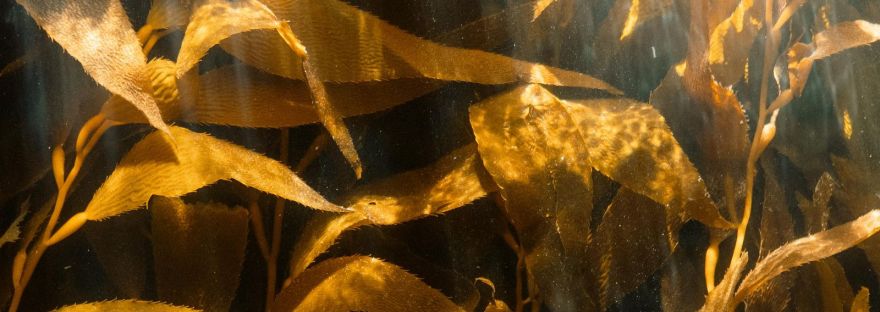
Sunlight filtering through a golden underwater kelp forest.
Herbal Healing, Herbs & How to Use Them, Organs & Glands

Kelp: Food from the Sea for the Thyroid

Photo: James Collington / Pexels

Kelp brought my own thyroid back to normal at twenty-five, after years on a pill I was told I would need for life. The whole story is in My Thyroid Story. Here is why kelp works, how to use it, and why the iodine in kelp is so different from the iodine sold in a bottle.

Why Kelp Works

Our bodies need only the tiniest amounts of the trace minerals, such as iodine, copper, manganese, boron and zinc, yet without them we cannot live. Kelp is one of the richest sources of these, and above all of iodine.

The thyroid needs iodine to make its hormone. Without enough, it has to work overtime and can swell into a goiter. And the thyroid touches nearly everything: it regulates metabolism and body fat, steadies the heart, brightens the mind, keeps the bowels moving, and works with the pancreas, the adrenals, the ovaries and testes, and the pituitary. Kelp is a far better source of iodine than iodized salt, and used as a seasoning it easily supplies what the body needs.

More Than the Thyroid

  • Weight: Kelp has long been used as a slow, steady aid to weight loss. It acts more as a normalizer than a fat burner; thin people can put on weight while taking it.
  • The liver: Kelp has an affinity for the liver, supplying the salts it needs and helping clear congestion. A sluggish liver brings low moods, and a bright, vital person has an active liver.
  • Blood vessels: It tones the walls of the blood vessels and helps normalize both high and low blood pressure.
  • Minerals: It is one of the highest sources of potassium among foods and herbs, and a good source of vitamin B12 for those who eat no animal foods.

A Good Kelp Blend

Kelp works even better alongside its sea cousins. A good kelp blend might combine three sea plants, powdered and put into capsules:

  • Atlantic Kelp, 2 parts.
  • Irish Moss, 1 part.
  • Dulse, 1 part.

Each brings its own mix of ocean minerals, so together they cover more ground than kelp alone.

How Much and How Often

  • Dr. Christopher’s suggestion: 5 capsules of the kelp blend three times a day.
  • What I do: 10 capsules in the morning, and another 5 later in the day when I remember.

Kelp is a food, so it can also be used freely as a seasoning, sprinkled on your meals in place of salt.

Organic Iodine and Inorganic Iodine

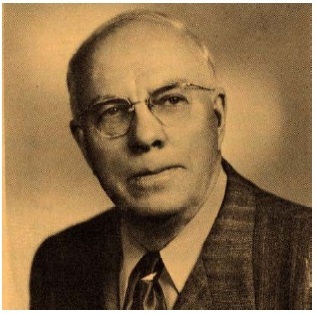
Dr. Edward E. Shook, in his Advanced Treatise in Herbology, explains the difference between the iodine in sea plants and the iodine made in a factory.

Dr. Edward E. Shook

Positively hundreds of instances could be cited to prove the deleterious effects of the application of inorganic matter and the positive curative effects of the intelligent application of nature’s great store of organic remedies– Herbs– in the treatment of pathological conditions of the human organism. —Advanced Treatise in Herbology, by Dr. Edward E. Shook, pg. 16

Inorganic Iodine

We will take a cursory glance at one more important item of evidence showing the incalculable injury that can be done to the human organism by the administration of inorganic substances, more especially, those elements which have been artificially made or separated from organic matter by the action of violent acids, alkalies, or reduction to ashes by burning.

This universally-used and insidious poison is commonly called iodine. This element is found naturally combined with sodium, potassium, calcium, and manganese, in seawater, mineral springs, and marine plants and animals, but in exceedingly minute quantities. There are only 37 parts of iodine in 100,000 parts of cod liver oil.

The commonly used iodine is obtained from the ashes of burnt kelp, dissolved in water; the solution is then evaporated. The iodine is liberated by the action of chlorine aided by heat, and then condensed.

Taken internally, this form of iodine acts both as a local irritant and as a true poison. It slowly decomposes water, stealing hydrogen to form hydrogen iodide. This in turn gives off white fumes on contact with air and has a powerful acid reaction. Mixed with oxygen, it decomposes in the dark forming water, and liberating iodine, which again carries on its devastating effects upon the gastric organs and fluids producing a long chain of disasters.

The gas previously mentioned under sulfur; namely, sulfur anhydride, is decomposed by iodine, once more forming hydrogen iodide, and freeing sulfur; and we have seen what sulfur does.

This inorganic iodine is a most insidious and injurious substance that upsets and disorganizes all the digestive fluids producing various forms of dyspepsia, severe gastric pain, indigestion, foul gaseous eructation, and inability to assimilate food. This so-called specific disease is named Iodism. It by no means confines its disruptive action to the gastric organs, nor does it have to be taken internally to poison the body; for if it be painted on the throat or any other part of the body, it can be traced in the urine in from 30 to 40 minutes.

Organic Iodine

Now to the difference manifested in the action of organic iodine; and what a vast difference there is.

Every saline aquatic plant contains iodine in combination with sodium, potassium, calcium, and manganese; also phosphates, sulfates, chlorides, bromides, etc.

They are all nonpoisonous, nutrient foods, antiscorbutics and vulnerary plants of the highest order.

Here are two in particular that for thousands of years have been used successfully in the treatment and cure of chronic disease.

Bladderwrack (Fucus vesiculosis). It is an alterative of great virtue, especially in obesity, reducing fatty acids, and tending to rid the system of useless waste matter.

Irish Moss (Chondrus crispus), a remarkable demulcent, nutrient, and dietetic providing the organism with what are loosely called vitamins, in the form of chlorides, iodides, bromides, phosphates, and sulfates of sodium, potassium, calcium, and magnesium. All of them are positive organic salts, absolutely necessary to the healthy metabolism of the human body. This whole family of herbs is fully described, together with their therapeutic application. —Advanced Treatise in Herbology, by Dr. Edward E. Shook, pg. 15-16

Read more on the subject of Iodine from the first chapter of Dr. Shook’s text book.

More on the Thyroid

This is shared for educational purposes, from my own study and experience. It is not medical advice.