Emotional Healing, Spiritual Healing, Weight Loss

The Weight Behind the Weight Part 1 of 5

The Weight Loss Series By Dara Dietz

“When you find the door locked and barred, turn around and look for the window. You will find you now have wings to fly.”

Between August 2017 and May 2019, I Shed 240 pounds and reclaimed my life. People want to know how I did it. The answer is not simple, because the weight itself was never simple. To understand how I lost it you first have to understand why I had it.

This is not a story about calories and exercise. This is a story about a seven-year-old girl who had no voice and no vote. Her only power was to watch, to record, and to remember. And to survive.

The Silent Watcher

She was a silent watcher. One who understood more than her years of life should ever know.
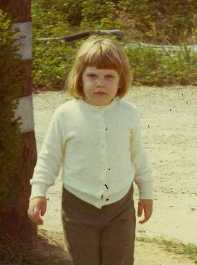
From the very beginning she sat quietly, studying the souls who pressed into her life — those who took from her things she was not yet offering. She saw through the eyes of a child men who selfishly took pleasure from one who did not respond. She learned to allow life to roll over her. She learned how to disconnect from an overwhelming situation, to go into herself and hide until it was over.

She had no voice, no vote. Her power was to watch, to record, to remember.

That little girl was me.

The men who came into my young life did more than violate a child’s body. They stole her sense of safety, her personal boundaries, her ability to trust. They planted confusion and shame so deep it would take decades to fully up-rooted. What they could not steal was the Still Small Voice she heard even then — the one that told her, quietly and persistently, that none of this was right. That she was meant for something more.

The Body Keeps the Score

For years I did not fully understand why I carried so much weight. I had done enormous amounts of emotional and spiritual work. I had journaled, counseled, prayed, and wrestled my way toward healing. I had arrived at genuine forgiveness — not as a concept but as a lived reality. I had written a book about it.

And still the weight remained.

What I did not yet understand was that the body and the mind are not separate systems. Early childhood trauma does not stay neatly filed away in memory. It lives in the nervous system, the hormones, the cells themselves. The weight was not a failure of willpower. It was not laziness or weakness or lack of discipline. It was my body doing exactly what a traumatized body does — building the only protection it knew how to build.

The Silent Watcher had no vote as a child. But the body found its own way to say no one will touch me again. The weight was her vote. The only one she ever had.

Understanding this changed everything.

The Long Road to Ready

Healing from childhood abuse is not a straight line and it is never finished in a single act of forgiveness or a single moment of breakthrough. It is a long, often grueling journey taken in layers. You peel back one layer and find another waiting beneath it.

My healing odyssey began in earnest in 1998. By 2009 I had traveled far enough to write about it — a memoir called Whatever Good May Come, a title drawn from a prayer I had learned to pray over the hardest experiences of my life. For whatever good may come of them. It was an act of faith that the worst things that had happened to me could somehow be transformed into gifts. Not despite the suffering but through it.

The book was published. The spiritual work continued. And the weight remained.

What I know now is that I was not yet finished becoming ready. The emotional and spiritual work had to fully complete itself before the body would agree to let go. You cannot rush that process. You can only keep showing up for it.

This was not my first attempt. When Michael and I moved from California in 1996 I already weighed 375 pounds and my health was failing — bladder and kidney infections that required constant antibiotics, kidney stones twice, acid reflux so severe I went to the emergency room certain I was having a heart attack, back spasms, hair falling out by the handfuls. I lost seventy pounds during those years and watched every one of them layer back on, scared and out of control. I ran and played in my dreams at night the way I had before the weight. I woke each morning to restricted movement and promised myself that today I would begin. By nightfall I had abandoned the promise again.

I was building a natural healing association and helping thousands of people while living inside that cycle. I felt like a fraud. I lived in fear of the phone call that would prove I was wasting everyone’s time.

I tell you that so you know the 2017 breakthrough was not a first try. It was the attempt that finally worked, and it worked because by then everything else had moved into place.

The Turning Point

In late 2016, roughly nine months before I began my weight loss journey, I stumbled across a seminar series by Dr. Tim Jennings — a psychiatrist whose work sits at the intersection of neuroscience and faith. What he shared stopped me cold.

Childhood abuse and neglect do not just leave emotional scars. They leave biological ones. Early trauma literally alters brain chemistry, damages neural pathways, and affects the very expression of our DNA. The healing work I had been doing for decades on the spiritual and emotional level was real and necessary — but there was also a physical dimension to the damage that needed to be addressed.

Dr. Jennings outlined several nutritional supports specifically for brain healing after childhood trauma. I began implementing them immediately. Within weeks something began to shift.

The creative side of my life — photography, cooking, sewing, writing — had gone quiet over the previous years. I had not noticed how much of myself had retreated until it began to return. Joy came back first, quietly, like the first warm day after a long winter. Interest in my own life returned. The woman who had done all that healing work began to actually inhabit her life again.

That was when I knew the body was finally ready.

A Note to the Reader

If you are carrying weight you cannot seem to release, I want to ask you a gentle question before you read another diet book or count another calorie.

What is the weight protecting you from?

I am not asking that to be provocative. I am asking because it is the question no one asked me for decades, and the answer — when I finally found it — unlocked everything else.

The weight loss tools I used were real and practical and effective. I will share all of them in the articles that follow. But they only worked because the ground had been prepared. Decades of spiritual work, years of emotional unearthing, and finally the biological healing that addressed the damage done to a child’s brain and body.

If you have been doing everything right and the weight will not move, consider that there may be a weight behind the weight. A story your body is still telling. A protection your nervous system is still insisting upon.

That story deserves to be heard before it can be released.

In the next article I will share the spiritual journey that made my transformation possible — including the prayer that became the title of my life.


Dara D. Dietz is co-founder, with her husband, of H.E.A.L. Marketplace, a private natural healing association serving an international membership since 1998. She is the author of Whatever Good May Come (2009) and resides in Rutherfordton, North Carolina.


Weight Loss Blog part 2: Whatever Good May Come

My Opinion, Spiritual Healing

SOULMATES

As long as there is life there is growing to do, a becoming more than we currently are, it is often painful and can require serious effort on our part to stay the course.  I found this journal entry and wanted to share it.  My prayer is you will understand and find a blessing in it.

In pride and arrogance, we want to fix ourselves and present ourselves to God perfectly healed. This will never happen. Christ offers us the only cure to our sin condition.  We are sick unto death; sin is killing us. We must accept all the healing Christ brings. Grow up into adults who can understand all he has done for us.

Children insist on “doing it myself,” these words can be heard from the mouth of an independent child, unwilling to allow someone to help. We need to be able and willing to let Christ help.

Sin, the law, the healing, so much to understand. Jesus can and is able to heal all the brokenness in a surrendered soul. He is longing to be our soulmate, the one who is with us, our heart’s desire, who knows us and who we know so well we are of the same mind.  Our hearts yearn for more knowledge, healing, and loving care, it is His desire for us to have.

Soulmates with Jesus? I have prayed for years, “Let them see you in me”. “Let the Jesus in me see the Jesus in others”. These requests have filled my prayers since I was a child, alone and hurting, longing to understand my world. Lord, you held my world together.  You gave me time to grow up, a chance to choose you from my heart.

Always, you helped me pick up the pieces of my broken self, bringing the healing truth as soon as I was able to hear it. You kept me together, giving me the strength to take the next step, with you, always with you. So often it was not my feet walking. Only my will, given freely, and my wanting you, moving us forward, together, as you carried me over the hard roads I could not even walk. So much, too much for me to have done alone without you.

Yes, Lord, you are my soulmate, the one who knows me best and loves me most. My heart is and always has been yours. Be my heart, the choice I choose every day. Never without you, always you are here with me still.

Dr Tim Jennings Blogs, Spiritual Healing

A Scriptural Healing Plan for Overcoming Addiction


by Tim Jennings, M.D.

All addictions – whether drug or alcohol related, sexual, or relational – meet the same definition: “the compulsive engagement in behaviors that bring short-term reward but long-term destruction.”

No matter the addiction that brings short-term pleasure, even if it’s accepted by society, if not overcome it will completely ensnare and destroy you. A range of treatments are available – from counseling to prescription medicine – but when God is included, people can experience real freedom.

One of the most common addiction treatments are 12-step rehab programs, the bases of which were first published in the 1939 book, Alcoholics Anonymous: The Story of How More Than One Hundred Men Have Recovered from Alcoholism. Many conscientious believers have asked me not only whether these steps are effective, but also whether they are biblical.

While often presented generically so as not to offend non-Christians, these steps are designed upon the journey of Christian conversion and spiritual maturation, which is one reason these programs are so successful. You see, the primary purpose of the 12 steps is not merely to achieve abstinence from the addiction, but the healing of the heart, as unhealed emotional wounds often lead people to engage in addictions as means of self-medicating. Let’s take a quick look at the scriptural underpinnings of the 12 steps.

Step 1: Admit You Are Powerless Over Your Addiction

We must admit our inability to heal ourselves, that our lives had become unmanageable, and that we need a Savior. “Jesus said to them, ‘It is not the healthy who need a doctor, but the sick. I have not come to call the righteous, but sinners’” (Mark 2:17).

Step 2: Believe that a Power Greater than Yourself Can Restore You to Sanity

We must know the truth about God: that He is in the saving business – and not the condemning business – and He has the ability to heal us. “For God so loved the world that he gave his one and only Son, that whoever believes in him shall not perish but have eternal life. For God did not send his Son into the world to condemn the world, but to save the world through him” (John 3:16, 17). “But I, when I am lifted up from the earth, will draw all to myself” (John 12:32).

Step 3: Make a Decision to Turn Your Life Over to the Care of God

We must choose to open our hearts to God, as best as we understand Him, and let His power transform and heal us from within. “Come to me, all you who are weary and burdened, and I will give you rest. Take my yoke upon you and learn from me, for I am gentle and humble in heart, and you will find rest for your souls. For my yoke is easy and my burden is light” (Matthew 11:28–30). “Here I am! I stand at the door and knock. If anyone hears my voice and opens the door, I will come in and eat with him, and he with me” (Revelation 3:20).

Step 4: Make a Searching and Fearless Moral Inventory of Yourself

We must stop running from the truth about ourselves and our brokenness. It is only as we are truthful that we can experience healing. “The truth shall make you free (John 8:32). “Search me, O God, and know my heart; test me and know my anxious thoughts. See if there is any offensive way in me and lead me in the way everlasting” (Psalm 139:23, 24).

Step 5: Admit to God, Yourself, and Others the Exact Nature of Your Wrongs

This step is about grace in relationship. As we confess our wickedness and experience love and acceptance from God and humans, our shame is replaced with love and empowers us to move forward in healing (John 8:1–11). “When anyone is guilty in any of these ways, he must confess in what way he has sinned” (Leviticus 5:5). “Therefore confess your sins to each other and pray for each other so that you may be healed” (James 5:16). “If someone is caught in a sin, you who are spiritual should restore him gently. But watch yourself, or you also may be tempted. Carry each other’s burdens, and in this way you will fulfill the law of Christ” (Galatians 6:1, 2).

Step 6: Be Entirely Ready to Have God Remove All Your Defects of Character

We must have heart honesty. God cannot remove from us what we persistently hold on to. If we really want freedom, we must honestly let go of our addiction. “I will cleanse them from all the sin they have committed against me and will forgive all their sins of rebellion against me” (Jeremiah 33:8). “I will sprinkle clean water on you, and you will be clean; I will cleanse you from all your impurities and from all your idols. I will give you a new heart and put a new spirit in you; I will remove from you your heart of stone and give you a heart of flesh. And I will put my Spirit in you and move you to follow my decrees and be careful to keep my laws” (Ezekiel 36:25–27). “This is the covenant I will make with the house of Israel after that time, declares the Lord. I will put my laws in their minds and write them on their hearts. I will be their God, and they will be my people” (Hebrews 8:10).

Step 7: Humbly Ask Him to Remove Your Shortcomings

We must commit to daily acknowledgement that we are powerless to change our own characters or natures and daily reach out to God for His transforming presence. “Wash away all my iniquity and cleanse me from my sin” (Psalm 51:2). “Create in me a pure heart, O God, and renew a steadfast spirit within me” (Psalm 51:10).

Step 8: Make a List of All Persons You’ve Harmed and Be Willing to Make Amends to Each One

True heart change replaces fear and self-centeredness with love for other people, and self-deceit with truthfulness. We stop lying to ourselves, stop denying the truth, and instead become lovers of the truth – including the truth about our own histories. As we are healed by our Creator, our motives change and a genuine love for others grows within.

Step 9: Make Direct Amends to Such People Wherever Possible, Except When Doing So Would Injure Them or Others

Both steps eight and nine are meant to help us apply new methods, principles, and motives to our lives – the process of thinking about the welfare and health of others rather than one’s self. In doing so, we move forward in God’s healing and deliverance. “Therefore, if you are offering your gift at the altar and there remember that your brother has something against you, leave your gift there in front of the altar. First go and be reconciled to your brother; then come and offer your gift” (Matthew5:23, 24).

Step 10: Continue to Take Personal Inventory and Promptly Admit to Wrongdoing

We should do our best to prevent new mistakes from taking root and becoming habits. We daily examine ourselves in light of God’s design for life and health and apply His principles to our lives. “Do not merely listen to the word, and so deceive yourselves. Do what it says. … The man who looks intently into the perfect law that gives freedom, and continues to do this, not forgetting what he has heard, but doing it – he will be blessed in what he does” (James 1:22, 25).

Step 11: Seek Through Prayer to Improve Conscious Contact with God, Asking Only for Knowledge of His Will for You and the Power to Carry That Out

We must grow in our relationship with God, exercising new healthy brain circuits resulting in the actual rewiring of our brains over time. “Put on the full armor of God, so that when the day of evil comes, you may be able to stand your ground, and after you have done everything, to stand. Stand firm then, with the belt of truth buckled around your waist, with the breastplate of righteousness in place, and with your feet fitted with the readiness that comes from the gospel of peace. In addition to all this, take up the shield of faith, with which you can extinguish all the flaming arrows of the evil one. Take the helmet of salvation and the sword of the Spirit, which is the word of God. And pray in the Spirit on all occasions with all kinds of prayers and requests. With this in mind, be alert and always keep on praying for all the saints” (Ephesians 6:13–18).

Step 12: Having Had a Spiritual Awakening as the Result of These Steps, Carry This Message to Addicts and Practice These Principles in All Your Affairs

We must allow God’s love to flow through us to others – the more we give, the more we receive. “Peace be with you! As the Father has sent me, I am sending you” (John 20:21).

Before concluding, there is one aspect that I have come to recognize as important in recovery from addictions that is not specifically addressed in the 12 steps: “bringing every thought into captivity to Jesus Christ” (2 Corinthians 10:5). Science has revealed that even though we may avoid unhealthy behaviors (taking a substance, gambling, shopping), if we engage in the behavior in our imagination, the same neural circuits fire as when the actual behavior is carried out. This means that if we long for the addiction in our mind, if we imagine the “good ol’ days,” if we wish we could engage in our addiction but don’t merely because we know it will harm or kill us, then our brains will not rewire and our characters will not change. Such persons never experience genuine freedom from their addiction.

However, when we not only change our behavior but our thinking as well, over time our brains actually rewire and what we once found pleasurable will, in time, become repulsive. This is the freedom that unity with Christ brings!

Emotional Healing, Spiritual Healing

The Deeds that Make a Life

  A choice can be a simple thing, a moment in time with little apparent significance.  Yet, moving through time, from childhood into adulthood, all those little choices add up to make a life.  We build our characters, personalities, destinies, one deed at a time.  Our actions when we are stressed or emotionally exhausted provide an open window into the soul.  We become our choices; every decision made from the day we come into this world forms us into the people we are today.

It takes only one step to begin a thousand mile journey.  Each following step leads us closer to our goal and further away from where that first step was made.  At the end of any physical, emotional, or spiritual, journey, I am not who I was at the first choice or beginning.  The experience of the journey has created a new person, one who can never completely return to the start and choose another direction. 

Something to contemplate as we start a new year.  Who am I today? What new venture can I begin that will enhance the person I have become?  

A Blessing for the New Year!

  • My prayer for each of you is that your life will exceed your expectations. 
  • May your days be filled with perfect balance. 
  • May your Blessings keep you humble and grateful.
  • May your Joys be a never ceasing spring flowing from within. 
  • May your trials all become victories. And May this New Year be filled to the brim with possibility.  –Dara Dietz
Dr Tim Jennings Blogs

THANKFULNESS AND YOUR HEALTH

Used by Permission: by Dr. Tim Jennings

Does it really matter whether we give thanks to others, live lives that express our gratitude outwardly, or whether our thanks is a more inward experience focusing on how we have been blessed and relishing our gains and advances? The answer is a resounding Yes! – it makes a huge difference.

Medical science1,2,3,4,5 has shown that those who experience an outward focused thankfulness experience a greater sense of wellbeing, happiness, optimism, satisfaction with their lives, greater sense of feeling loved, greater success in achieving life’s goals, and lower incidence of stress and depression when compared to those who don’t express outward thankfulness.

Grateful people also live healthier lives, they exercise more, engage in healthier lifestyles, experience more fitful and restorative sleep, have healthier immune response, lower rates of headaches, stomach problems and pain, and are more alert, mentally sharp and efficient in their activities.

The thankfulness that results in all these positive changes is the thankfulness which moves one toward actions of appreciation. It is when we recognize our appreciation, develop a sense of goodwill toward those to whom we are thankful and then express our gratitude in meaningful ways that we experience positive mental and physical outcomes. Further, expressing thankfulness has positive impact on social relationships resulting in greater sense of cohesion, connectedness, and bonding within one’s social group. We are more valued and loved and we love and value others more when we are thankful.

Those who tend to focus on self, who are thankful for what they get, rather than for those who are gracious in giving, fail to express genuine thankfulness. The verbal expression of “thanks” mumbled as someone opens the door, or as one birthday present after another is opened, is not the healing, life transforming thankfulness. It is when we take time to allow ourselves to genuinely care about and appreciate others and then take purposeful action to express that care that we experience mental and physical wellbeing.

Our thanks should also extend beyond the people in our lives to our amazing Creator God who has provided so much and sacrificed so much for our health and eternal well-being.

If you are not already living a thankful life, then I encourage you to begin today. Each day purposely examine the events of the day and choose 3-5 things you are thankful for. The only requirement is that the items on your list are meaningful to you. It might be a new toothbrush, the fact it didn’t rain after you washed your new car, the umbrella you had with you when the storm hit, a friend who shared a lunch, the person who stopped to help when your car broke down, the pastor whose sermon touched your heart, or your family members who love and care for you. Whatever it might be take time each day to purposely reflect on what you are thankful for in that day. And then consider how to express that appreciation in meaningful ways, a phone call, letter, email, text, gift, cookie, or whatever is meaningful in your life in order to show someone how their kindness brightened your day.

Remember, offerings given from a thankful heart are the only acceptable gifts to God. Why? Because God wants us to experience the blessings of living the thankful life and He knows if we return tithe and offerings from a sense of obligation we don’t experience the healing and life changing benefits that thankfulness brings. Therefore, God loves the cheerful giver because He loves it when His children are healthy and happy. Finally, one of the best ways to give thanks to God is to remember what Jesus said, “as you have done it unto one of the least of these you have done it unto me.” When you recognize how God has blessed you, when your heart is warmed with gratitude and appreciation for His love in your life, go and give to someone in need, seek to share with another the love and joy you have received from God. Let this be your thank offering to God.


1. Wood AM, Joseph S, Maltby, J. Gratitude predicts psychological well-being above the Big Five facets. Pers Individ Diff. 2009;46(4):443–447.

2.; Sheldon KM, Lyubomirsky S. How to increase and sustain positive emotion: the effects of expressing gratitude and visualizing best possible selves. J Positive Psychol. 2006;1(2):73–82.

3. Froh JJ, Sefick WJ, Emmons RA. Counting blessings in early adolescents: an experimental study of gratitude and subjective well-being. J Sch Psychol.2008;46(2):213–233.

4. Kubzansky LD, Sparrow D, Vokonas P, Kawachi I. Is the glass half empty or half full? A prospective study of optimism and coronary heart disease in the normative aging study. Psychosom Med. 2001;63:910–916.

5. McCullough ME, Kilpatrick SD, Emmons RA, Larson DB. Is gratitude a moral affect? Psychol Bull. 2001;127:249–266.

Timothy R. Jennings, M.D., is a board-certified psychiatrist, master psychopharmacologist, Distinguished Life Fellow of the American Psychiatric Association, Fellow of the Southern Psychiatric Association, and an international speaker. He served as president of the Southern and Tennessee Psychiatric Associations and is president and founder of Come and Reason Ministries. Dr. Jennings has authored many books, including The God-Shaped Brain, The God-Shaped Heart, and The Aging

Dr Tim Jennings Blogs

FEAR: THE MEDIUM OF DEATH; LOVE: THE ELIXIR OF LIFE

Used by Permission: by Dr. Tim Jennings

Winston Churchill said, “There is nothing to fear except fear itself.” Have you ever wondered about that famous statement? Imagine walking a four-inch wide balance beam placed securely on the ground, your feet only a few inches from the dirt. Now imagine walking that same beam raised 100 feet in the air. Would your ability to successfully traverse the beam be negatively affected as you look down from such a height? What changed? Fear!

When we are afraid, the brain’s fear circuit (amygdala) activates, which floods the body with surges of stress chemicals (adrenalin and glucocorticoids). We experience the classic “fight or flight” response in which blood is shunted from our internal organs to our muscles and glucose is dumped into the blood stream. This is to bring us to quick attention in the face of an external threat, like the house being on fire. However, chronic fear, fear of failure, fear of rejection, fear of what others think, fear of financial ruin, and chronic worry of any kind keeps the fear circuits firing, which activates the body’s immune system, increasing inflammatory factors that injure our bodies. Under chronic fear, worry, and stress these inflammatory factors damage insulin receptors, increasing the risk of diabetes mellitus, obesity, high cholesterol, heart attacks, and strokes.

Chronic fear also impairs growth of all types. A recent study documented that Iraqi children growing up in war zones were measurably shorter than Iraqi children growing up in rural safe zones. Fear impairs physical growth!

Maybe you have known someone with test anxiety or someone who froze when getting up in front of an audience. What happened? Their fear circuits fired, paralyzing their prefrontal cortex (thinking circuits). Intellectual and cognitive growth is impaired when we are afraid.

When something really frightens you, like smelling smoke as someone yells fire in a theater, where does your focus turn? Do you become more concerned with the strangers in the room or more concerned with saving self? The more fearful we become, the more self-focused we become.  Fear impairs relational growth!

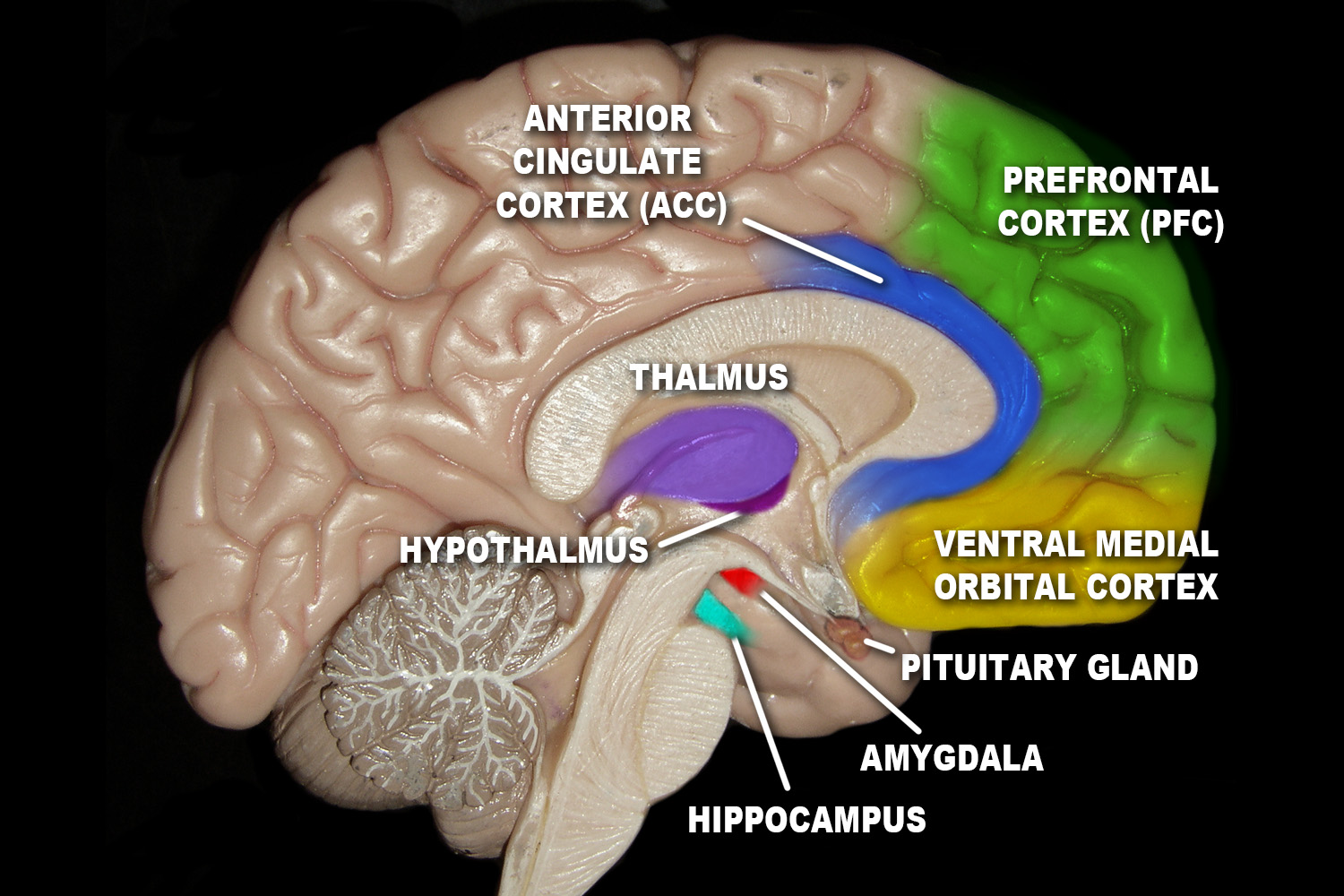
When we believe God concepts that incite fear, the ability to grow spiritually is impaired. It is in the prefrontal cortex (located right behind the forehead) where we reason, plan, organize, focus, concentrate, and self-restrain. It is also in the prefrontal cortex where we have our conscience, redirect inappropriate behavior, and worship. A special part of the frontal cortex, called the anterior cingulate cortex (ACC) is our neurological “heart.” It is here where we experience altruistic love and empathy.  The ACC is also the seat of the will, the place we choose right from wrong. The proverb, “As a man thinks in his heart so is he” (Proverbs 23:7) is referring to the ACC.

Amazingly, brain research has demonstrated that people 60-65 years of age who meditated on a God of love, just 12 minutes a day for 30 days, experienced measurable growth in the ACC of their brains. This was directly correlated with reductions in heart rate, blood pressure and a 30% improvement in memory testing  [ii]. Meditating on a God of love reduces fear and is healing to our being. Science confirms what the Bible tells us, “perfect love casts out all fear” (1John 4:18).

But, just as strikingly, brain research confirmed that meditating on angry, wrathful and punishing god concepts did not result in positive growth in the ACC, nor provide the beneficial reductions in blood pressure, heart rate, and improvement in memory. In other words, angry or wrathful god concepts do not heal the brain, improve love, or enhance prefrontal cortex function. Instead, believing such concepts activates the fear circuits of the brain and contributes to impairments in healthy growth, thinking, reasoning, and relationships.

Love acted out is also healing. Research documents that youth who volunteered (love others with acts of altruism) experienced greater academic achievement, civic responsibility, and life skills that include leadership and interpersonal self-confidence than those who didn’t [iii]. And adults who volunteered (after accounting for variables such as education, baseline health, smoking, etc.) lived longer, had less illness, less disability, less depression, less dementia, and lived independently longer than those who did not [iv].

Fear is our enemy, it infects us, drives us toward destructive thinking, living and reacting. Whereas, love is the only power capable of freeing our hearts from fear and bringing genuine healing to our minds, bodies and relationships. So love well. Love always.

You can download a pdf of the full article Dr. Jennings posted in 2010


Iraqi war stunts children’s growth https://www.sciencedaily.com/releases/2010/03/100329082121.htm

[ii] Newberg, A. How God Changes Our Brain. Ballantine Books, New York. 2009: p.49.

[iii] Post, S. Altruism and Health Perspectives from Empirical Research, Oxford University Press, New York, 2007: p. 20, 21).

[iv] Ibid. p. 22, 26

Timothy R. Jennings, M.D., is a board-certified psychiatrist, master psychopharmacologist, Distinguished Life Fellow of the American Psychiatric Association, Fellow of the Southern Psychiatric Association, and an international speaker. He served as president of the Southern and Tennessee Psychiatric Associations and is president and founder of Come and Reason Ministries. Dr. Jennings has authored many books, including The God-Shaped Brain, The God-Shaped Heart, and The Aging Brain.

Dr Tim Jennings Blogs

FASTING: WHAT’S THE POINT?

Used by Permission: by Dr. Tim Jennings

Please explain Fasting to me. I have never understood this topic too well. It seems that fasting is a way to make God answer your prayer when He wont answer it otherwise.

Somehow that doesn’t seem to fit too well with all that I have been learning about His character. I have a prayer request that I have been presenting to God with no answer and I was thinking about fasting but then I realized that the only reason I am fasting is because I am trying to convince God to answer my prayer even though He promises to give us all we need. So my question is. What exactly is fasting? What purpose does it serve? Are there different kinds of fasting? Does it change Gods attitude or mind toward us? Or does it change us toward Him?


You are not alone in your uncertainty about fasting. As a child I always wondered why abstaining from food was called a fast when it went by so slow? Many have struggled with understanding the purpose of fasting and have falsely concluded it is a work, penance, action we can take to somehow influence God. This conclusion occurs when we first believe God is the kind of being who needs to be influenced to be kind, loving, gracious and interested in our welfare. When we realize that God is exactly as Jesus revealed Him to be then we realize that, whatever the purpose of fasting, it is not to influence God.

Misconceptions about fasting have been around a long time. In the book of Isaiah we read that the people fasted as a work to somehow influence God, but simultaneously went around living selfishly and out of harmony with Him. So God corrects them and tells them that real fasting is not mere denying oneself food, but to say no to selfishness and yes to loving others. It is in living with hearts that have been renewed to be like Jesus that we can have certainty that God will answer our prayers.

“Is not this the kind of fasting I have chosen: to loose the chains of injustice and untie the cords of the yoke, to set the oppressed free and break every yoke? Is it not to share your food with the hungry and to provide the poor wanderer with shelter— when you see the naked, to clothe him, and not to turn away from your own flesh and blood? Then your light will break forth like the dawn, and your healing will quickly appear; then your righteousness will go before you, and the glory of the Lord will be your rear guard. Then you will call, and the Lord will answer; you will cry for help, and he will say: Here am I. Isaiah 58:6-9.

Then what about fasting from food, what is its purpose? When we eat we shunt blood to the digestive organs, this slows the thinking and causes the release of certain polypeptides which have neurological impact. Fasting can help improve our mental focus, clear the mind, reduce distractions and allow for better contemplation, meditation and appreciation of spiritual themes. In other words, in a time of crisis fasting may help a person understand more clearly what God is trying to communicate to them and thus enhance the ability find answers to their dilemma.

Timothy R. Jennings, M.D., is a board-certified psychiatrist, master psychopharmacologist, Distinguished Life Fellow of the American Psychiatric Association, Fellow of the Southern Psychiatric Association, and an international speaker. He served as president of the Southern and Tennessee Psychiatric Associations and is president and founder of Come and Reason Ministries. Dr. Jennings has authored many books, including The God-Shaped Brain, The God-Shaped Heart, and The Aging Brain.

Dr Tim Jennings Blogs

YOGA: HEALTHY OR NOT?

Used by Permission: by Dr. Tim Jennings

The topic I would like to request is a topic that I have heard good Christians support and other good Christians decry. The topic is the benefits or detriments of Yoga. I guess I would like to know if Yoga is something a Christian should participate in?

Thank you


Thanks for your question. The reason you may have heard a variety of viewpoints on yoga is that yoga has many forms and can mean different things. For example, consider the word exercise. Exercise can have many permutations. We can engage in physical exercise, mental exercise, religious or spiritual exercise. We can exercise demons, engage in military exercises and so forth. Likewise the term yoga can be applied to a range of experiences.

Traditionally, yoga refers to a variety of physical and spiritual exercises or disciplines that originated in India. In many Eastern religions, such as Buddhism, Hinduism and Jainism, yoga is often associated with certain forms of meditation. These meditations generally do not include communion with a personal God as revealed in Jesus.

Within Hinduism yoga also refers to six different schools of philosophy. Within these philosophies a series of healthy principles are espoused, such as the five abstentions: non-violence, non-lying, non-covetousness, non-sensuality, non-possessiveness. Other healthy principles include purity, contentment, austerity, study, surrender to god (however there are many god concepts which are not healthy), mental discipline and the study of nature.

The mental disciplines of yoga trend toward an emptying of self, or self-denial, but without the focus on a real, loving, personal God as revealed in Jesus. This leaves practitioners operating under their own strength in their effort to overcome human weakness and propensity to selfishness. Without the supernatural indwelling of the Holy Spirit all such human effort will fail. In Eastern religions there is a very subtle danger. The practitioners’ agenda is to empty self, over come self, deny self, which is the very goal of Christianity. However, in Eastern religions the worshipper does this by their own effort, works and mental discipline so that while their focus is to “overcome self” they actually elevate self. Without the supernatural work of the Holy Spirit selfishness cannot be eradiated from the heart.

One should not conclude however, that the Holy Spirit will not reach out to practitioners of yoga. It is not our place to judge and the Bible gives every indication that the Holy Spirit is working to reach all people who sincerely are following the truth as they know it. But without the revelation of Jesus Christ, as revealed in Scripture, Eastern religions are not the best source of truth about God and their practices can obstruct or delay a person from coming to the true knowledge of God as revealed in Jesus. Therefore, I personally do not recommend the religious practices of Eastern religions.

However, in Western society yoga is most often associated with its physical exercises and postures and it is this aspect that most westerners practice. To the degree that the practice of yoga is restricted to the physical postures and exercises it can be quite beneficial and health promoting and I do recommend people engage in routine exercise to keep their bodies as youthful and fit as possible. The exercises and postures of yoga are one means to improve our physical health.

Therefore, the next time you hear a person espouse the benefits of yoga and another person its dangers, clarify exactly what the person means when they use the term yoga.

Timothy R. Jennings, M.D., is a board-certified psychiatrist, master psychopharmacologist, Distinguished Life Fellow of the American Psychiatric Association, Fellow of the Southern Psychiatric Association, and an international speaker. He served as president of the Southern and Tennessee Psychiatric Associations and is president and founder of Come and Reason Ministries. Dr. Jennings has authored many books, including The God-Shaped Brain, The God-Shaped Heart, and The Aging Brain.

Dr Tim Jennings Blogs

Five Requirements for Physical Life: An Object Lesson for Spiritual Life

Written By Dr. Tim Jennings, Come and Reason Ministry

There are five requirements for physical life, health, growth, and development, and God uses these five elements to teach us truths about spiritual life and health.

The five requirements for physical life are air, water, food, rest, and exercise. Let’s examine how each of these elements have a corresponding spiritual application.

Element One: Air

In order to live physically, we must breathe. Inhaling oxygen is a requirement for life, as well as exhaling carbon dioxide. This is breathing, the active exchange of gases that physical life functions upon.

When God created Adam, He breathed into Adam the “breath of life” and Adam became a living being (Genesis 2:7). The breath of life represents the life-giving spark, energy, the vitalizing or animating power that comes from God. We do not possess life apart from God. We do not have life original to ourselves; rather, our life comes from God.

Jesus told Nicodemus,

I tell you the truth, no one can enter the kingdom of God unless he is born of water and the Spirit. Flesh gives birth to flesh, but the Spirit gives birth to spirit. You should not be surprised at my saying, “You must be born again.” The wind blows wherever it pleases. You hear its sound, but you cannot tell where it comes from or where it is going. So it is with everyone born of the Spirit (John 3:5–8 NIV84).

Jesus first comments upon the physical birth of the flesh, with its amniotic fluid (when a woman’s water breaks), then describes the new birth brought about by the Holy Spirit. Notably, in the Greek, the word for spirit is pneuma, from which we get the words pneumonia and pneumatic; it is translated into English as either spirit, wind, breath, or ghost—as in the Holy Ghost or giving up the ghost.

When a person dies, they stop breathing and are described as having “expired,” which means an end, a termination, but also to exhale—or in this case, to breathe one’s last breath.

Let’s look at two versions of Luke 23:46, which says this about Jesus’ moment of death:

  • KJV: “And when Jesus had cried with a loud voice, he said, Father, into thy hands I commend my spirit: and having said thus, he gave up the ghost.”
  • NIV84: “Jesus called out with a loud voice, “Father, into your hands I commit my spirit.” When he had said this, he breathed his last.”

Just as we need air for our bodies to live, we need the presence of the Holy Spirit to live, grow, and thrive spiritually. The action of breathing is a well-known sign of life, and to live in God’s kingdom we must inhale the Spirit of God and breathe out in our words and actions the truth and love of God in how we live and treat others, which is the sign of a new life in Christ. Jesus said:

All men will know that you are my disciples, if you love one another (John 13:35 NIV84).

The life-giving power of love comes from the Spirit of God, the animating power that recreates us in His image and through whom we partake of the divine nature (2 Peter 1:4).

The Spirit gives life; the flesh counts for nothing (John 6:63 NIV84, emphasis mine).

We say this because we have confidence in God through Christ. There is nothing in us that allows us to claim that we are capable of doing this work. The capacity we have comes from God; it is he who made us capable of serving the new covenant, which consists not of a written law but of the Spirit. The written law brings death, but the Spirit gives life (2 Corinthians 3:4–6 GNT, emphasis mine).

Air is the most critical element we need to physically live—deprivation of oxygen causes death more quickly than the loss of any of the other elements. Likewise, cut off from the Spirit of God, we do not have spiritual life. It is only through the life-giving connection with the Holy Spirit that we are reborn and experience a new life—an eternal life in Christ.

Element Two: Water

Our bodies are approximately 60 percent water, and water is essential for life, health, and functioning. Without water, physical life will cease.

Water refreshes, washes away dirt, cleans wounds, and is essential for physiological life. To the Israelites, the ancient nomadic people who lived in an arid land and through whom God provided the Scriptures, water was understood to be life—and water came to symbolize life.

Jesus told the woman at the well:

If you knew the gift of God and who it is that asks you for a drink, you would have asked him and he would have given you living water … [and] whoever drinks the water I give him will never thirst. Indeed, the water I give him will become in him a spring of water welling up to eternal life (John 4:10, 14 NIV84).

In the book of Revelation, Jesus tells His faithful:

I am the Alpha and the Omega, the Beginning and the End. To him who is thirsty I will give to drink without cost from the spring of the water of life (21:6 NIV84).

And the apostle Paul wrote,

He saved us through the washing of rebirth and renewal by the Holy Spirit (Titus 3:5 NIV84).

The Holy Spirit is described as the Spirit of both truth and love (John 14:17; Romans 5:5, 15:30). Our minds are cleansed of the lies of Satan through the truth brought by the Holy Spirit, and our hearts are cleansed from fear and selfishness by the love brought by the Holy Spirit.

And just as we are to drink physical water every day, so also we are to drink in the truth and love of God via the indwelling Spirit every day to maintain our health, vitality, and development.

And just as in this world we become dirty and clean our bodies with a bath, and quickly become dirty again and need to bathe again, so also after having our hearts and minds washed by the Holy Spirit, this evil world of sin assaults us with new falsehoods, mistreatment, accusations, exploitations, abuses, disappointments, loss and grief, temptations—all kinds of “dirt” that works its way into our thoughts and feelings, and needs to be removed. It is through the life-giving connection with the Holy Spirit that we daily wash our hearts and minds in the truth and love of God in order to prevent the dirt of this world from darkening our hearts.

In order to have spiritual life and health, after partaking of the Holy Spirit and being reborn, we must drink in the truth and love of God to be cleansed from past guilt, shame, fear, heartaches, discouragement and to be invigorated with new motives and empowered for victorious living. We must daily drink the water of life!

Element Three: Food

In order to be physically healthy, we must not only breathe air and drink and bathe in water, but we also must ingest food to provide proper nutrition and energy.

The Bible uses the metaphor of food for our bodies to teach the truth about food for our souls. Jesus said:

I tell you the truth, unless you eat the flesh of the Son of Man and drink his blood, you have no life in you. Whoever eats my flesh and drinks my blood has eternal life, and I will raise him up at the last day. For my flesh is real food and my blood is real drink. Whoever eats my flesh and drinks my blood remains in me, and I in him. Just as the living Father sent me and I live because of the Father, so the one who feeds on me will live because of me. This is the bread that came down from heaven. Your forefathers ate manna and died, but he who feeds on this bread will live forever” (John 6:53–58 NIV84, emphasis mine).

Jesus is the Word made flesh (John 1:1, 2, 14). When we eat physical food, meat or bread, the food is broken down into molecules that 1) give us energy and 2) also get reassembled to become the building blocks of the various tissues of our bodies. Likewise, as we ingest Jesus, the “Bread of life” who is the source of all truth, we are ingesting the truth of God as embodied, lived out, and revealed by and in Jesus.

These eternal truths, as they are taken into our hearts and minds, become building blocks of our ideas, beliefs, perspectives, schemas, values, and morals, and they form the way we see and understand reality. Just as our bodies are built out of the food we eat, so too our minds, hearts, and characters are transformed, rebuilt, and purified as we feed on the truth of God that is found in Jesus Christ.

And just as the quality of physical food has a direct impact on our physical health, so also the quality of our spiritual food directly impacts our spiritual health. Junk food might taste good and be filling, but it ultimately undermines health, causing physical disease and shortening life. Likewise, “junk” theology, ideas and so-called “truths” that people ingest because it might “taste good” and be “filling,” ultimately causes all kinds of spiritual and relational sickness.

For there will come a time when people will no longer listen to reason, truth, or evidence. Instead, in harmony with their selfishness, they will amass professors, teachers and theologians to delight them with what they want to hear. They will refuse to listen to reason and truth, and–instead embrace fantasies (2 Timothy 4:3, 4 REM).

The Spirit plainly says that in the last days, some will reject the Remedy and promote a deadly false concoction originating in the minds of demons. These toxic constructs are peddled by deceptive charlatans whose characters have been forged in the Satanic mold. They oppose God’s design for life — like marriage, and eating the foods God created to be eaten — which brings blessings to those who know and love God (1 Timothy 4:1–3 REM).

If we want to be spiritually healthy, we must not only be reborn by the Spirit, cleansed in heart and mind by the truth and love of God, but we must also reject the corrupting philosophies of this world and daily partake of heavenly food—the Word that was made flesh, the eternal truths that originate in and lead us back to God and from whom all life, health, and happiness are built. 

Element Four: Rest/sleep

Just as our physical bodies need rest and sleep, so also we need spiritual rest.

After God created Adam and Eve, while they were still in a sinless, Edenic paradise, their first full day was spent in Sabbath rest with God. That rest was not a physiological rest; it was spiritual rest, the rest and peace of loving unity with God; the rest and peace of experiencing oneself being loved, cherished, and valued for who one is and not for some work or performance; the rest and peace of not having to prove oneself, of not having to earn one’s way, of not having to work for approval, of not having to fight for affection; the rest and peace of intimacy and loving connection with God, with a corresponding love, admiration, and appreciation for God as their Designer, Creator, and Friend. This rest is the spiritual rest of being fully known by God and in turn knowing God (John 17:3).

God has prescribed for our spiritual health one day in seven to come apart from the cares of this world and rest in Him. Just as Adam and Eve rested before they went to work in the garden, so also we must first be reborn, be cleansed by the washing of the Spirit, ingest the Word of truth, and rest in loving relationship with Jesus before we are prepared and enabled to work in the Lord’s cause.

Jesus said,

Come to me, all you who are weary and burdened, and I will give you rest. Take my yoke upon you and learn from me, for I am gentle and humble in heart, and you will find rest for your souls. For my yoke is easy and my burden is light (Matthew 11:28–30 NIV84).

Spiritual health starts by being reborn, then cleansed, then nurtured, and then resting our cause, our life, our health, our future, our everything into the hands of Jesus. We must rest in Him, rest in intimate connection, and in doing so, we are transformed by both experiencing His love for us and responding with loving admiration and appreciation for Him. We must stop the work of trying to save ourselves, the desperate and frantic effort to prove ourselves, to earn our way, to be “good enough.” For “we are God’s special creation brought to existence by Christ Jesus to showcase his character—his living law of love—which was always God’s design for us” (Ephesians 2:10 REM). Come to Jesus and rest in His loving arms!

Element Five: Exercise

All physical and mental development, growth, and advancement occur only through physical and mental exercise, through application, through purposeful action. This is the law of exertion. After Adam and Eve rested that first Sabbath in their relationship with the Lord, God gave them useful labor to engage and apply their abilities for their growth and development (Genesis 2:15).

If you want to become strong in any way, you must exercise that ability. If you want strong muscles, you must exercise; strong math ability, you must work problems; strong musical skills, you must practice your instrument. And if you want to be strong in the things of God, then you must choose to live out and apply in life the principles and methods of God.

If we don’t use it, we lose it. Jesus taught this reality in the parable of the talents (Matthew 25:14–30). Those servants who invested and used their talents gained more. Likewise, when we apply ourselves and use the abilities God has given us, we gain more skill, insight, wisdom, and we grow in godliness. But if we bury our talents, then we lose what we had. If we don’t actively choose to live out the principles of God, then while we may claim legal salvation, our spirits atrophy and we become spiritually weaker and less capable of fulfilling God’s purpose for our lives.

I encourage you to be spiritually healthy—to be reborn, washed and cleansed by the Spirit, nurtured by ingesting the truth of God into our hearts and minds, rest in the goodness and grace of God, and actively choose to apply God’s principles to your life in all that you do.”

Spiritual Healing

Covid And The Manipulation of Your Mind

On July 15-16th, 2022 some of America’s top doctors and scientists in the areas of pharmaceutical and environmental toxins, including Timothy R. Jennings, M.D., DLFAPA, presented a two-day summit in Grand Rapids, Michigan.

The Summit was an opportunity for providers and patients alike to hear the evidence-based science on some of the most controversial topics we face today in Federal and professional organization regulatory oversight and healthcare.  

Timothy R. Jennings, M.D., DLFAPA, gives a 54 minute lecture to attendees of The United For Healthcare Summit on July 15, 2022 in Grand Rapids, MI and details 19 lies told to the world population by world and national governmental health agencies and the 9 step process used to manipulate your mind to believe those lies.