
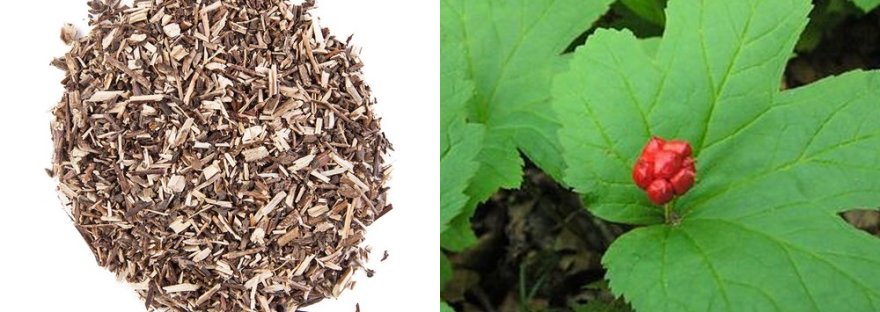
A friend once dropped by on an afternoon when I was deep in edits for my autobiography, nursing a burning case of pink eye she had caught from her daughter, who had just started school. We went up to my room, where I keep my own bottle of this eyewash, and flushed her eye right there. The discomfort was gone almost immediately, and we spent the next hour working through my manuscript together. She never once put that bottle down. When I offered to send her home with a fresh one, she wouldn’t hear of it; she took the very bottle she’d been holding. I still laugh about it. You could see how much relief she felt just in how tightly she held on.
This seven-herb blend is built around eyebright, the herb it’s named for. It’s a gentle eyewash for everyday eye trouble: pink eye, styes, and the tired, watering, irritated eyes that come from allergies, screen time or a long day.
What a Good Eyewash Formula Contains
A good eyewash formula might contain these seven herbs:
- Eyebright, 4 parts. The namesake and the most direct eye herb, with a long history in eyewashes. It is astringent, calms inflammation, and is rich in vitamin A, the “eye vitamin.”
- Goldenseal Root, 4 parts. A cleansing tonic for the mucous membranes, long used to wash the eyes.
- Rue Flower, 4 parts. An old-world herb with a centuries-old reputation for supporting eyesight and easing eye strain.
- Mullein Flower, 4 parts. Soft and soothing, calming irritated tissue.
- Red Raspberry Leaf, 4 parts. A gentle astringent that tones and tightens irritated tissue. It was part of the original eyebright eyewashes generations ago.
- Fennel Seed, 4 parts. Fennel tea has its own long history as a wash for inflamed eyes.
- African Bird Pepper, 1 part. A small amount for circulation. It gets the eye’s own tiny blood vessels flushing, and that matters more than its size suggests.
“Parts” can be any measure you like, as long as you use the same one for every herb. By weight, that’s 4 ounces each of the first six herbs and 1 ounce of the pepper.
Putting It Together
Put the dry herbs in a glass jar and pour in 80-proof vodka. Once the herbs have settled, you want about 60% herb sediment on the bottom and 40% liquid on top. Shake the jar every day. The traditional timing follows the moon, from the new moon to the full moon, about two weeks. I prefer to let my extracts sit a full three months, which makes them good and strong. Then strain and bottle the liquid.
How to Flush the Eyes
- Set up both eyecups at once, and have a cold, wet washcloth ready, wrung out from a bowl of ice water.
- Put 1 to 3 drops of the extract in each eyecup first, then pour in room-temperature distilled water. Pouring the water on top mixes the drops in.
- Always flush both eyes, even if only one is bothering you. Fit the cup over the eye, tip your head back and open the eye into the wash. If it wants to shut right away the first time, that’s normal; rest a moment, use the cold cloth if it helps, and try again. Then do the other eye.
- Expect a minute or two of real sensation, more if the eye is very irritated. That is the circulation flooding into the eye and then receding, carrying waste out with it, which is exactly what you want. When it settles, the eye feels much better, with no more grittiness or soreness.
Alternate which eye you start with each time. The second eye tends to resist opening a little, simply because it noticed what happened to the first.
This is shared for educational purposes, from my own study and experience. It is not medical advice.


