
Bleeding gums, loose teeth and gum infections don’t have to be the slow slide they so often are. Two simple herbal formulas, one a rinse and one a powder, work beautifully together to bring circulation back into the gums, tighten loose teeth and clear infection from the mouth.
The idea behind them is an old one. Native Americans would place thin strips of inner oak bark between the gums and lips and leave them there through the day or night, and it would heal sores of the gums and tighten loose teeth.
The Tooth and Gum Rinse
This formula increases the circulation to the teeth and gums. Used regularly, it helps tighten teeth and gums and stop the bleeding that comes with plaque buildup and gingivitis. It is antibacterial and antifungal, and goes after oral infection on contact.
A good tooth and gum rinse might contain:
- Echinacea, 20 parts. The largest part, a strong immune herb that fights infection in the mouth on contact.
- Bayberry Bark, 8 parts. A strong astringent that tightens and tones spongy, bleeding gums.
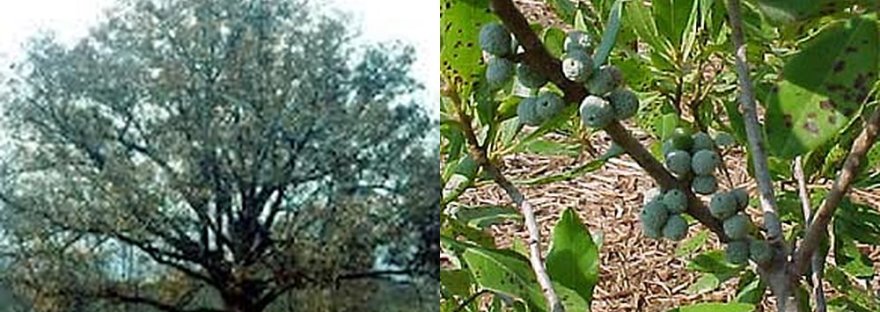
- White Oak Bark, 4 parts. One of the great astringents, long used to firm the gums and tighten loose teeth.
- Cayenne (Habanero), 2 parts. Drives fresh circulation into the gums and the roots of the teeth.
Tea Tree, Peppermint and Clove essential oils are stirred in after the herbs are extracted. Tea Tree is antibacterial and antifungal, Clove soothes and numbs, and Peppermint freshens.
Put the dry herbs in a glass jar and pour in 80-proof vodka. Once the herbs have settled, you want about 60% herb sediment on the bottom and 40% liquid on top. Shake the jar every day. The traditional timing follows the moon, from the new moon to the full moon, about two weeks. I prefer to let my extracts sit a full three months, which makes them good and strong. Then strain and bottle the liquid.
How to use it: for best results, use a water pik. Put 4 to 6 droppersful in the reservoir with warm water and use the strongest setting you can tolerate; used daily, gum bleeding often stops within about a week. Or add 2 droppersful to 2 ounces of water and rinse thoroughly, swishing and straining the water through all the teeth. It can also be massaged directly into the gums with a cotton swab.
The Tooth Powder
This powder helps strengthen the gums against bleeding and pyorrhea-type infections, helps tighten loose teeth, and brightens the teeth’s luster. A good tooth powder might contain these seven powdered herbs:
- Comfrey Root, 6 parts. The largest part, valued for soothing and knitting tissue back together.
- White Oak Bark, 3 parts. Firms the gums and tightens loose teeth.
- Horsetail Grass, 3 parts. Rich in silica, which the body uses to build strong bones and teeth.
- Peppermint, 3 parts. Freshens the mouth and gives the powder a clean taste.
- Oatstraw, 1 part. A gentle, mineral-rich food for bones and teeth.
- Cloves, 1 part. Soothes sore gums and helps fight infection.
- Lobelia, ½ part. A small amount to relax and carry the other herbs into the tissue.
Mix the powders well and keep them in a tightly closed jar.
How to use it: to brush, wet your toothbrush, dip the damp bristles in the powder and brush as usual. For problem gums, mix about a tablespoon of powder with a little distilled water into a firm, fairly dry paste, pack it under the gums and around the teeth on the upper and lower jaws, and leave it on all night. If it won’t stay in place, wrap the paste in gauze. For severe cases, pack it six nights a week, while brushing regularly, until there is clear improvement, then go on brushing with the powder.
“Parts” can be any measure you like, as long as you use the same one for every ingredient.
A Word About Black Walnut and the Teeth
A member once asked about a “Dr. Christopher dental formula” made mostly of black walnut hulls. I searched Dr. Christopher’s material and could not find it; the tooth powder above is the only one he wrote of. I would also have great reservations about putting black walnut directly on the teeth. Black walnut is an excellent dye and could likely dye the teeth black. It is the strongest herb in nature for clearing fungus, and it is high in calcium, so if it is found of value for the teeth, take it as an extract in a cup of tea rather than applying it to the teeth.
For more, see Infection: Teeth, Gums & Mouth and Herbal Aids for Clearing an Infection in the Teeth and Gums.
This is shared for educational purposes, from my own study and experience. It is not medical advice.


