
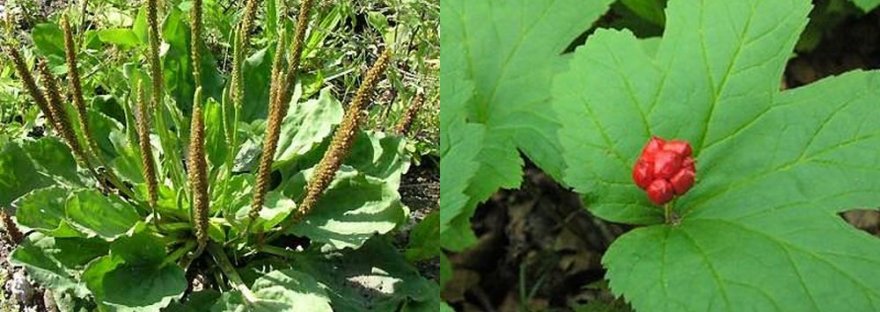
Some wounds need more than closing. A deep gouge, an ulcer that has eaten into the flesh, a bedsore, or any serious injury where tissue has been lost has to fill back in from the bottom up. For these, I reach for a healing poultice: a blend of powdered herbs packed right into the wound, where it forms a protective herbal scab and feeds the body the raw materials it needs to grow new flesh. The wound grows shallower as the tissue fills in, healing from the inside out, often with little or no scarring.
First, Clear Any Infection
Before you begin, the wound has to be clean. Infection left in a wound will keep it from healing no matter what you put in it. So any time you are working to heal an ulcer or a deep wound, use the charcoal and flaxseed drawing poultice first, to be sure the area is clear of bacteria and infection. Once it is clean and clear, start the healing poultice.
What a Good Healing Poultice Contains
A good healing poultice might contain these five herbs, all powdered:
- Slippery Elm Bark, 4 parts. The heart of the blend. Its soothing mucilage binds the paste together, protects tender tissue and nourishes it.
- Plantain, 2 parts. A classic wound herb, used for generations to draw out infection and support healing.
- Goldenseal Root, 1 part. Long used to keep tissue clean and support it against infection.
- Comfrey Root, 1 part. Known as “knitbone,” used to support the growth of new cells and tissue.
- Cayenne, a pinch. Brings circulation into the area and helps stop bleeding.
“Parts” can be any measure you like, as long as you use the same one for every herb.
Making and Applying the Paste
Mix a small amount of the powder with distilled water, aloe vera juice or aloe vera gel into a stiff, mud-like paste. Once any bleeding is under control and the wound is clean, fill the open wound with the paste and cover it with gauze or another natural-fiber bandage. Natural fiber lets the skin breathe; under plastic, the cayenne can feel hot.
As it dries, the poultice often hardens into a protective herbal scab. Each day, take off the bandage and soak or rinse the area during the daily bath. If the poultice washes out, pack the wound again and cover it. If the scab holds, just add more paste on top as needed. Don’t worry if some of the material stays in the wound; the body takes it in and uses those nutrients to grow new flesh.
Ulcers and Bedsores
Ulcers and bedsores need circulation brought back into the area. Before each application, soak the area in hot cayenne water, made with ½ teaspoon of cayenne tincture to each gallon of hot water. Feet can soak right in it. For sores on the back or bottom, soak a towel in the hot cayenne water and lay it over the area, changing it as it cools, for half an hour. Alternating hot and cold, 7 of each, during the daily bath helps too.
Infection salve around the top edges of the ulcer speeds the healing. Keep it to the edges, though; the oily salve makes it hard for the poultice to stay in the wound.
Here is my video on caring for wounds and bedsores:
This is shared for educational purposes, from my own study and experience. It is not medical advice.


