Brain, Nerves & Sleep, Herbal Healing, Herbs & How to Use Them

Food for a Low Mood

Low mood is rarely just in the mind. A brain that isn’t getting enough blood flow, a thyroid running low, a liver and bowel holding onto waste, a body worn out from a long stretch of stress: any one of these can leave a person flat, foggy and discouraged. A good mood formula works on all of them at once. It lifts the mood itself, eases the anxiety that often rides along with it, and feeds and clears the body that the mind lives in.

What a Good Mood Formula Contains

A good formula for a low mood might contain these six herbs:

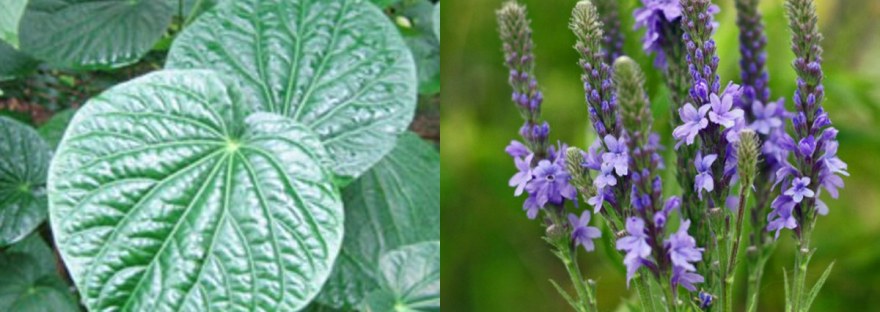
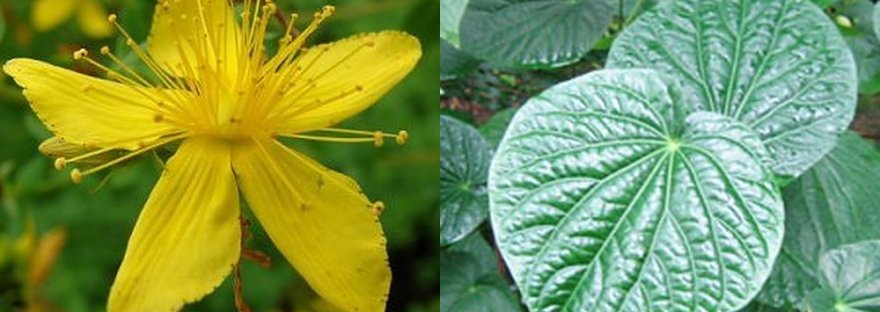
  • St. John’s Wort, 4 parts. The lead herb. It is long used for mild to moderate depression, helping keep more of the brain’s own mood chemicals active.
  • Kava Kava, 2 parts. Eases anxiety and muscle tension and brings relaxation without dulling the mind. Unlike many calming herbs, it settles stress while letting you stay alert.
  • Uva Ursi Leaf, 2 parts. Supports the kidneys as an elimination organ, helping the body clear waste and ease bloating and water retention.
  • Hawthorn Berries, 1 part. Improves blood flow and oxygen delivery to the heart and the rest of the body, the brain included.
  • Yellow Dock, 1 part. Supports the liver and gets the bowels moving, so waste leaves the body instead of circulating back through it. It also helps the body absorb iron.
  • Kelp, 1 part. A rich natural source of iodine, the raw material the thyroid needs. A thyroid running low brings on fatigue, apathy and brain fog that can look exactly like depression.

“Parts” can be any measure you like, as long as you use the same one for every herb. By weight, that’s 4 ounces of St. John’s Wort, 2 each of Kava and Uva Ursi, and 1 each of Hawthorn, Yellow Dock and Kelp.

Putting It Together

Put the dry herbs in a glass jar and pour in 80-proof vodka. Once the herbs have settled, you want about 60% herb sediment on the bottom and 40% liquid on top. Shake the jar every day. The traditional timing follows the moon, from the new moon to the full moon, about two weeks. I prefer to let my extracts sit a full three months, which makes them good and strong. Then strain and bottle the liquid.

How Much and How Often

  • For serious issues: 1 tablespoon twice a day.
  • Always with Echinacea at this level. The work these herbs do in the brain creates die-off, and Echinacea supports the body through it so there’s no backlash from the higher dose.

From my own experience, this dose has been very useful during times of emotional crisis.

After a Panic Attack

This formula pairs well with the nerve food formula I wrote about in Food for a Frayed Nervous System. When a panic attack strikes, reach for the nerve food first; it acts as the brake that brings the heart rate down and breaks the panic. Once the panic has passed, the body is left exhausted and depleted, and that is where this formula comes in. It keeps the leftover anxiety from building back up and lifts you out of the low that follows.

  • Take the nerve food first, then wait 15 to 20 minutes before taking the mood formula.
  • Keep taking the mood formula steadily for two to three days afterward, even after you feel fine. That gives the nervous system time to rebuild its reserves, so the anxiety doesn’t rebound.

Why Echinacea Keeps the Backlash Away

At the higher dose, some people starting this formula feel a day or two of flu-like malaise: fatigue, a headache, a little nausea or brain fog. I’ve long called it die-off. As the brain adjusts to having more of its own mood chemicals active, and as St. John’s Wort’s strong compounds work through the gut, the body answers with inflammatory messengers called cytokines, and that is what you feel.

Echinacea is a strong immune balancer and anti-inflammatory. Taken alongside the formula, it calms that response, so the headache, fatigue and malaise clear and the backlash never gets started. That is why I always pair the two at this level.

This is shared for educational purposes, from my own study and experience. It is not medical advice.
Herbal Healing, Herbs & How to Use Them, Women's & Men's Health

Keeping the Prostate Clear

The prostate is a small gland with three lobes that make seminal fluid, and the tube that empties the bladder passes right over its middle lobe. In later life the prostate often becomes enlarged, and when it does, it begins to close off that tube. The first sign is usually a weaker stream. Left alone, the blockage can become very serious.

Dr. Christopher taught that the enlargement comes from mucus and sediment collecting in the gland, often in a body whose own male hormones are no longer enough to keep it working well. Sandwich meat slices and beef products are the worst offenders, and they do the prostate no favors. So the work is to clear out what has collected, keep the urine flowing, and feed the gland what it needs.

What a Good Prostate Formula Contains

A good formula for the prostate might contain these nine herbs:

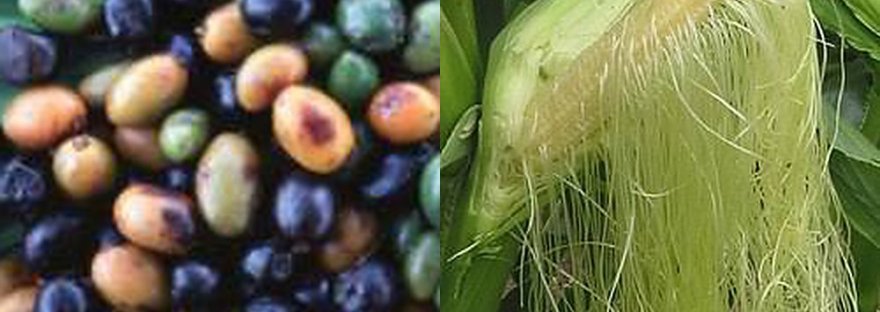
  • Saw Palmetto Berry, 4 parts. The lead herb, and one of the most trusted herbs for men’s health. It has long been valued for supporting the prostate and a healthy balance of male hormones.
  • Pygeum Bark, 3 parts. An African bark used for generations to ease an enlarged prostate and the urinary trouble that comes with it.
  • Nettle Root, 1 part. Works hand in hand with Saw Palmetto to support a healthy prostate and an easier flow of urine.
  • Cleavers, 1 part. A cleansing herb for the lymph and the urinary tract, helping to clear the congestion that collects in the gland.
  • Corn Silk, 1 part. Soothing to the whole urinary tract, easing irritation and supporting a good flow.
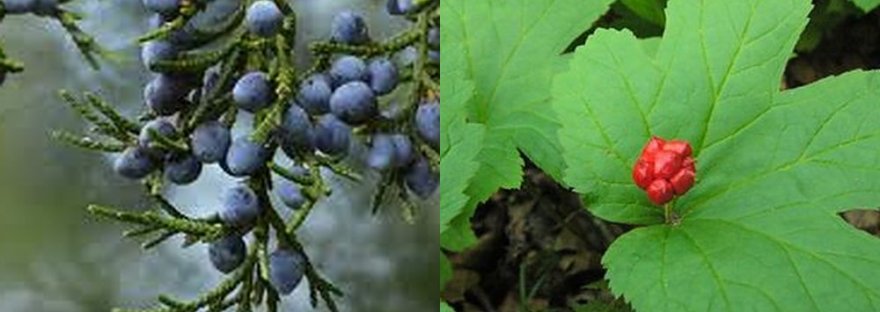
  • Juniper Berry, 1 part. Removes waste through the kidneys, and strengthens and builds the urinary passages and the bladder.
  • Uva Ursi Leaf, 1 part. A classic herb for the urinary system, toning and cleansing the tract.
  • Thuja Leaf, 1 part. Long used for growths and congestion in the glands.
  • Oat Tops, 1 part. A nourishing food for the nerves and a traditional support for male vitality.

“Parts” can be any measure you like, as long as you use the same one for every herb. By weight, that’s 4 ounces of Saw Palmetto, 3 of Pygeum and 1 ounce each of the other seven.

Putting It Together

Put the dry herbs in a glass jar and pour in 80-proof vodka. Once the herbs have settled, you want about 60% herb sediment on the bottom and 40% liquid on top. Shake the jar every day. The traditional timing follows the moon, from the new moon to the full moon, about two weeks. I prefer to let my extracts sit a full three months, which makes them good and strong. Then strain and bottle the liquid.

How Much and How Often

The amount is 1 teaspoon each time. How often depends on how big the issue is:

  • Maintaining a healthy prostate: 1 teaspoon once a day.
  • Issues that are under control: 1 teaspoon two or three times a day.
  • Working through active issues on a good program: 1 teaspoon every three hours, five times a day.

Body size makes a real difference in how much of any formula a person needs, so adjust the amount to what actually works. Going completely meat-free while the prostate is recovering is very important; once the body has recovered, you can decide what you can safely begin eating again. Keep the bowels moving well, too, so the gland isn’t fighting a constant new supply of waste.

This is shared for educational purposes, from my own study and experience. It is not medical advice.
Herbal Healing, Herbs & How to Use Them, Organs & Glands

Steadying the Body Through a Blood Sugar Drop

I’ve dealt with low blood sugar all my life, including what I call “brown-outs.” You can hear what’s happening around you, but you can’t respond. It’s an awful place to be. If you fight hard enough you can pull yourself out of it, but there’s a strong pull to go back under, so sleepy it’s very hard to get moving again.

When I feel that pull coming on, after a larger than usual meal or just an exhausting day when my reserves are low, I take a teaspoon of this formula, and I do not go under. Within minutes I’m feeling like myself again. I may still be tired and in need of rest, but the strong pull to go down hard is gone. It has never failed me.

Our members with blood sugar issues on the high side have had good results too. When a good food program is followed, their numbers often come down into the normal range within days to weeks.

How a Blood Sugar Drop Happens

There’s more than one road to that falling feeling. After a high-carb meal, the body can release more insulin than the moment calls for, and blood sugar drops faster than it rose. Emotional trauma and high stress get there a different way: the stress hormones the body releases to meet the moment burn through its glucose reserves, and blood sugar falls right along with them once the stress passes. Either way, the body ends up in the same unsteady place.

What a Good Pancreas Formula Contains

A good formula for the pancreas might contain these six herbs:

  • Cedar Berries, 16 parts. The master herb. Cedar Berries have long been used as a tonic for the pancreas, and time and again they have proven able to steady blood sugar issues without any ill effects.
  • Uva Ursi Leaf, 6 parts. Supports the urinary system through the extra fluid work that comes with blood sugar swings.
  • Licorice Root, 3 parts. Soothes and supports the adrenal glands, which work hand in hand with the pancreas to keep blood sugar on an even keel.
  • Mullein, 3 parts. A gentle, nourishing herb that rounds out the support for the glands.
  • Cayenne, 2 parts. Stimulates circulation, carrying the rest of the formula to the glands that need it.
  • Goldenseal Root, 1 part. A deeply nourishing herb for the glands, used to support and tone the pancreas.

“Parts” can be any measure you like, as long as you use the same one for every herb. By weight, that’s a pound of Cedar Berries, 6 ounces of Uva Ursi, 3 ounces each of Licorice and Mullein, 2 of Cayenne and 1 of Goldenseal.

Putting It Together

Put the dry herbs in a glass jar and pour in 80-proof vodka. Once the herbs have settled, you want about 60% herb sediment on the bottom and 40% liquid on top. Shake the jar every day. The traditional timing follows the moon, from the new moon to the full moon, about two weeks. I prefer to let my extracts sit a full three months, which makes them good and strong. Then strain and bottle the liquid.

How Much and How Often

  • 1 teaspoon three times a day: first thing in the morning, at midday and last thing at night.
  • When you feel a drop coming on, take a teaspoon right away.

This is a nutritional formula meant for steady, ongoing use, not a quick fix. It can take six months or more of consistent use for its full support to come through. Results come faster the closer you stay to a clean, low-sugar diet, keeping added sugars, soft drinks, candy, pastries and refined bread to a minimum.

Other Ways I Use It

Because it supports the whole glandular system, this is the formula I reach for first whenever I feel “off,” not quite myself. It’s also excellent for marathon runners and other endurance athletes, who often pay for a long run with a serious blood sugar crash afterward. And it is very steadying in times of emotional trauma, when the body’s stress response can pull blood sugar down with it.

This is shared for educational purposes, from my own study and experience. It is not medical advice.
Digestion & Gut, Herbal Healing, Herbs & How to Use Them

Bringing Candida Back Into Balance

If you’ve ever dealt with the fatigue, gas, bloating and brain fog that come with an overgrowth of Candida albicans, you know how miserable and confusing it can be. Candida is meant to be part of a normal, healthy balance in the gut, a small and quiet resident. The trouble starts when it’s allowed to multiply unchecked, and the byproducts of that overgrowth show up as symptoms that don’t seem to add up to any one clear cause.

This is one of the few formulas that didn’t come out of my own kitchen alone. A group of my Natural Healing “daughters,” herbalists I’ve trained and mentored over the years, got on a conference call with me and we hammered this combination out together. I was the guiding force, but it reflects everyone’s input, and it has stuck around because my girls like it and keep asking for it.

What a Good Candida Formula Contains

A good formula for a yeast overgrowth might contain these six herbs, all powdered:

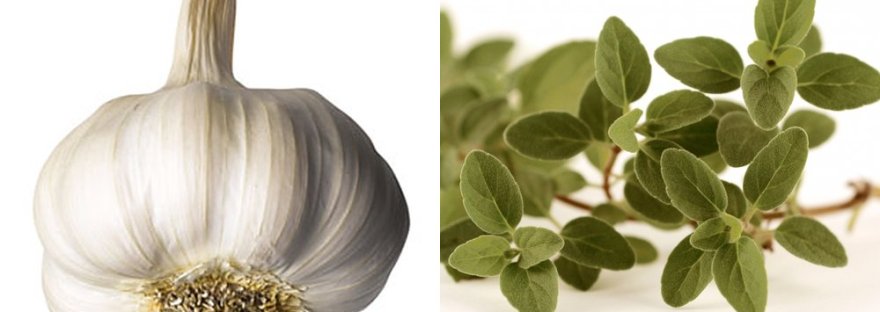
  • Garlic, 4 parts. The lead herb. A powerful antifungal against Candida that leaves the good bacteria you want to keep. It also gives the liver and colon a cleansing boost.
  • Oregano, 2 parts. One of the strongest natural antifungals there is. What I like most is that Candida doesn’t seem to build resistance to it the way it can to some other antifungals.
  • Pau D’Arco, 2 parts. Does two jobs at once. It gently loosens the bowels, not to the point of diarrhea, just enough to wash out the old waste the yeast hides in, and it is a strong antifungal in its own right.
  • Cat’s Claw, 1 part. Strengthens the white blood cells so they can go after Candida and other invaders, and calms inflammation in the gut.
  • Olive Leaf, 1 part. Stirs up the immune response and helps keep blood sugar steady, which matters more than people realize, since extra sugar is exactly what feeds a yeast overgrowth.
  • Ginger Root, 1 part. Ties it all together, easing digestion, supporting circulation and soothing the inflamed gut.

“Parts” can be any measure you like, as long as you use the same one for every herb. By weight, that’s 4 ounces of Garlic, 2 each of Oregano and Pau D’Arco, and 1 each of Cat’s Claw, Olive Leaf and Ginger.

Putting It Together

This one is different from most of my formulas. Instead of an extract, the powdered herbs are mixed well and put into capsules.

How Much and How Often

  • 2 capsules three times a day.
  • With each dose, 15 drops of Black Walnut extract. Black Walnut is one of the strongest natural antifungals around, and it gives the whole approach more backup.

Clearing a Candida overgrowth is rarely a one-ingredient job. Changing what you eat and adding a good probiotic will do as much for your long-term balance as any antifungal. The antifungal herbs are what get you through the overgrowth; you won’t need them forever, just until things settle down. Track how you feel. As the yeast clears, the symptoms go with it.

My Own Approach

As much as I stand behind this formula, my own go-to for a stubborn yeast overgrowth is a strong standalone Olive Leaf extract. It is powerful, so build up to the full amount slowly over a few weeks rather than starting at full strength. That is how I cleared my own yeast issues, which I had in spades after nearly 15 years of living on antibiotics for kidney and bladder infections. If you’ve been on antibiotics for any length of time, you may be in the same boat I was, and there is a way back.

This is shared for educational purposes, from my own study and experience. It is not medical advice.
Food & Nutrition, Herbal Healing, Herbs & How to Use Them

Calcium You Can Actually Absorb

For years I resisted making a liquid calcium formula. Every calcium product I’d ever known was white and chalky: a pill, a powder, something solid you could see and trust. This one is a clear liquid extract, and I had a hard time believing something that looked like water could carry any real value.

But I genuinely needed a good source of calcium. Every calcium capsule I tried, no matter how well regarded, sent my kidneys into fits of pain after a single dose. That sensitivity has held true ever since, even after a great deal of healing in my kidneys over the years.

It took some serious coaxing from my mentor Jackie before I finally relented, collected the herbs and set the formula. When it was ready I took it alongside my daily Superfood, as always. That first evening I was pleasantly floored: my restless legs, which had plagued me for years, didn’t come to visit. Within about a month my fingernails had grown noticeably harder, no longer breaking or peeling the way they used to. And my kidneys had no complaint at all, because I wasn’t taking mineral calcium in the first place.

Why Plant Calcium Works

Calcium does far more than build bone. The body needs it for the nerve sheaths, the walls of the veins and arteries, and the teeth. But most calcium on the shelf is an inorganic mineral, the kind that can be swallowed but not truly assimilated. What the body can’t use, it has to deal with, and the kidneys are often left holding the leftovers.

Dr. Christopher taught that the minerals the body can actually use are the ones that have already gone through plant life: herbs, fruits, vegetables, grains, nuts and seeds. A plant takes the minerals out of the soil and turns them into a form our bodies recognize as food.

What a Good Calcium Formula Contains

A good plant-calcium formula might contain these four herbs:

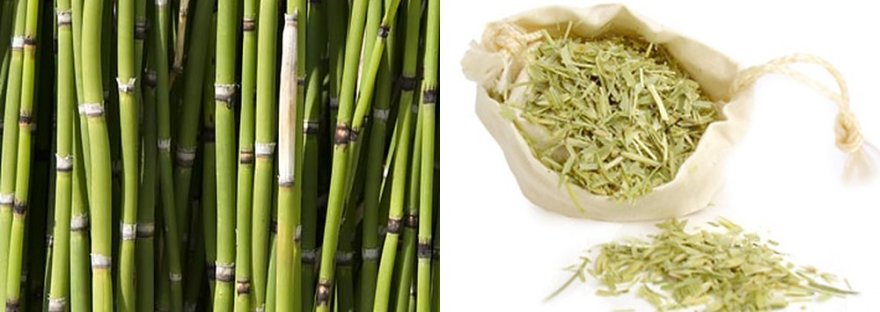
  • Horsetail Grass, 6 parts. The lead herb. It is rich in silica, which the body converts to calcium, and it carries manganese, zinc, iron, magnesium and phosphorus as well.
  • Comfrey Root, 4 parts. Adds its own calcium, phosphorus, potassium and iron, along with allantoin, long credited with speeding tissue repair.
  • Oat Straw, 3 parts. A nourishing herb for the nerves that adds more calcium, phosphorus, potassium and magnesium.
  • Lobelia, 1 part. A small amount that helps carry the rest of the formula where it is needed.

“Parts” can be any measure you like, as long as you use the same one for every herb. By weight, that’s 6 ounces of Horsetail, 4 of Comfrey, 3 of Oat Straw and 1 of Lobelia.

Putting It Together

Put the dry herbs in a glass jar and pour in 80-proof vodka. Once the herbs have settled, you want about 60% herb sediment on the bottom and 40% liquid on top. Shake the jar every day. The traditional timing follows the moon, from the new moon to the full moon, about two weeks. I prefer to let my extracts sit a full three months, which makes them good and strong. Then strain and bottle the liquid.

How Much and How Often

This is a food formula, so it can be used freely. I suggest 1 teaspoon three times a day.

Take it alongside a good whole-food nutrition blend. I discovered over the months that this formula needs that extra nutrition to do its job well.

This is shared for educational purposes, from my own study and experience. It is not medical advice.

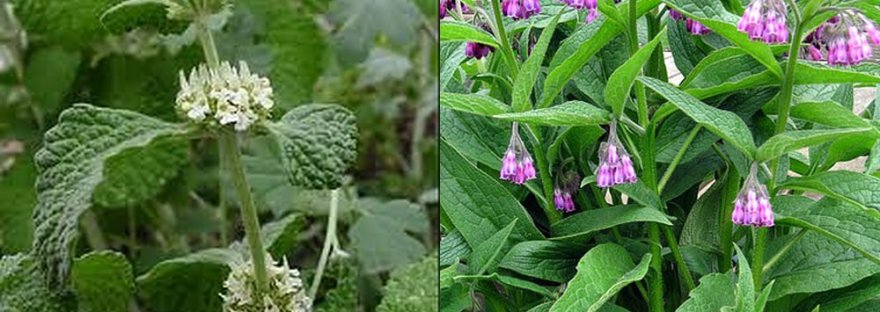
Horehound beside flowering comfrey
Herbal Healing, Herbs & How to Use Them, Infection, Colds & Flu

Clearing a Cough That Won’t Let Go

A man coughing into his fist

Over the weekend a member texted me with a horrid cough, and I realized I had nothing on my blog to send him to. I’ve mentioned this formula in my flu posts for years but never written it up. So here it is.

The bronchial tubes carry air to and from the lungs. They’re lined with a thin layer of mucus that traps dust, germs and irritants before they can reach the delicate lung tissue beneath. When all is well, that mucus stays thin and is cleared quietly, without our ever noticing.

When the bronchial tubes are irritated, that mucus thickens into old, hard debris the body can’t seem to cough out on its own. Left there, it keeps irritating the airway, and the body keeps trying to cough it up. That is how a cold or flu turns into a nagging cough that hangs on for weeks. Stop the coughing by clearing out what is causing it.

One summer, in a vegan cooking class I was teaching, a woman couldn’t stop coughing. She’d been a missionary in Ecuador and had come home so her chronic cough could finally get some attention. She started on this formula, and a cough that had been with her for who knows how long was gone within a week.

What a Good Bronchial Formula Contains

A good formula for clearing the bronchial tubes might contain these seven herbs:

  • Comfrey Root, 4 parts. The lead herb. Comfrey soothes irritated tissue faster than almost anything I know, and it helps loosen the old mucus so it can come up.
  • Horehound, 4 parts. A classic bitter expectorant that breaks up thick, tough phlegm and moves it out of the chest.
  • Boneset, 4 parts. Long used for chest colds, flu and lingering congestion. Its old names, feverwort and ague weed, come from exactly this kind of use.
  • Coltsfoot, 4 parts. Its Latin name, Tussilago, means “cough dispeller.” It is soothing and slippery, and it calms an irritated throat and bronchial tubes while it helps clear them.
  • Elecampane Root, 2 parts. A warming bitter with a long history with old, stubborn chest congestion.
  • Ginger Root, 1 part. The circulation herb. It moves blood and clears waste at the capillary level, carrying the rest of the formula to the tissue that needs it.
  • Lobelia, 1 part. Just a small amount to relax the throat, stomach and bronchial tubes so the rest of the formula can do its work.

“Parts” can be any measure you like, as long as you use the same one for every herb. By weight, that’s 4 ounces each of the first four herbs, 2 ounces of Elecampane, and 1 ounce each of Ginger and Lobelia.

How It Works

Comfrey, Horehound, Boneset and Coltsfoot are all expectorants. Together they help the body loosen and bring up the old, hardened mucus that a cough alone can’t move. Elecampane adds its own warming help with stubborn congestion, Ginger carries the formula where it’s needed, and the touch of Lobelia relaxes the airway so the mucus can come up instead of the coughing just going on and on.

As the old debris clears, the irritation goes with it, and the cough quiets down because there’s nothing left to cough up. It also works very well for general chest congestion.

When a Coughing Spasm Hits

Sometimes a cough turns into a spasm, where you simply can’t stop. For that, take a full dropper of Lobelia extract by itself. Lobelia is one of the best antispasmodics there is, and it relaxes the bronchial tubes quickly so the spasm lets go. You can read more about this wonderful herb in my post LOBELIA.

Putting It Together

Put the dry herbs in a glass jar and pour in 80-proof vodka. Once the herbs have settled, you want about 60% herb sediment on the bottom and 40% liquid on top. Shake the jar every day. The traditional timing follows the moon, from the new moon to the full moon, about two weeks. I prefer to let my extracts sit a full three months, which makes them good and strong. Then strain and bottle the liquid.

How Much and How Often

  • The usual amount: ½ to 1 teaspoon every 3 to 5 hours.
  • When the cough is bad: 1 teaspoon in a mug, filled halfway with boiling water. Sip it warm, about every 3 hours, five times a day.
  • For a coughing spasm: a full dropper of Lobelia extract on its own.

Body size makes a real difference in how much of any formula a person needs, so a smaller person or a child needs less. Adjust the amount to what actually works.

Where It Fits

A cough is often the tail end of a cold or flu, and this formula works right alongside the rest of the infection support I use. For getting the body ready before the season hits, see Getting Ready for Flu Season. For fighting the infection itself, see Our Two Infection Fighters.

This is shared for educational purposes, from my own study and experience. It is not medical advice.

Dark storm clouds over the treetops
1 Corinthians, Bible Studies

The Lord Rebuke Thee

Reflections on 1 Corinthians 10:22

Dark storm clouds over the treetops

“Are we trying to arouse the Lord’s jealousy? Are we stronger than he?” Paul asks in 1 Corinthians 10:22 (NIV). He is still speaking to believers who thought they could eat at the Lord’s table and then sit down at the idol feasts as well. His question goes straight to the heart: do we really think we can handle the enemy on our own ground?

Jude gives us a scene that answers it. When Michael the archangel, whom I understand to be Christ himself, contended with the devil over the body of Moses, he did not argue. He did not debate Satan’s accusations. He simply said, “The Lord rebuke thee” (Jude 9), raised Moses up, and left the devil without another word. All the power in the universe, and he did not even mentally arm wrestle with the devil. He did not give Satan the satisfaction of an argument.

If Christ refused to contend with the devil, do we think it is our duty to spar with him?

Resisting is not sparring

James tells us, “Resist the devil, and he will flee from you” (James 4:7). But resisting the devil is not arguing with him. It is refusing to sit at his table, never putting ourselves on his ground, where we can easily come under his deceptions. Satan and his minions have no ability to distress or annoy us unless we sit down at their table and entertain ourselves there.

We are surrounded with all the support heaven has to offer: a full set of armor, the Holy Spirit as our constant guide, and our angels always with us. We alone can break faith with our Savior and wander into Satan’s dining room. Our only job is to choose which side we will join, and to accept the invitations that come to us each day to sit at the Lord’s table.

The wrath we do not want

Phillips renders Paul’s question, “Are we trying to arouse the wrath of the Lord?” Understood rightly, God’s wrath is letting us go, allowing us to experience the results of our own poor choices, just as Romans 1 says God “gave them up.” We do not want Christ to leave us to ourselves.

He is jealous for our loyalty, not out of pettiness, but because he knows that if we put our trust anywhere else, we will be destroyed. He is Love, drawing us to himself by his Love and Grace. If we resist him, we are left with no protection against the overwhelming deceptions of the king of fantasy land. Christ will lose us. The battle for our very existence is at stake.

No partial healing

The Remedy translation puts Paul’s second question in terms of healing: the Lord will not settle for a partial cure; he wants selfishness removed from the heart completely. Do we think we can heal ourselves, that we have a more powerful remedy than his?

Every time we choose to act in a better way, however small or inconsequential the choice seems, it has an effect on our minds. We are choosing to be healed, choosing to let Christ heal our hearts and minds. Once we make that choice, Christ through the Holy Spirit fills our lives with the power we need to stick with it. It all comes from him.

So let us protect our relationship with the Lord. Let us not entertain, even for a moment, the suggestions, thoughts or emotions that would draw us back to the old table. Fill the mind with uplifting thoughts, stay active, and build new habits. They will not feel as comfortable as the old ones at first. Stay with them, and we will discover this is who we truly are.

Oct 4, 2026 · @Dara Dietz

A woodland path beside a split-rail fence, with long shadows
1 Corinthians, Bible Studies

Two Tables: Whose Bread Are You Eating?

Reflections on 1 Corinthians 10:21

A woodland path beside a split-rail fence, with long shadows

“You cannot drink the cup of the Lord and the cup of demons too; you cannot have a part in both the Lord’s table and the table of demons.” (NIV)

In Corinth, the question was literal. Meals were eaten in pagan temples, and the meat came from the altar. Paul tells the believers that sitting at a table means sharing fellowship with the one the table belongs to. You cannot eat at the Lord’s table and the idol’s table and remain undivided.

We may not face temple feasts, but the two tables are still set before us every day. The Remedy translation shows what is really at stake: we cannot internalize both the character of Christ and the character of demons. What we eat becomes who we are.

The choice must be made

You cannot choose both, and failing to make a conscious choice is itself a choice for the devil’s table. The Lord will not press Himself into your life or insert Himself where He is not asked. This is not because He does not care, but because no one can be healed without their permission and cooperation. Christ brings everything: the calling of your heart toward something better, the situations that make you face yourself, and the power to follow through. The one thing He cannot provide is your choice.

When Adam fell, God promised to put enmity between the serpent and humanity. That enmity works like a blanket of Grace around our world, a gentle tug on our minds and hearts upward to Christ. It is His invitation to His table. We are free to resist it, and every time we do, we build up muscles against the call to come and be healed.

Seated by small choices

We take our seat at Christ’s table through little things: each choice to bless someone at the expense of our own comfort, a simple kindness to a stranger, a helping hand when our time is rushed. These small choices are how we eat His bread and drink His cup.

In the same way, every missed opportunity Grace has made us aware of seats us at the other table: the person we passed on the other side of the road because we had important business. We go on unaware that we have just accepted bread and wine at the table of demons. Looking the other way gets easier, and the invitations to grow and become more lie unopened on the floor. Grace still draws, but we have trained ourselves not to feel it.

The other road is to answer the call: never passing a struggling soul without giving them something to brighten their day. And each time we give of ourselves, we find our cup refilled and our bread basket full. The Lord’s table is never lacking.

It is the heart that chooses

Outward kindness put on for show does not seat us at Christ’s table; it is still self-focused. The heart chooses the table. And when the heart of Christ is in us, we can see His presence flickering dimly in a wounded soul whose troubled life has left its marks. Let that person see you. Love them, value them as a child of God, and let the Spirit guide your time together. Trust comes first; then they will allow you to love them.

Two tables are set before us today. We cannot sit at both. Every small choice is a meal, and every meal is shaping who we are becoming. Which table will you choose?

Oct 3, 2026 · @Dara Dietz

Sunrise breaking over a dark wooded ridge
1 Corinthians, Bible Studies

Nothing, and Yet Not Nothing

Reflections on 1 Corinthians 10:19–20

Sunrise breaking over a dark wooded ridge

What say I then? that the idol is any thing, or that which is offered in sacrifice to idols is any thing? But I say, that the things which the Gentiles sacrifice, they sacrifice to devils, and not to God: and I would not that ye should have fellowship with devils. (1 Corinthians 10:19–20, KJV)

Paul asks a plain question this morning: is the idol anything? Is the food offered to it anything? The translations I laid side by side answer him with real force. Williams puts it, “Of course not!” Phillips says, “Not at all!” The Remedy says it best for me: the sacrifice is nothing, and the idol is nothing, “for neither have any power.”

No Power in an Idol

There is no healing or restorative power flowing through false idol worship. We are healed and restored by and through our connection with our Creator and Redeemer. Christ has the only answer, the only power to raise the heart, mind, and physical body of humanity above our current condition to a place of healing and restoration.

Made to Become Like Him

We were created to take our place in the universe, to mature, to grow up into the image of God Himself. He even endowed humanity with the power to create living creatures like ourselves, to give our life, to instil our very self, the whole of who we are, into the creation of another life. This gift is what Satan could never have, and his jealousy of it became his hatred of us. Adam “begat a son in his own likeness, after his image” (Genesis 5:3); the image of God passes on through us. This is truly an amazing gift for God to grant to a creation He knew would fail the test, fall into sin and need rescuing. Even so, He chose to go on with the creation of man. God is Love, and it is apparent in every form of life on this planet.

Man is the highest intelligence on planet earth; no other creature here has the reasoning, the heart and the mind of man. And another natural law of life is that we model whatever we take into our minds and hearts as our god. We become like the god we worship. Since this is reality, a proven truth, how can man receive anything good into himself from worshipping an object he has shaped with his own hands? It makes no sense. There is no life or power in a thing made by the hands of man.

Fantasy Is Not Harmless

You can degrade your mind by imagining an idol has something to offer, but that is just a fantasy, magical thinking. Living in a fantasy world, believing it to be true, does not make it so. All it will do is wear down your own mind and heart to the place where reality has no draw for you. The fantasy and the magical are all you will accept as your reality.

The mind that chooses to live unto itself in this way breaks completely with reality and is finally sealed, settled for eternity in a fantasy of its own making. Such a mind is lost to life as it really is.

The First Fantasist

Fantasy has a ruler. To worship idols is to join your heart and mind to the kingdom of magical thinking, ruled over by the king of liars, the first and greatest magical thinker of them all, Satan himself. He got it in his mind that he could be God, that he should be God, that Christ, who is God, was no different from himself. “I will be like the most High,” he said (Isaiah 14:14). He is still living in that delusion, and he passes it on to anyone who will listen. It was the very promise he made in Eden: “ye shall be as gods” (Genesis 3:5). He wanted to be a creator, and he was not and is not. He cannot give life; Jesus called him “a murderer from the beginning” and “the father of it,” of the lie (John 8:44). He can only counterfeit, and his fantasy land is the only creation he has to offer.

Picture someone on a beach, arms raised, crying, “I am God.” It is Eden’s lie all over again, and it is tragic, because the one who believes it is trading the true greatness God offers for a fantasy. We cannot do a thing to save ourselves; we will die just like everyone else, and nothing we declare on a beach will change that. The scene is ridiculous, but the person is someone Christ died for.

Not Nothing After All

And now Paul shows what stands behind that empty idol. It is not nothing after all. It is demons. Phillips calls them “evil spiritual powers.” The Remedy says the sacrifices of pagans are offered “with hearts in harmony with demons.” The idol has no power, but the worship still goes somewhere.

Once you refuse to offer your heart in worship and service to Christ, our God and Creator, the only other thing left to worship, no matter how you dress it up, is demons. Reality, truth, what actually is: this is a narrow way, with only one right answer. We are free to reject reality and truth, but once we reject what is real, every other option is a counterfeit, and the ruler of the counterfeit is the king of demons.

You are free to worship God and grow beyond your wildest dreams, or you can choose to live in the land of the lie, separate yourself from every ennobling truth, and worship the king of demons. There is no future with the devil. His only goal is to take as many with him as he can.

Unmasked at the Cross

He knows the truth about him is out. He was unmasked to the entire universe when he murdered Christ, his Creator. The only place in the universe where anyone will still listen to him is here on earth, and his delusions still have weight here with those who refuse to think for themselves.

You can see who lives in that land by its fruit. The selfish, me-first attitude is the attitude of those living in the lie and worshipping demons. The call to take the easy way, to self-protect, to be safe, is the call of our lower, unhealed natures.

The Mind of Christ

When we worship our God and Creator, we connect ourselves with the only source of life and power in the universe. We can have the mind and heart of Christ in us. “Let this mind be in you, which was also in Christ Jesus” (Philippians 2:5). Imagine it: we can be so connected to Him that our natural response is to love as He loves, to uplift and ennoble everyone we are in contact with. Everyone in our sphere of influence will feel the flow of Love coming down from Christ and flowing through us.

This is the mind of Christ. We are joined to Him when we worship Him by choosing to love others above ourselves.


A quick note: if you received several emails from me yesterday, I’m sorry for the flood, and no, I haven’t been hacked! I’m rewriting my herbal formula posts so they teach each formula in full, with the herbs, proportions and how to make them at home. The rest will be added quietly, and you can find them all in the new Herbal Formulas section of my Herbal Healing Index.

Oct 2, 2026 · @Dara Dietz

Kava leaves beside blue vervain flowers
Brain, Nerves & Sleep, Herbal Healing, Herbs & How to Use Them

Two Formulas for a Good Night’s Sleep

Insomnia can make it hard to fall asleep, hard to stay asleep, or wake you too early with no way back to sleep. It saps your energy, your mood, your work and, over time, your health. Most adults need seven to eight hours a night. I know insomnia from the inside: the hormonal shifts of menopause brought on an acute case for me, and it’s not uncommon for women after childbirth or during menopause. That stretch taught me what works and what doesn’t help much.

Herbs help, as far as they go. I keep two sleep formulas, and each has its own personality.

The First: Letting the Body Grow Drowsy

This one lets the body become drowsy and drift off. It fits some people very well, while others have found it less effective, so it’s worth trying to see whether it’s yours.

  • Kava Kava, 2 parts. Long used in the South Pacific to relax the body and quiet an anxious mind.
  • Valerian Root, 2 parts. A calming root long used to ease nervous tension and support restful sleep.
  • Gotu Kola, 1 part. A traditional brain and nerve tonic.
  • Passionflower, 1 part. Used to quiet a restless mind and support sound sleep.
  • Skullcap, 1 part. One of the classic nerve-nourishing herbs.
  • Lobelia, 1 part. A relaxant and antispasmodic that helps the whole body let go.

By weight, that’s 2 ounces each of Kava Kava and Valerian and 1 ounce each of the other four.

The Second: Calming the Whole Body

This one is a calming aid for the entire body, in four herbs of equal parts:

  • Valerian Root, 1 part. The calming backbone of the formula.
  • Blue Vervain, 1 part. A traditional relaxing nervine, long used for tension and restlessness.
  • Skullcap, 1 part. Calms nervous tension without dulling the mind.
  • Wood Betony, 1 part. A traditional nerve tonic that calms and strengthens the nervous system.

I’ve used this one myself to calm my restless legs. A teaspoon in water clears that crawly, restless feeling in my legs, and I find my sleep restful and unbroken when I’ve taken it before bed.

Putting Them Together

“Parts” can be any measure you like, as long as you use the same one for every herb in a formula. Make each one as a tincture: put the dry herbs in a glass jar and pour in 80-proof vodka. Once the herbs have settled, you want about 60% herb sediment on the bottom and 40% liquid on top. Shake the jar every day. The traditional timing follows the moon, from the new moon to the full moon, about two weeks. I prefer to let my extracts sit a full three months, which makes them good and strong. Then strain and bottle the liquid.

A common amount is a teaspoon in water before bed.

When It Isn’t the Nerves

Sometimes a person can’t sleep because the body is stuck in fight-or-flight. Every time they begin to doze off, the body jars them awake, as if a gunshot had gone off in the room, and the pulse races into an anxiety attack. Nervine herbs calm the anxiety, but they can’t stop the alarm signals.

My father, Dr. Carlous Mason, DSc, used Uva Ursi for patients caught in that adrenal spin. Uva Ursi isn’t a nervine at all; it’s known for supporting the kidneys and bladder. But he found it settles the sympathetic nervous system, at 6 to 8 capsules. A member of ours tried it after a night like that. An hour after taking 8 capsules he fell asleep, slept deeply for four hours, and woke calm with the anxiety gone. This isn’t something to use every night for sleep. It’s for when the body needs help shutting down the fight-or-flight response.

Other Helps for Sleep

  • Keep the bowels open and moving well.
  • Stop the stimulants: coffee, tea, chocolate and the like.
  • Take the electronics out of the bedroom.
  • Stop eating in the evening, no food after 6 PM.
  • Walk barefoot outside on the grass or ground for 15 minutes a day. The earth is our best grounding rod; it pulls the built-up static electricity from the body. When the system is overloaded with static, the nerves can’t relax, shut down and allow sleep.
  • Flush the liver. For me, one of the best long-term supports was liver flushing. Clearing the toxins from my system gave me several weeks of good sleep at a time.

Choosing Among the Nerve Formulas

I keep several formulas for the nerves, and each has its own personality:

  • The nerve food formula: feeds and rebuilds a worn-out nervous system; my go-to for anxiety and panic.
  • The general nervine: a strong calming and restorative formula for sleep, and for emotional crisis in lower daytime amounts.
  • The two sleep formulas (this post): one that lets the body grow drowsy, and one that calms the whole body, restless legs included.

This is shared for educational purposes, from my own study and experience. It is not medical advice.