
Kidney infections were part of my life from childhood. By sixteen, an infection and high fevers put me in the emergency room in convulsions, and I lived on antibiotics for the next fifteen years. When I discovered herbs, I finally began to clear the infections from my renal system completely.
Ever since, my daily supports have been a kidney formula stirred into my kidney tea, along with my hot lemonade: cayenne, lemon juice, apple cider vinegar and a little maple syrup. I haven’t had a kidney attack or kidney pain in over 20 years. I know my kidneys are a weak spot, so I keep animal proteins very low, and I have no soda, sugary drinks or junk food. The body just doesn’t need that stuff.
I’ve been drinking this tea for over 30 years. I don’t drink a gallon every day, but I have at least a mug or two, and it’s still my tea of choice.
Food, Not a Flush
This is a basic nourishing formula for the whole renal system: food for the kidneys. It feeds and supports rather than pushing a strong detox, it tastes good, and it can be used for as long as you like. People hear “kidney tea” and assume it’s only for stones. It does help there, but most of our members keep a pitcher in the fridge to rebuild and maintain their kidney health day to day. Don’t wait for a kidney complaint to reach for it.
What a Good Kidney Formula Contains
A good kidney formula might contain these nine herbs:
- Juniper Berries, 2 parts. The largest share, and a time-honored kidney herb. Juniper supports a healthy flow of urine and keeps the whole urinary tract clean.
- Uva Ursi Leaf, 1 part. A classic herb for a clean, healthy bladder and urinary tract.
- Parsley Root, 1 part. A gentle, nourishing root that supports the kidneys and helps flush the urinary tract.
- Corn Silk, 1 part. Coats and calms the tissues of the urinary tract, keeping the formula gentle.
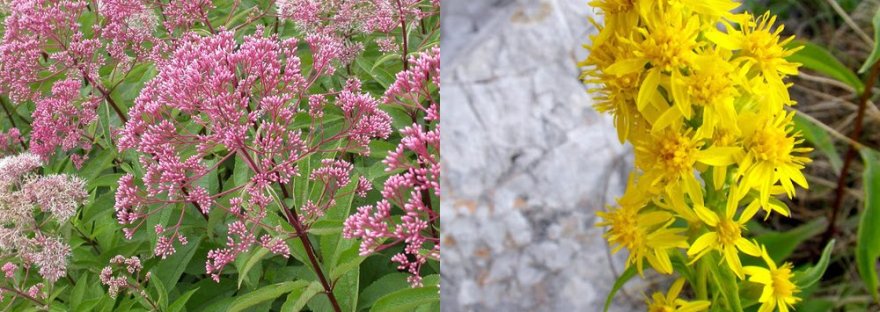
- Goldenrod Flower Tops, 1 part. Long used to support the kidneys and help the body clear excess fluid.
- Horsetail, 1 part. Rich in silica and minerals that tone and strengthen the tissues of the urinary tract.
- Pipsissewa Leaf, 1 part. A North American urinary herb, a cousin of wintergreen, used for the bladder and kidneys.
- Burdock Root, 1 part. A classic blood cleanser. Cleaner blood means less work for the kidneys as they filter it.
- Burdock Seed, 1 part. Complements the root with its own gentle support for the flow of urine.
“Parts” can be any measure you like, as long as you use the same one for every herb.
Put the dry herbs in a glass jar and pour in 80-proof vodka. Once the herbs have settled, you want about 60% herb sediment on the bottom and 40% liquid on top. Shake the jar every day. The traditional timing follows the moon, from the new moon to the full moon, about two weeks. I prefer to let my extracts sit a full three months, which makes them good and strong. Then strain and bottle the liquid.
What a Good Kidney Tea Contains
The tea is the formula’s everyday partner. A good kidney tea might contain these twelve herbs:
- Juniper Berries, 2 parts.
- Corn Silk, Uva Ursi Leaf, Parsley Root, Dandelion Leaf, Horsetail and Goldenrod, 1 part each. The same gentle kidney and urinary support as the formula, with Dandelion adding its own help with the body’s fluid balance.
- Hydrangea Root, 1 part. Long used to discourage stones. Dr. Shook considered it a true stone solvent: as a stone’s sharp points dissolve, he noted, the pain and inflammation they cause go with them.
- Gravel Root, 1 part. True to its name, used to help the body pass and discourage gravel and stones.
- Marshmallow, 1 part. Soothing to irritated urinary tissue.
- Orange Peel and Peppermint, 1 part each. They make it a bright, pleasant tea you’ll actually want to drink.
Brewing the Tea
- The overnight way: put 1¼ cups of the dry tea in a pot with a gallon of cold water and let it soak overnight. In the morning, heat it just to boiling, take it off the heat and let it steep at least 15 minutes. Strain, and pour over ice or drink it hot.
- My coffee-maker shortcut: grind the dry herbs to a fine powder and keep the powder in the freezer. About 2 tablespoons brews a full pot in a drip coffee maker; use the strongest setting if yours has one. In a reusable single-serve pod, fill it only about half full, since the herbs swell. I run the same herbs through twice, and the two cups over ice make a 2-quart pitcher.
How Much and How Often
- Add ½ teaspoon of the formula to each 8 ounces of hot or iced tea, so a 16-ounce mug gets 1 teaspoon.
- For a gallon pitcher of iced tea, stir in a whole ounce of the formula and drink it through the day.
- Drink freely. A common guideline is at least half your body weight in ounces of fluid each day, so a 150-pound person needs at least 75 ounces, and Dr. Christopher recommended even more. For someone 150 pounds or more, a gallon a day is fine. Let the tea carry most of it.
The formula and tea are also the heart of my Ultimate Kidney Flush, a 3-day stone-dissolving routine with fresh apple, lemon and lime juice and raw apple cider vinegar. For the deeper work, see Kidney Flushing Light to Intense, and for a struggling kidney, A Salve Pack for Struggling Kidneys.
Which Urinary Formula When?
- The kidney formula and tea (this post): food for the whole renal system, to be used for as long as you like.
- The bladder formula: for incontinence and urgency, which often come from a mild infection or bacteria in the bladder or urinary tract.
- The bladder comfort drink: only for the burning pain of a bladder infection, taken as one strong drink.
This is shared for educational purposes, from my own study and experience. It is not medical advice.


