Over and over I have seen that nutrition is vital to healing. Whether you are working through a serious disease or simply cleansing for a healthier life, the body needs raw material to rebuild with.
The herbs are master builders. Different herbs go to different parts of the body, promoting circulation and restoring health. What many people don’t understand is that the herbs alone don’t supply all the nutrition needed to do the work they’re capable of. It’s like sending a master builder to your lot with the blueprints and the know-how, but never delivering any lumber. You won’t be moving in any time soon.
Some foods and herbs are so concentrated and complete in their nutrition that I call them superfoods. A spoonful of a good blend is like a transfusion of nutrition, and for many people it is the missing link in their health program.
What a Good Superfood Blend Contains
A good superfood blend might contain these powders:
- Nutritional Yeast, 20 parts. Non-active yeast, heated enough to stop all yeast activity but not enough to harm its vitamins. It is the richest source of B vitamins and about half protein, and it is safe for anyone avoiding yeast.
- Alfalfa, 8 parts. The vitamin and mineral herb, gently cleansing and rich in chlorophyll.
- Orange Peel, 4 parts, and Lemon Peel, 3 parts. Rich in vitamin C and the bioflavonoids the body needs to use it. The pectin in citrus peels also helps pull heavy metals out of the body.
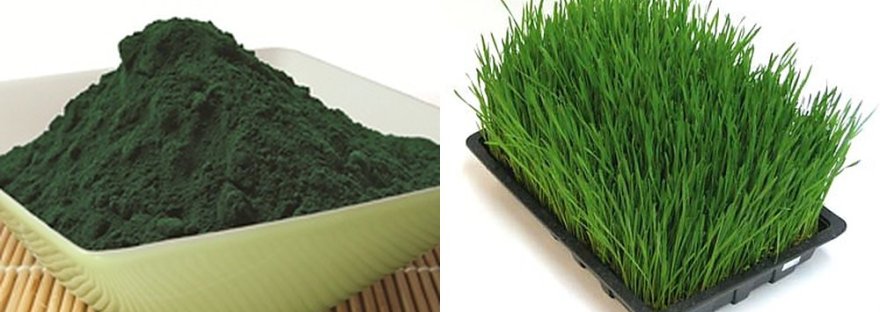
- Barley Grass and Wheat Grass, 2 parts each. Grain grasses are more potent than the grains themselves, full of vitamins, minerals and chlorophyll.
- Spirulina, 2 parts. One of the most concentrated foods on the planet: about 60% complete protein, high in beta carotene and B vitamins, and easy to digest.
- Chlorella, 2 parts. Second only to Spirulina in nutrition, with its cell wall broken so the nutrients are easy to absorb.
- Beet Root and Spinach Leaf, 2 parts each. Two of the richest sources of usable iron, famous for building the blood. Spinach adds calcium and vitamin K.
- Rose Hips, 2 parts. Another fine source of vitamin C and its helpers.
- Kelp blend, 1 part. Sea plants are the richest source of usable minerals on earth, carrying all the minerals and trace minerals of the ocean.
“Parts” can be any measure you like, as long as you use the same one for every herb. By weight, that’s a pound and a quarter of yeast, half a pound of alfalfa, and so on down the list in ounces. For a blend without the yeast, simply leave it out.
How Much and How Often
- 2 heaping tablespoons a day, stirred into juice or a blender drink.
- Up to 4 rounded tablespoons a day when the body is working hard to heal.
Many of these foods are single-celled plants that digest on their own, so the nutrition can reach the bloodstream within about 15 minutes. I take mine every day, and it makes a fine partner for a plant-calcium formula.
What’s in a Serving
Worked out from the blend above, a serving of 2 heaping tablespoons (about 16 grams) carries roughly:
- Calories: 55, with just half a gram of fat
- Protein: 5 grams
- Carbohydrate: 7 grams, 4 of them fiber (14% of the daily value)
- Potassium: 320 mg (7%)
- Iron: 2.5 mg (14%), and calcium: 80 mg (6%)
- B vitamins, when the nutritional yeast is the fortified kind: about 350% of the daily value of thiamin (B1), 310% of riboflavin (B2), 150% of niacin (B3), 250% of B6, 130% of folate and 90% of B12
- Plus vitamin C and bioflavonoids from the rose hips and citrus peels, chlorophyll from the grasses and algae, and iodine and trace minerals from the kelp
These are approximate figures calculated from the ingredients, not lab tested, and they vary a little with every batch of whole-food powders. One note on the niacin: fortified yeast carries a lot of it, and a large amount at once can bring on a harmless but startling warm, red “niacin flush.” Staying around this serving size avoids it.
Wondering whether the yeast in this blend is a problem for Candida? See Nutritional Yeast: The Yeast That Feeds You.
This is shared for educational purposes, from my own study and experience. It is not medical advice.


