
Food & Nutrition, Herbal Healing

Nutritional Yeast: The Yeast That Feeds You

Every so often someone asks me to leave the yeast out of their superfood. They have been told that yeast is bad for them, especially if they are fighting Candida. I understand the worry, but it comes from mixing up two very different things. The yeast in a good superfood blend is not the yeast that raises your bread, and it is not the yeast that overgrows in the body. It is a food, and one of the most nourishing foods we have.

Three Kinds of Yeast

  • Baker’s yeast is alive. It is sold active, so it can feed on sugar and give off the gas that makes bread rise. This is the yeast people picture when they hear the word.
  • Brewer’s yeast is left over from brewing beer. It is usually deactivated too, but it often tastes bitter from the hops.
  • Nutritional yeast is grown on purpose as a food, usually on beet molasses or cane sugar. When it is ready, it is heated enough to stop all yeast activity, then dried into golden flakes. It cannot grow, multiply or ferment anything. It is no longer a living yeast at all.

Why It Is Not a Candida Problem

Candida is a different organism altogether, one that overgrows in the body when the diet is full of sugar and refined foods and the bowel is sluggish. Nutritional yeast is not Candida, and because it has been deactivated, it cannot feed Candida, join it or start an overgrowth of its own. Eating it is no different from eating any other cooked, dried food. What feeds Candida is sugar and white flour, not a spoonful of golden flakes.

A true allergy to yeast is a different matter, and it is rare. Someone who truly reacts to yeast proteins should leave it out. But that is not the same as being afraid of yeast because of Candida.

What Nutritional Yeast Gives You

  • Complete protein. About half of it is protein, with all the essential amino acids the body needs to rebuild itself.
  • B vitamins. It is one of the richest sources of B vitamins we have, the vitamins the nerves, the brain and the energy of every cell depend on. We use a fortified flake, which adds B12 as well.
  • Minerals. Iron, zinc, selenium and many others.
  • Beta-glucans. A special fiber in the yeast cell wall that supports the immune system.

That is why nutritional yeast is the largest part of our superfood blend. Leave it out, and what is left is mostly green herbs and peels, good in themselves but missing the protein and B vitamins that make the blend a real food. See Superfood: Raw Material for Healing.

A Warm Flush

A fortified yeast is rich in niacin, one of the B vitamins. At a larger serving, some people feel a warm, tingling flush in the skin for a little while. It is harmless and passes on its own; if it bothers you, use a smaller amount and build up.

How to Enjoy It

Stir it into your superfood drink, or sprinkle the flakes on popcorn, salads, potatoes, soups and steamed vegetables. It has a rich, cheesy, nutty flavor, which is why so many people who avoid dairy love it.

This is shared for educational purposes, from my own study and experience. It is not medical advice.
Food & Nutrition, Herbal Healing, Herbs & How to Use Them

Superfood: Raw Material for Healing

Over and over I have seen that nutrition is vital to healing. Whether you are working through a serious disease or simply cleansing for a healthier life, the body needs raw material to rebuild with.

The herbs are master builders. Different herbs go to different parts of the body, promoting circulation and restoring health. What many people don’t understand is that the herbs alone don’t supply all the nutrition needed to do the work they’re capable of. It’s like sending a master builder to your lot with the blueprints and the know-how, but never delivering any lumber. You won’t be moving in any time soon.

Some foods and herbs are so concentrated and complete in their nutrition that I call them superfoods. A spoonful of a good blend is like a transfusion of nutrition, and for many people it is the missing link in their health program.

What a Good Superfood Blend Contains

A good superfood blend might contain these powders:

  • Nutritional Yeast, 20 parts. Non-active yeast, heated enough to stop all yeast activity but not enough to harm its vitamins. It is the richest source of B vitamins and about half protein, and it is safe for anyone avoiding yeast.
  • Alfalfa, 8 parts. The vitamin and mineral herb, gently cleansing and rich in chlorophyll.
  • Orange Peel, 4 parts, and Lemon Peel, 3 parts. Rich in vitamin C and the bioflavonoids the body needs to use it. The pectin in citrus peels also helps pull heavy metals out of the body.
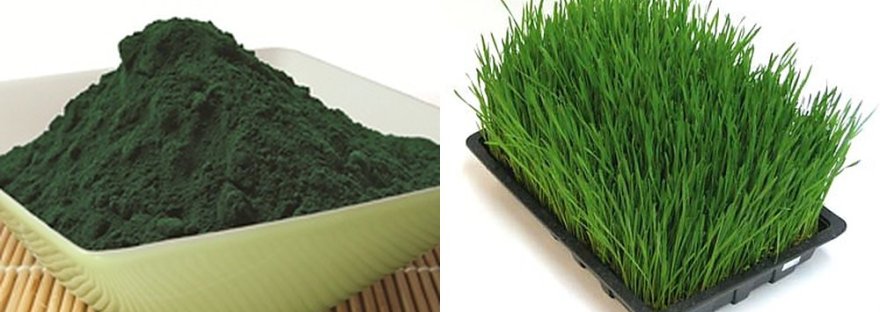
  • Barley Grass and Wheat Grass, 2 parts each. Grain grasses are more potent than the grains themselves, full of vitamins, minerals and chlorophyll.
  • Spirulina, 2 parts. One of the most concentrated foods on the planet: about 60% complete protein, high in beta carotene and B vitamins, and easy to digest.
  • Chlorella, 2 parts. Second only to Spirulina in nutrition, with its cell wall broken so the nutrients are easy to absorb.
  • Beet Root and Spinach Leaf, 2 parts each. Two of the richest sources of usable iron, famous for building the blood. Spinach adds calcium and vitamin K.
  • Rose Hips, 2 parts. Another fine source of vitamin C and its helpers.
  • Kelp blend, 1 part. Sea plants are the richest source of usable minerals on earth, carrying all the minerals and trace minerals of the ocean.

“Parts” can be any measure you like, as long as you use the same one for every herb. By weight, that’s a pound and a quarter of yeast, half a pound of alfalfa, and so on down the list in ounces. For a blend without the yeast, simply leave it out.

How Much and How Often

  • 2 heaping tablespoons a day, stirred into juice or a blender drink.
  • Up to 4 rounded tablespoons a day when the body is working hard to heal.

Many of these foods are single-celled plants that digest on their own, so the nutrition can reach the bloodstream within about 15 minutes. I take mine every day, and it makes a fine partner for a plant-calcium formula.

What’s in a Serving

Worked out from the blend above, a serving of 2 heaping tablespoons (about 16 grams) carries roughly:

  • Calories: 55, with just half a gram of fat
  • Protein: 5 grams
  • Carbohydrate: 7 grams, 4 of them fiber (14% of the daily value)
  • Potassium: 320 mg (7%)
  • Iron: 2.5 mg (14%), and calcium: 80 mg (6%)
  • B vitamins, when the nutritional yeast is the fortified kind: about 350% of the daily value of thiamin (B1), 310% of riboflavin (B2), 150% of niacin (B3), 250% of B6, 130% of folate and 90% of B12
  • Plus vitamin C and bioflavonoids from the rose hips and citrus peels, chlorophyll from the grasses and algae, and iodine and trace minerals from the kelp

These are approximate figures calculated from the ingredients, not lab tested, and they vary a little with every batch of whole-food powders. One note on the niacin: fortified yeast carries a lot of it, and a large amount at once can bring on a harmless but startling warm, red “niacin flush.” Staying around this serving size avoids it.

Wondering whether the yeast in this blend is a problem for Candida? See Nutritional Yeast: The Yeast That Feeds You.

This is shared for educational purposes, from my own study and experience. It is not medical advice.

Food & Nutrition, Herbal Healing, Herbs & How to Use Them

Calcium You Can Actually Absorb

For years I resisted making a liquid calcium formula. Every calcium product I’d ever known was white and chalky: a pill, a powder, something solid you could see and trust. This one is a clear liquid extract, and I had a hard time believing something that looked like water could carry any real value.

But I genuinely needed a good source of calcium. Every calcium capsule I tried, no matter how well regarded, sent my kidneys into fits of pain after a single dose. That sensitivity has held true ever since, even after a great deal of healing in my kidneys over the years.

It took some serious coaxing from my mentor Jackie before I finally relented, collected the herbs and set the formula. When it was ready I took it alongside my daily Superfood, as always. That first evening I was pleasantly floored: my restless legs, which had plagued me for years, didn’t come to visit. Within about a month my fingernails had grown noticeably harder, no longer breaking or peeling the way they used to. And my kidneys had no complaint at all, because I wasn’t taking mineral calcium in the first place.

Why Plant Calcium Works

Calcium does far more than build bone. The body needs it for the nerve sheaths, the walls of the veins and arteries, and the teeth. But most calcium on the shelf is an inorganic mineral, the kind that can be swallowed but not truly assimilated. What the body can’t use, it has to deal with, and the kidneys are often left holding the leftovers.

Dr. Christopher taught that the minerals the body can actually use are the ones that have already gone through plant life: herbs, fruits, vegetables, grains, nuts and seeds. A plant takes the minerals out of the soil and turns them into a form our bodies recognize as food.

What a Good Calcium Formula Contains

A good plant-calcium formula might contain these four herbs:

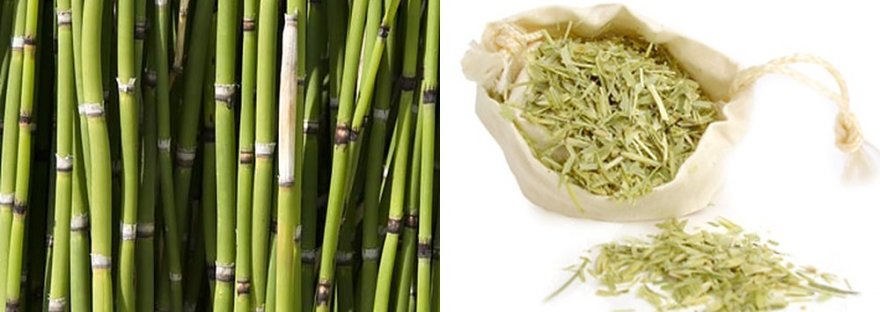
  • Horsetail Grass, 6 parts. The lead herb. It is rich in silica, which the body converts to calcium, and it carries manganese, zinc, iron, magnesium and phosphorus as well.
  • Comfrey Root, 4 parts. Adds its own calcium, phosphorus, potassium and iron, along with allantoin, long credited with speeding tissue repair.
  • Oat Straw, 3 parts. A nourishing herb for the nerves that adds more calcium, phosphorus, potassium and magnesium.
  • Lobelia, 1 part. A small amount that helps carry the rest of the formula where it is needed.

“Parts” can be any measure you like, as long as you use the same one for every herb. By weight, that’s 6 ounces of Horsetail, 4 of Comfrey, 3 of Oat Straw and 1 of Lobelia.

Putting It Together

Put the dry herbs in a glass jar and pour in 80-proof vodka. Once the herbs have settled, you want about 60% herb sediment on the bottom and 40% liquid on top. Shake the jar every day. The traditional timing follows the moon, from the new moon to the full moon, about two weeks. I prefer to let my extracts sit a full three months, which makes them good and strong. Then strain and bottle the liquid.

How Much and How Often

This is a food formula, so it can be used freely. I suggest 1 teaspoon three times a day.

Take it alongside a good whole-food nutrition blend. I discovered over the months that this formula needs that extra nutrition to do its job well.

Calcium from Eggshells

Dr. Christopher taught that sugar leaches the calcium out of the body, and that pregnancy and nursing draw on the mother’s calcium, from her bones and teeth if need be. Besides his calcium formula, he gave this old way of getting natural calcium from eggshells:

  • Pull out the thin membrane that lines the inside of each shell.
  • Dry the shells at room temperature, or in an oven under 130°F.
  • When thoroughly dry, powder them in a blender, nut mill or with a rolling pin.
  • Cover the powder from one dozen shells with one pint of apple cider vinegar (or lemon juice, which spoils sooner). Use a large container, because it foams.
  • Adults take two or more tablespoons, alone or in distilled water, tea or juice; children the same, in proportion. Some like to add a tablespoon of honey to each tablespoon of the vinegar-calcium mix.

This is shared for educational purposes, from my own study and experience. It is not medical advice.

Food & Nutrition, Herbal Healing

HEALTH THROUGH NUTRITION

The purpose of this article is to provide an Understanding the Natural Laws of Health; How we earn our dis-ease and how to clear dis-ease from the body.

Introduction:

If we take an honest look at nature, we will observe that three things are present:

1) Nature follows definite laws which are not subject to opinion or variance; and
2) Every aspect of life is reflected by nature.
3) Nature is governed by the law of CAUSE and EFFECT.

If we have violated a natural law, we have created a Cause, for which we will suffer an Effect.
Our ignorance of the laws of Nature does not change these laws.

There are two reasons for disease, or lack of health: 1) Ignorance or 2) Laziness

In the field of health, there are a few good rules to follow to achieve health.
1) Follow the laws of Nature
2) Let Truth be your authority, not authority your truth.

One of the Laws of Nature is that the innate intelligence of the body strives to keep the body alive, regardless of the cost. The “cost” is what we call “disease”. Disease is the effort of the body to keep us alive.

WHAT IS REAL FOOD?

The body will keep us alive and healthy provided that we feed it “Real Food”. Real food is a food which is compatible with the body; that in no way takes from the body, but lends itself to the building up of health and maintaining life. It contains nothing that is harmful, toxic or non usable by the body. Real Food is defined for us by Nature as follows:

1) Something edible grown by Nature of the Plant Kingdom
2) Food which can be eaten without processing in any way.
3) Food which comes to us from Nature as “complete packages”, that is, they contain naturally everything in them necessary for the body to process and assimilate that food.

WHY DO WE EAT FOOD?

The only qualities of food which the body requires in a complete package are the following: If all of these components are in the food, the food is complete. If any of these are missing, the food is not “Real Food”.

Real Food is provided by Nature in this form as raw fruits and vegetables. Raw fruits and vegetables contain all of the parts mentioned above. If food has been processed, cooked or altered in any way so as to change or eliminate any of the above ingredients, it is no longer “Real Food” as far as the Human Body is concerned.

PLANTS ARE THE SOURCE OF REAL FOOD FOR ALL LIFE FORMS

The plant kingdom utilizes sunshine, carbon dioxide, oxygen, water and organic minerals in the process of photosynthesis to feed itself and grow. The result is a living plant (food for animal consumption) containing:

  • glucose
  • protein
  • fatty acids
  • organic minerals
  • organic enzymes (vitamins)
  • water (pure)

Inorganic Mineral from the Earth + Photosynthesis = Organic Minerals from Plants which provide Protein and Enzymes for animals and humans.

Download the pdf below for the entire article.

Food & Nutrition, Herbal Healing, Herbs & How to Use Them

Using Flax Seed Oil

Flax seeds are known for their many health benefits, which include providing a hearty dose of protein and fiber, reducing appetite and aiding in weight control.

Loaded with nutrients

Just one serving provides a good amount of protein, fiber, and omega 3 fatty acids, along with several important vitamins and minerals.

One tablespoon (7 grams) of ground flaxseed contains:

  • Calories: 37
  • Carbs: 2 grams
  • Fat: 3 grams
  • Fiber: 2 grams
  • Protein: 1.3 grams
  • Thiamine: 10% of the Daily Value (DV)
  • Copper: 9% of the DV
  • Manganese: 8% of the DV
  • Magnesium: 7% of the DV
  • Phosphorus: 4% of the DV
  • Selenium: 3% of the DV
  • Zinc: 3% of the DV
  • Vitamin B6: 2% of the DV
  • Iron: 2% of the DV
  • Folate: 2% of the DV

Flaxseed is particularly high in thiamine a B vitamin that plays a key role in energy metabolism as well as cell function. It’s also a great source of copper, which is involved in brain development, immune health, and iron metabolism

High in omega-3 fatty acids: Flaxseed is an excellent source of alpha-linolenic acid (ALA), a type of omega-3 fatty acid that’s important for heart health and found primarily in plant foods

Rich in Fiber: With so much fiber packed into each tiny seed, flaxseed may help promote regular bowel movements and improve digestive health.

Versatile and easy to use:

Both flaxseed and flaxseed oil are easy to use and can be added to a variety of recipes. Here are a few simple ways to increase your intake:

  • Add flaxseed powder to water or sprinkle it into your smoothies.
  • Drizzle flaxseed oil on fresh salads in place of salad dressing.
  • Sprinkle ground flaxseed over hot or cold cereal for extra fiber and flavor.
  • Mix flaxseed into your favorite yogurt.
  • Give baked goods a healthy twist by mixing flaxseed into cookies, muffins, or breads.
  • Combine flaxseed with a bit of water for a simple egg substitute.
  • Incorporate flaxseed into meat or veggie patties.

How much Flax Seed Oil do you need?

Many of the health benefits noted in the studies above were observed with just 1 tablespoon (7 grams) of ground flaxseed per day.

However, it’s best to limit your intake to around 4–5 tablespoons (28–35 grams) of flaxseed per day — so you don’t get too much fiber — and enjoy as part of a healthy, balanced diet.

SUMMARY

Ground flaxseed provides the greatest health benefits. If you use flaxseed oil, remember to store it in a cool, dark place and cook with it at low temperatures.

Cooking With Dara, Food & Nutrition, Herbal Healing

Natural Root Beer

Here is one of my favorite beverages, homemade Root Beer. If you follow the directions you will have a very pleasant and healthy drink your whole family will enjoy.

Directions

Sarsaparilla root can be used as a dye plant although it has a tendency to fade. It was formerly used in the making of root beer, so much so that the flavor has been duplicated synthetically and the root is no longer present in the beer.

Harris said that his grandfather made a good homemade root beer with more or less equal parts of Sarsaparilla, burdock, dandelion roots, sassafras bark and red clover.

Dr. Christopher gave a good recipe for root beer. If you are going to serve root beer to the kids, start ahead of time and give them the genuine article.

  • 2 ounces Sarsaparilla root
  • 2 ounces Sassafras root bark
  • 1 ½ ounces wintergreen herb
  • ½ ounce tansy
  • ¼ tsp. Baking yeast or Wine yeast
  • 1 pint molasses (NOT Blackstrap)
  • 1 Gallon Distilled Water
  • 1 ½ Gallons Distilled Water–Lukewarm
Food & Nutrition, Herbal Healing

Calcium Absorption

Dr John R Christopher

How many people who are taking cortisone–all those several million of them–are aware that the drug can cause brittle bones? And how many doctors are going to tell their patients that it is a good idea to get substantially more calcium and Vitamin D into their diets before they begin splintering their bones?

It does seem that many doctors pay scant attention to the possible side effects of drug therapy, particularly when those side effects are intimately linked to nutrition. This attitude seems to be reflected even in the Merck Manual, a standard reference book for physicians. In the section on adrenocortical steroids, which includes cortisone and its derivatives, the medical text says under the subheading “Management during Long-Term Treatment”:

If back pain occurs, X-ray of the spine should be made for possible osteoporosis…If Pathologic fractures occur but the patient’s condition warrants continuation of hormonal therapy; additional calcium and protein probably are more effective than the anabolic steroids.” No advice about giving more calcium as a preventive measure is offered. Presumably, the doctor is not expected to do anything until the patient begins complaining of back pain or comes in with a fracture that results from a slight bump.

For the plant-calcium formula, with the herbs, proportions and how to make it, see Calcium You Can Actually Absorb.

Inorganic minerals are the ones that can be accepted into the body, but not assimilated. The inorganic minerals are accumulative, lie in deposits in weakened or injured parts of the body, to later give side effects or after effects.

Often times in purchasing calcium, potassium, phosphorus, iron, zinc, etc., we buy minerals of the inorganic type that has not gone through plant life and by osmosis made organic and given life so it can be assimilated. The type that can be assimilated is from herbs, fruits, vegetables, grains, nuts and seeds.

These are non-toxic, non-poisonous and non-habit forming, if chosen by one who knows assimilable herbs. We have been using a calcium formula for years to aid our patients and students in regaining a more perfect body structure.

The one way we can change the condition of the bowel structure is to treat it like we would a sick plant, and we do not want to be guilty of “casting seeds out on barren soil.” The bone must be fed, must be given exercise, and must also be accompanied by faith–in knowing it will improve.

Food & Nutrition, Herbal Healing

The Ten Basic Kinds of Water

1. Hard Water.  This is saturated with calcium, iron, magnesium, and many other inorganic minerals.  All water in lakes, rivers, on the ground, in deep wells, is classified as hard water. (Many city systems take water from rivers or lakes, or reservoirs supplied with mountain water; they erroneously call their supplies “soft water” but it is soft only in comparison with water which is harder.)

 2.  Boiled Water.  Boiling helps remove some of the germs, but concentrates the inorganic minerals.  Other germs are carried into a fertile element for rapid and lusty propagation of germs and viruses already in the body.

 3. Raw Water.  This has not been boiled.  Raw water may be hard (as calcium hardened water) or soft as rain water.  It contains millions of germs and viruses.  In every densely inhabited drop.  Some of these viruses and bacteria may adversely affect the thyroid gland, the liver and other vital body organs.

 4. Rain Water.  This has been condensed from the clouds.  The first drop is distilled water.  But when it falls as rain, it picks up germs, dust, smoke, minerals, strontium 90, lead and many other atmospheric chemicals.  By the time rain water reaches the earth it is so saturated with dust and pollutants it may be yellowish in color.  Water is supposed to act as an atmosphere purifier.  If we had no air pollution, we would have far less pollution in our drinking water.

  5. Snow Water.  This is frozen rain.  Freezing does not eliminate any germs.  All snowflakes have hardened mineral deposits.  Melt the cleanest snow and you will find it saturated with dirt, inorganic minerals, germs and viruses.

 6. Filtered Water.  This water has passed through a fine strainer, called a filter.  Some calcium and other solid substances are kept in the filter; there is no filter made which can prevent germs from passing through its fine meshes.  Each pore of the finest filter is large enough for a million viruses to seep through in a few moments.  A home filter usually only picks up suspended solids and is effective for the time, maybe only for hours, until it is filled up.  Then it is ineffective even for removing suspended solids, and at the same time becomes a breeding ground for bacteria.

 7. Soft Water.  This water is soft in comparison with water which is harder.  It may contain many trace minerals and chemicals, viruses and bacteria.  It is not to be confused with “softened water.”  Soft water may be classified as water which is harder than distilled water.

 8. Reverse Osmosis.  This is a system of water purification which allows pre-filtered water to be forced through a semi-permeable membrane to separate impurities from our drinking water.  However, this membrane allows only certain molecules to pass through providing the water pressure is exactly constant.  The matter of water pressure is a problem still to be solved.  Furthermore, the membrane also allows some iron and nitrate molecules to pass through.  Another problem to be solved.

But it now seems promising that we can look forward to tremendous strides in this system of water purification.  Gulf Oil, Culligan and Eastman Kodak are sponsoring vast research in this area.  High purity water between 90 and 97 percent of the dissolved mineral (and organic solutions), and over 99 percent of the suspended and colloidal particles are rejected by, the special membrane which has been developed for this process by these companies in their research. The product water, from this new research, is ultra-clear, low in dissolved solids, practically free from hardness components and essentially sterile as produced.  This makes a close second to distilled water.

 9. De-ionized Water.  A process of exchanging “hard” ions for “soft.”  The total ions are still present.  The end result is the same.  But the water has the appearance of being distilled. (Nature recognizes transformation but not extinction!)  Since water leaving the sodium-cation exchanger has little hardness, it contains sodium salts.

 10. Distilled Water.  This is water that has first been turned into steam so that all of its impurities are left behind.  Then through condensation, it is turned back into pure water.  It is the only pure water.  The only water free from all contamination.  Distilled water may well be considered the only pure water on earth.

Food & Nutrition, Herbal Healing

A Few Words on Diet & Health

80-20mealBy Dr. John Christopher

Natural food should be eaten in moderation and in simplicity. The fruits are especially good for cleansing the system after your night’s fast during sleep and it will satisfy the need and craving for sweetness. The green herbs of the garden, used fresh and tender in salads and chewed well, will build strength and vitality into the body tissues. The bulbs, roots, and starches in grains will provide fire and heat for the body, but these should be eaten only as needed for the more strenuous physical labors. The sprouted seeds are nourishing tonics to restore the body constitution and in resisting ill health. The nuts of the trees will provide the nutrient “meat” (protein) for man and will season other foods. The culinary herbs will provide variety, flavor, and seasoning as nutritional agents. And in the whole of your daily activities, you must achieve a varied and harmoniously-blended whole: fresh air, sunshine, exercise, work play, song, prayer, reading, meditation, recreation, etc.

FASTING

The “no breakfast” procedure:

So many times you will hear people say, “But breakfast is my main meal; start the day with a big breakfast and you start the day off right.” This “big breakfast” idea is pushed hard by the breakfast-food, egg, milk, and coffee merchants, and some of their advertising plays on emotional fears. But this is so wrong, as better health is found in countries where people have the custom of not eating breakfast, except maybe a warm cup of liquid, and the first meal of the day is eaten at noon. And there are places where the evening meal is the first and only one, as the partaking of food is considered a privilege only after the work has been done and the right to eat is earned. So as you try the “no breakfast” experiment, the first few days may be a little rough, with headaches, light-headedness, grumpiness, etc.  This will only last a few days and you will see great improvement in health. There are many that champion the fast as a cure for anything and everything, or that fruit alone will answer your health problems, or juice therapy alone, or all raw fruits and vegetables. But in your properly-balanced program, some of the food will be raw, while some of it will be steamed, baked or low-heated.

A bodily famine is not required:

Periodic fasting is good to cleanse the body, but a bodily famine is not required as a sacrifice for cleansing. A cross-country runner would be committing suicide to make a grueling competitive twenty or thirty mile run without preparation and so it is with the fast; a person must work up gradually to the longer fasts.

MEAT AND ANIMAL PROTEIN

All animated life can only live in health on vegetation of some type. Some of the birds, animals and men live on the carcasses of other higher animal life, but these carcasses are ones that have received their health and vitality from vegetation. This is second-hand or secondary food that has lost a lot of its value, but it still has some nutrient value in it that can be traced back to the original or primary food source in the vegetation. The bird that eats the insect gets its real food value from the tree, plant or shrub that the insect has fed on, and not from the insect itself.

You are culturally conditioned to believe that meat and milk are an absolute dietary necessity, and you react almost without thought: “Yes, but what about protein? We need the protein so badly, and we will wither up and die without sufficient amounts of it.” And where do most of our people go to get their main source of protein? From the lower animal kingdom, steaks from the carcasses of slaughtered animals. And where does the meat-providing cow obtain its protein? From eating grass. The only value in meat is what the particular animal has received from eating green herbs.

Food & Nutrition, Herbal Healing, My Opinion

UNDERSTANDING OUR FOOD

fruits_vegetablesNatural food should be eaten in moderation and in simplicity.

The fruits are especially good for cleansing the system after your night’s fast during sleep and it will satisfy the need and craving for sweetness.

The green herbs of the garden, used fresh and tender in salads and chewed well, will build strength and vitality into the body tissues.

The bulbs, roots, and starches in grains will provide fire and heat for the body, but these should be eaten only as needed for the more strenuous physical labors.

The sprouted seeds are nourishing tonics to restore the body constitution and in resisting ill health.

The nuts of the trees will provide the nutrient “meat” (protein) for man and will season other foods.

The culinary herbs will provide variety, flavor, and seasoning as nutritional agents.

In the whole of your daily activities, you must achieve a varied and harmoniously-blended barefootwhole:

  • Fresh Air
  • Sunshine
  • Exercise
  • Work Play
  • Song
  • Prayer
  • Reading
  • Meditation
  • Recreation

WHAT IS CONSTIPATION?

More people have died of MALNUTRITION, SUFFOCATION, and CONSTIPATION than from all the wars, automobile accidents, earthquakes and fires to date. Yet, you seldom hear of it, and the poor, suffocating and victimized ORGAN that gives out is generally given the official blame.

When we speak of constipation, we usually think of only the lower bowel area, but this is only a small part of it.

The entire body is composed of flexible systems of tubing, much like that of the intestines. It is of varied sizes, some of which are even smaller than a hair.

The Great Planner equipped the body structure with these rubber-like pipes of all kinds and sizes, from the largest intestine (which can expand to a terrific size) down to the arteries, veins, and minute capillaries; and though the capillaries are smaller than hairs, they are perfectly constructed and pliable; but when they are not properly provided and cared for, they age like an old rubber hose and eventually break at the weak spots.

This is the case in varicosity, as the taut life-line gets clogged up like lime inside the household plumbing. At times the mucoid matter forms a hard lining in the bowel so that the peristaltic action ceases, and this solid shield inhibits peristaltic action upon the feces materials.

We have seen this mucous lining taken from patients that appeared like hard, black plastic, shaped to the curvature of the colon walls. And, as you progress in this program, do not be surprised to see some of these linings coming from your body also.

Usually a person takes little notice of constipation and, instead of getting at the real cause, just starts using laxatives, enemas, bulk and volume remedies to break a passage through for temporary relief.

chest-pain-183x253When constipation goes throughout the entire body, and when it becomes extra bad and congested in one area, the discomfiture will grow until a peak of pain is reached, and this is really the nature of what we term “disease.”

Do not allow yourself to become confused with thousands of seemingly-sophisticated medicinal terms; just remember that there is only one disease, and that is systemal constipation.

This mucus constipation will back up not only in the arterial structure, but also into the cells and tissues; and it can become so severe that it will eventually bring the entire system to a standstill.

Where does all of this mucus, sludge, and waste come from? It is from those things that we eat with our eyes and taste-buds, from what we put into the body and incorrectly call “food”.

To make the change from an imperfect, mucus-filled body to one of health, the taste buds will be a big factor with many, while with others, it will be fear.

We have heard persons say, “Why, I enjoy the type of food I am used to, and I would rather risk ill health than change.” Well, at that moment, they have made the choice of living to eat, instead of eating to live.

The average individual has grown up on the “great American diet” of meat, potatoes, and gravy, and is naturally prone to panic at the very thought of missing a meal–let alone fasting a few days, and he is deathly afraid that he will starve to death.

The truth is that very few persons ever starve to death, but die first from fear and panic. There are persons who have gone over a hundred days without food and over two weeks without water and lived, so missing a few meals will be most beneficial in a positive approach.

Anything that is worthwhile cannot be had without some sacrifice, and though abstinence from food or from indulgence in over-eating may seem like a sacrifice and a burden, the supposed “sacrifice” will be realized as a blessing instead after the goal has been reached.