
What it is, how it forms, and natural ways to reduce it
What Cellulite Really Is

Cellulite is not a special kind of fat, and it is not a buildup of toxins. It is ordinary fat pressing up against the connective tissue that anchors the skin to the deeper layers of the body. The result is the familiar dimpled, “orange peel” texture most often seen on the thighs, hips, and buttocks.
Just beneath the skin lies a layer of fat divided into compartments by fibrous bands called septae. These bands run from the underside of the skin down to the muscle, much like the buttons on a tufted mattress. When the fat cells within these compartments enlarge, they bulge upward while the bands hold the skin down. The uneven surface we call cellulite is simply the visible outline of that structure.
How Cellulite Forms
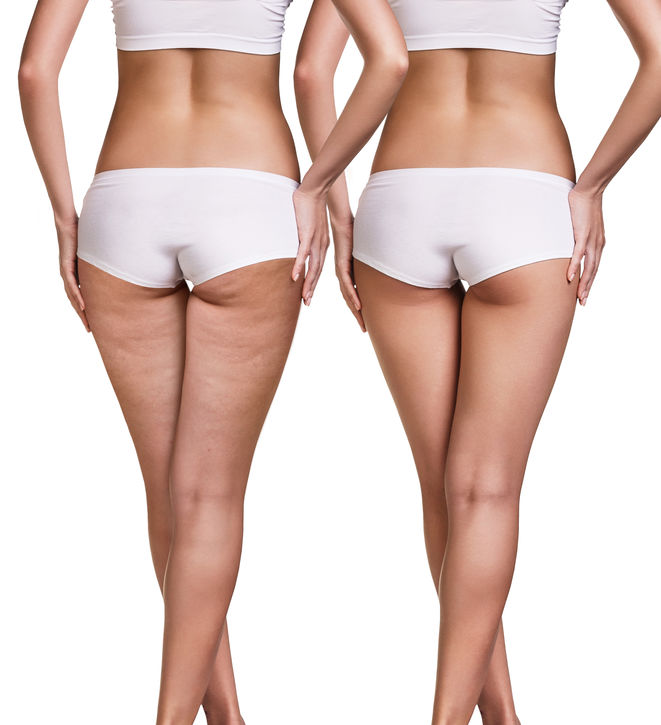
Several factors work together to create cellulite, and understanding them helps explain why it is so common and why it responds best to a combination of approaches.
- Structure: In women, the septae run vertically, so fat pushes straight up between them. In men, the bands crisscross in a mesh-like pattern that holds fat down more firmly. This is the main reason cellulite affects an estimated 80 to 90 percent of women after puberty, but relatively few men.
- Hormones: Estrogen encourages fat storage in the thighs, hips, and buttocks and influences the tone of the small blood vessels in those areas. This is why cellulite typically first appears at puberty and may change with pregnancy and menopause.
- Circulation and lymph flow: When microcirculation becomes sluggish and fluid is not cleared efficiently by the lymphatic system, the tissue becomes congested. Fluid retention makes the bulging more pronounced.
- Aging skin: Over time, collagen production declines and the skin becomes thinner and less firm. The underlying irregularities then show through more easily.
- Lifestyle and genetics: Family history, weight gain, inactivity, smoking, and a diet high in sugar (which damages collagen through a process called glycation) all contribute.
Natural Ways to Reduce Cellulite
It is important to be honest at the outset: no method, natural or medical, removes cellulite completely, because it is rooted in the basic architecture of the tissue. What can be done is to soften its appearance noticeably. Consistency matters more than any single remedy, and the best results come from addressing muscle tone, connective tissue, circulation, and fluid balance together.
Exercise and Weight
Strength training is likely the single most effective step. Building and toning the muscles of the legs and glutes firms the foundation beneath the fat, which makes the surface look smoother. Walking, cycling, and other movement also improve circulation and lymph flow in the lower body.
Maintaining a steady, healthy weight helps as well. Losing excess fat can reduce cellulite for many people, but rapid weight loss may leave the skin looser and actually make dimpling more visible. Slow and steady is the better path.
Supporting Collagen and Connective Tissue
- Collagen peptides: In a controlled clinical trial, women who took bioactive collagen peptides daily (about 2.5 grams) for six months showed measurable improvement in cellulite and skin density compared with placebo.
- Gotu kola (Centella asiatica): This is the most studied herb for cellulite. It supports connective tissue and collagen formation and improves microcirculation. It may be taken internally or used in topical preparations.
- Diet: A diet low in sugar and rich in colorful, antioxidant-rich fruits and vegetables helps protect collagen from damage. Adequate protein supplies the building blocks for connective tissue repair.
Improving Circulation and Lymph Flow
- Venous-toning herbs: Horse chestnut, butcher’s broom, and ginkgo strengthen the small blood vessels and help reduce fluid congestion in the tissues.
- Lymphatic herbs: Cleavers and red root are traditional lymph movers that fit naturally into a cellulite-reduction program.
- Dry brushing and massage: Brushing the skin toward the heart, along with massage, stimulates lymph flow and circulation. The effect is largely temporary but builds with regular use.
- Contrast showers: Alternating warm and cool water over the legs encourages circulation and firms the tissue.
- Hydration: Drinking plenty of water supports healthy tissue and helps the body clear fluid rather than retain it.
Topical Support
Creams containing caffeine or green tea can produce a mild, short-term tightening effect by temporarily drawing fluid from the tissue. Topical gotu kola preparations may offer additional connective-tissue support. These work best as a complement to the internal and lifestyle measures above rather than on their own.
Other Helpful Habits
Avoiding smoking is essential, since it constricts blood vessels and accelerates collagen breakdown. Getting up and moving regularly throughout the day, rather than sitting for long periods, helps keep circulation and lymph flowing in the legs.
Setting Realistic Expectations
A realistic goal is visible improvement over three to six months. The most effective approach combines strength training, collagen and connective-tissue support, circulatory and lymphatic herbs, and regular dry brushing or massage. Cellulite is a normal feature of the female body rather than a sign of poor health, and caring for the tissue from the inside out brings benefits that go well beyond appearance.


