Ripe red raspberries and green raspberry leaves on a sunlit bush.
Herbal Healing, Women's & Men's Health

Menopause

Photo: Mirek Kielar / Pexels

Perimenopause, Hot Flashes, Night Sweats and the Change of Life

Understanding the Condition

Menopause is not a disease. It is a natural passage, as natural as the first period was in girlhood. Through the childbearing years, the ovaries make two main hormones each month. Estrogen builds the lining of the uterus and keeps the skin, bones, heart, bladder and vaginal tissue supple and strong. Progesterone, made after an egg is released, steadies the lining, calms the nerves and helps with sleep. The brain watches over all of it: the hypothalamus and pituitary send a hormone called FSH to call the ovaries into action each cycle.

As a woman moves through her forties, the ovaries’ supply of eggs runs low and they begin to answer that call less and less. The brain calls louder (FSH rises), and the hormones start to swing.
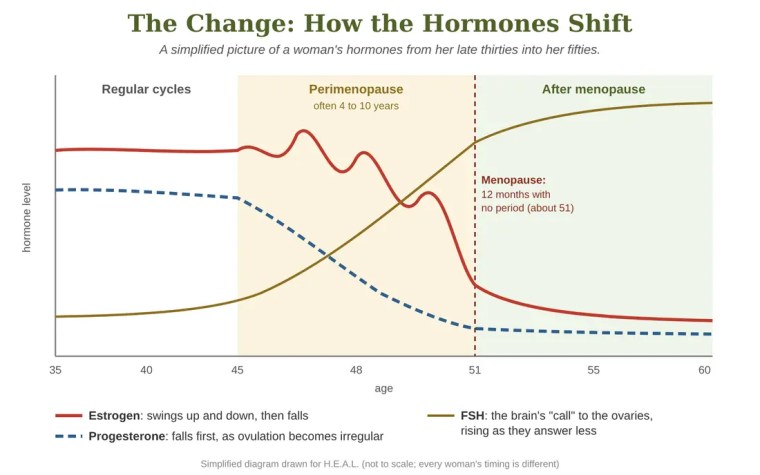
Line diagram of hormone levels from age 35 to 60: estrogen swings up and down through perimenopause then falls, progesterone falls first, and FSH rises steeply, with menopause marked at about age 51.
How the hormones shift through the change. Simplified diagram drawn for H.E.A.L. (not to scale).

How It Unfolds

  • Perimenopause (often four to ten years, usually starting in the forties). Ovulation becomes irregular, so progesterone falls first while estrogen swings high and low. This is the time of irregular or heavy periods, breast tenderness, PMS that grows worse, trouble sleeping, mood swings, and often thinning hair.
  • Menopause itself is one day: the point when a woman has gone 12 months in a row without a period. In this country it comes at about age 51 on average.
  • After menopause, the ovaries rest. The adrenal glands and fat tissue carry on making small amounts of hormones, and the liver keeps clearing used hormones from the body. This is why tired adrenals and a sluggish liver make the change so much harder.

Why the hot flashes come. The same part of the brain that calls to the ovaries also sets the body’s thermostat, sleep and heart rhythm. As estrogen falls and FSH rises, that center is unsettled. It decides the body is too hot, opens the blood vessels in the skin and turns on the sweat: a hot flash, or at night, a night sweat. Dr. Christopher wrote that this same disturbance can unsettle sleep, stamina, heartbeat, digestion and blood pressure, and that few women go through the change without some symptoms.

The common signs are hot flashes and night sweats; trouble sleeping; a racing or pounding heart; mood swings, anxiety and low moods; foggy memory; thinning hair; dryness of the skin and vaginal tissue; urgency or leaking of the bladder; weight settling around the middle; and joint aches. Over the longer term, falling estrogen leaves the bones and the heart with less protection, so this is the time to care for both.

Dr. Christopher believed the hard symptoms are not caused by the change itself but by a body that comes to it undernourished, without the raw materials it needs to make its own hormones. He saw women “glide smoothly through the changes of life” once that food was given. Medicine offers hormone replacement, but its own labels warn of risks to the uterus, breast and blood, and when it is stopped the symptoms often return.

The Emotional Side: the Energy Work

Healing the whole person. We are body, mind and spirit, and all three must heal together. When one part is neglected, the other two cannot find complete healing. A person can follow a perfect herbal program, but if she stays in a life that keeps wearing her down, or never makes time to care for herself, the body will keep losing ground. Healing the body often means facing what is happening in the heart and spirit as well.

The Hormonal Curtain

The real hormonal shift comes at the end, when the cycle stops. Many women think they’re home free when their cycles end without much drama, only to discover it has just begun.

From puberty on, the hormones that run a woman’s cycle also turn her attention outward. It is as if a curtain drops between her and the girl she was when it all began. Her focus turns to nesting, a home and babies, and all of that is hormonally driven. Something is lost during those years, too: the creative side of herself, so alive in her early teens. Not every woman loses it, but many put their inner selves on the back burner through the family years.

In perimenopause, the curtain lifts for longer and longer stretches, and at menopause it rises, never to fall again. The nesting urges simply fade, and you find yourself looking inward more and more. This is a gift. The old tales of the wise older woman, the understanding that comes from a lifetime of living, were always there. You just weren’t looking inward; too much else had your attention. Now you will bloom. You’ll write that book or pick up those paintbrushes again, and discover other amazing parts of yourself. It is time to make friends with yourself.

But behind that curtain is the stash of emotional bills: everything you swept under the rug or tucked away to deal with “later.” Later is here. The more unfinished business waiting there, the harder and more symptomatic your menopause will be.

Well, I hate to be the one to tell you, darlings, but the curtain is gone and the rug is up. It’s time to deal with yourself, or spend the rest of your life trying to medicate it away. You’re always free to keep denying the reality of your life, but you can no longer use the hormonal curtain as a barrier against the inner woman demanding your attention. Do the hard work on you, and become the woman you always knew you were.

Louise Hay, in her book Heal Your Body, describes these patterns:

  • Menopause problems: fear of no longer being wanted; fear of growing older; rejecting yourself; feeling you are not good enough. Turn it around: I am at peace through every change of life’s seasons, and I bless my body with love.

Emotional patterns paraphrased from Louise Hay, Heal Your Body (Hay House).

Areas Affected & Opening the Way to Healing

The change involves the whole hormone family: the ovaries stepping back, the hypothalamus and pituitary in the brain that set the thermostat and call to the ovaries, the adrenal glands that take over making hormones, the thyroid (whose troubles can look much like menopause), and the liver, which clears used hormones out of the body. It shows up in the skin and blood vessels (flashes and sweats), the heart, the nerves and sleep, the bones, and the bladder and vaginal tissue.

Opening the Way: Clearing the Liver and Bowels

  • Keep the bowels moving with LBF, building up one capsule a day until the bowels move two or three times a day. Used hormones the liver sends out through the bile are taken back into the blood if the stool sits.
  • Liver flushing. Juice fasting and flushing the liver are like hitting the restart button. When the body is out of balance, a good week of liver flushing clears a layer of toxins and helps the hormones settle. After that, an ELF (Emergency Liver Flush) once or twice a week until the symptoms have cleared.
  • Cool the triggers. Coffee and other caffeine, sugar, alcohol, spicy foods, hot drinks and stress all set off hot flashes. Many women find their flashes come at certain times of day once they start watching.
  • Hot and cold showers and fresh air. A hot and cold shower in the morning wakes up the circulation and trains the blood vessels to respond. Exercise, outdoor walks and sunshine steady the mood and protect the bones.

Feeding the Female System

  • Female Formula: the first support. Chaste tree berry, wild yam, dong quai, damiana, licorice and hops: it gives the body the raw material to balance its own hormones and calms the nerves, and it helps stop hot flashes, night sweats and the emotional free fall of the change. The daily amount is 1½ teaspoons. For hot flashes and night sweats, split it into three ½-teaspoon portions: ½ teaspoon in the morning, and the rest taken before your problem times. If the flashes come in the late afternoon, take the larger share in the early afternoon so the herbs are in the blood when they are needed most. For night sweats, take a dose at bedtime. Without these issues, take the full 1½ teaspoons in the morning.
  • Changease: hormonal food. Black cohosh, sarsaparilla, ginseng, licorice, blessed thistle, squaw vine, shatavari and vitex. When symptoms still persist after the Female Formula and liver flushing, add Changease alongside it: ½ to 1 teaspoon three times a day. It gives the body the raw material to make the hormones it needs in the last stages of the change; the shatavari is cooling and moistening, a help for hot flashes, night sweats and dryness, and the vitex supports the pituitary.
  • Wild yam cream: a helper alongside. Some women do best using both the Female Formula and a wild yam progesterone cream. Dara used the cream herself, mainly for thinning hair and the symptoms of perimenopause. It is valuable to a degree; the Female Formula is still the foundation, and the cream is an addition, not a replacement.
  • Feed the adrenals. The adrenals carry the load after menopause. The licorice in both formulas feeds them; when a woman is worn thin, see Rebuilding Tired Adrenals.
  • Heavy, breakthrough or lingering bleeding: kick it hard. The everyday Female Formula amount is 1½ teaspoons a day. When the bleeding turns heavy, comes between cycles, or a cycle refuses to end, even if it is only spotting, don’t let it drag on. Take 1 tablespoon all at once in a cup of hot water, and for heavy flooding with clots, up to three times a day. Keep it up for a day or two after the bleeding stops, then drop back to the usual dose. The natural progesterone in the wild yam can make the breasts tender at this higher dose; it eases within a day or two of returning to the normal dose. Any bleeding after menopause needs a doctor (see the box below).

Calming the Heart, Nerves and Sleep

  • A racing or pounding heart. Many women report palpitations through the change. Dara’s supports: NFX and the General Nervine for the nerves, with cayenne and hawthorn extracts for the heart. In hot water at bedtime, cayenne (working up gradually to 3 droppersful) and hawthorn (6 droppersful) make a calming evening tea; when palpitations wake you, take the cayenne and hawthorn every five minutes until the heart settles.
  • Sleep. 2 droppersful each of the General Nervine and NFX at bedtime help with falling asleep and staying asleep. See Two Formulas for a Good Night’s Sleep for more.

Thinning Hair

  • The Female Formula first. Thinning hair is one of the most common signs of perimenopause, and for many women it is the most upsetting. Dara’s own hair was falling out by the handful until she began the Female Formula; then it stopped. Use the daily amount above.
  • Clear the liver. The liver clears used hormones out of the body. When it is sluggish, the hormone swings are harder and the hair shows it. A week of liver flushing, then an ELF once or twice a week, supports the hair along with everything else.
  • Add Changease if it persists. When hair loss keeps on after the Female Formula and liver flushing, add Changease alongside them.
  • Wild yam cream. Dara used wild yam cream mainly for thinning hair, and some women do best using it together with the Female Formula.
  • Ease the stress and check the thyroid. Stress drives hair loss, and the nerve supports above help. Thyroid trouble also thins the hair and can look just like the change, so have it checked if the hair loss is heavy.

Protecting the Bones

  • Calcium the body can use. Dr. Christopher’s Calcium formula (horsetail grass, comfrey root, oat straw and lobelia) with Superfood: 1 teaspoon three times a day. Dara regards ordinary calcium pills as ground-up rock; plant calcium feeds the bones without leaving mineral residue for the kidneys.
  • Weight-bearing exercise and sunshine keep the bones strong; walking counts. Stop the calcium robbers: soft drinks, coffee and junk food.

Using Comfrey With Care

Comfrey root is one of the four herbs in the Calcium formula, used in traditional proportions as part of a blend. Take it at the dose on this sheet, 1 teaspoon three times a day. More is not faster.

When to Get Medical Care

Herbs are support alongside medical care, not a replacement for it. Any bleeding after menopause (once you have gone 12 months without a period) needs to be checked by a doctor, as does bleeding that is very heavy, comes every two weeks, or lasts much longer than usual during perimenopause. Have your thyroid checked if symptoms are strong, since thyroid trouble can look just like the change. A bone density scan in the years after menopause shows how the bones are holding up. If you are taking hormone replacement, work with your doctor to come off it gradually; stopping suddenly can bring a hard rebound.

Emergencies: chest pain or pressure, a racing heart with fainting, dizziness or shortness of breath, or heavy bleeding with lightheadedness. These need emergency care right away.

Level of Commitment

Most women pass through the change well with steady, simple support. How much you need depends on how much your body and your heart are carrying into it:

  • Gentle support. For most women in perimenopause and the change. The Female Formula, timed before your problem times; LBF to keep the bowels moving; cutting the triggers (caffeine, sugar, alcohol); water, walking and sunshine; the sleep supports as needed.
  • Focused cleansing. When the symptoms are strong or don’t settle: a week of liver flushing, then an ELF once or twice a week until the symptoms clear, with weeks of kidney flushing alternated in; add Changease to the Female Formula; the heart and nerve supports; the Calcium formula for the bones. Give it about three months.
  • Incurables Program. The change itself never calls for this. It is for a serious condition that comes along with it, such as fibroids, cysts, or cancer of the breast or uterus; see those sheets. The full Incurables Program includes cleansing the bloodstream with HEAL’s Blood Purifying formula. Blood Purifying contains chaparral, which has long been regarded as one of the strongest blood purifiers in herbal use. It has had years of bad press, but used wisely it supports the body in clearing growths, and over the years many members have used it to eliminate tumors. Use with care: take Blood Purifying in courses, not continuously: two dropperfuls 4 to 6 times a day for a week at a time, in a few ounces of grape juice, while drinking 64 to 128 oz. of liquid a day. Avoid it during pregnancy or nursing and with existing liver disease. If the skin or the whites of the eyes turn yellow, the urine turns dark, or there is pain under the right ribs, stop and have the liver checked.

More Is Not Faster

These doses are set to what the body can clear. Taking more stirs up more than the bowels, liver and kidneys can carry out, and that is when cleansing starts to feel like poisoning. Healing the body requires steady, consistent nutrition and action, not a bigger dose.

People are different, and now and then someone reacts poorly to a particular herb. If that happens, stop it. What I offer here is a guideline. You are the one living in your body, so work with the Holy Spirit and the wisdom the Lord has given you to apply these supports in the best way for your life.

A Loose Healing Plan

  1. Week 1: Build the foundation. Start your Foundational Program (Superfood and juicing, Echinacea, and bowel cleansing with LBF). Start the Female Formula, timed before your problem times, with a bedtime dose for night sweats. Begin cutting caffeine, sugar and alcohol, and notice what sets off your flashes.
  2. Week 2: Flush the liver. A week of liver flushing, then an ELF once or twice a week until the symptoms clear.
  3. Weeks 2 onward: Calm and protect. Add the sleep and heart supports if you need them, the Calcium formula with Superfood for the bones, and daily walking and sunshine.
  4. After a month or so: Take stock. If hot flashes, night sweats or mood swings persist, add Changease to the Female Formula. Weeks of kidney flushing can be alternated with the liver work.
  5. About 3 months: Most women are steady. Three months is the average time to bring the hormones into balance. Keep the Female Formula going through the change, easing down as the symptoms fade, and return to the supports whenever a rough patch comes.
  6. All along: the inner work. Make friends with yourself. Face what has been waiting behind the curtain, and give yourself the care you have given everyone else.

Stories from the Work

Dara’s Story: My Own Change

Menopause came for me in the middle of some of the most turbulent years of my life. Our move to Mountaindale, New York, had been a time of real growth, with all the drama that comes before growth. Our move to Hendersonville, North Carolina, gave us a little time to recover before our own family drama began, and perimenopause began right in the midst of it.

My hair started falling out by the handful. I had always had very thick hair, which was a good thing, because at that rate I was soon going to need a wig. My hairdresser suggested vitamins for stress. They helped a little, but nothing fixed it.

During those same years I was discovering the herbal cleansing programs and the herbs that support the female system. I began the Female Formula around 1997, when I was 37, with excellent results. My hair stopped falling out. My cycles improved, and the clots from the heavy bleeding that had been my lot for years were gone.

That was the beginning of a perimenopause that lasted about ten years. At 46 I began skipping cycles, and for several years I had one cycle every three months. In my 48th year, after 11 months without a cycle, I had one last one. It began with a feeling of emotional free fall, and my body seemed determined to make up for all 11 months: I was passing huge blood clots. I took a full tablespoon of the Female Formula three times that day and kept up that dose until the cycle ended. By midafternoon of the first day the bleeding had slowed to a normal flow, and my emotions felt steadier after that first large dose. The bleeding lasted five days and stopped. I kept taking the large dose for several more days. The last thing I wanted was to see that bleeding return.

During those twelve or thirteen years, I wrote my biography, recovered a marriage that was all but dead, and discovered who this woman really was.

The regular dose of the Female Formula is 1½ teaspoons a day. A tablespoon three times a day is the dose for controlling heavy bleeding, and the same approach handles breakthrough bleeding or a cycle that won’t end: kick it hard and get it done, then return to the regular dose. See Feeding the Female System.

A Member’s Story: Calming the Heart Through Perimenopause

A member in North Carolina shared how perimenopause brought what she called “panic attacks”: waking dizzy and lightheaded, her heart racing like a freight train, over and over. Every night she made herself a hot tea with 3 droppersful of cayenne (working up to it gradually) and 6 droppersful of hawthorn, and took 2 droppersful each of the General Nervine and NF (now NFX) formulas to fall asleep and stay asleep. When she woke with palpitations, she took the cayenne and hawthorn every five minutes until it stopped, usually just once. She used these supports at bedtime for years with great results; the only time the supports failed her was when she had overdone the caffeine or sugar.

Off the Hormones and Sleeping Through the Night (from Dr. Christopher)

A woman in Vancouver, British Columbia came to Dr. Christopher “climbing the wall” with nervous tension. Her hot flashes were driving her almost insane, she threw off the covers all night, and her husband was losing sleep and patience. She was taking estrogen but felt it was doing her more harm than good.

He put her on the three-day cleanse and the mucusless diet. She suffered for a time coming off the commercial hormones, but took the female corrective formula and the hormone formula (now Changease), each three times a day. A short time later she told him her whole life had changed: she slept all night without throwing off the covers, the nervous screaming jags were gone, and her husband fell in love with her again. She said it was worth every bit of the change in diet and the effort of taking the herbs.

More on the Female System

This information is for education only. It is not meant to diagnose, treat or replace care from a qualified health professional.
Ripe red raspberries and green raspberry leaves on a sunlit bush.
Herbal Healing, Women's & Men's Health

Endometriosis

Photo: Mirek Kielar / Pexels

When the Lining of the Uterus Grows Where It Doesn’t Belong

Understanding the Condition

The uterus is a strong, muscular organ about the size of a pear, sitting low in the pelvis. Its inner lining, the endometrium, is a living, blood-rich tissue that renews itself every month. Through the first half of the cycle, estrogen from the ovaries builds the lining up, thick and full of tiny blood vessels, ready to nourish a baby. If no baby comes, the hormones drop, the lining breaks down, and the uterus contracts to push it out as the monthly flow. It is one of the body’s regular cleansings: the old lining leaves, and a fresh one begins.

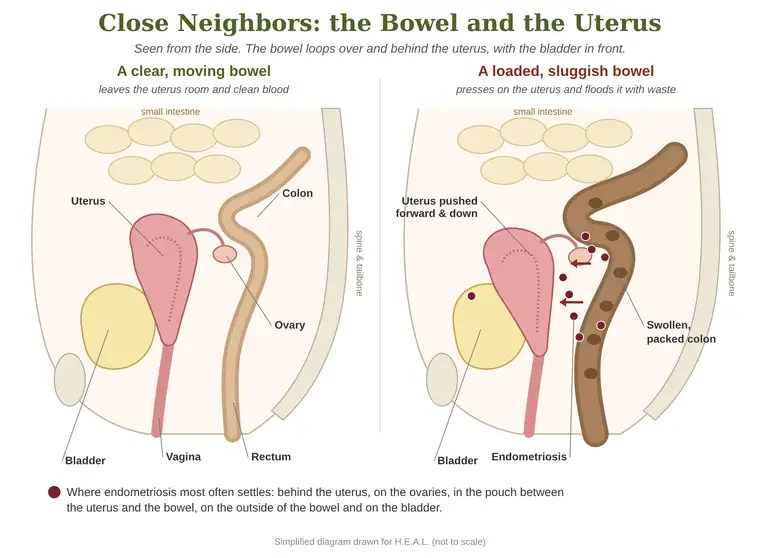
Endometriosis is what happens when tissue like that lining begins growing outside the uterus. It settles most often on the ovaries, on the ligaments and in the pouch behind the uterus, on the outside of the bowel and on the bladder (see the picture below). Wherever it lands, it still answers to the monthly hormones. Each cycle it swells and bleeds just as the lining inside the uterus does, but that blood has nowhere to go. It sits and irritates the tissue around it, the area becomes inflamed, and over months and years scar tissue forms. The scarring can glue neighboring organs together (adhesions), and on the ovaries the trapped old blood can form cysts, called endometriomas or “chocolate cysts.”

Side-view diagram of the pelvis: on the left a clear bowel leaves the uterus room; on the right a swollen, packed colon presses on the uterus, pushing it forward and down, with spots of endometriosis behind the uterus, on the ovary, on the bowel and on the bladder.
The bowel and the uterus are close neighbors. Simplified diagram drawn for H.E.A.L. (not to scale).

How It Develops

Medical science does not have one answer for why the tissue ends up where it does. The leading explanations are that some of the monthly flow travels backward through the fallopian tubes into the pelvis, which happens to most women at times; that the immune system, which normally clears that stray tissue, fails to do its job; and that the tissue is fed by too much estrogen and a body full of inflammation. What all of these have in common is a body that is overloaded and not clearing what it should.

That is where the bowel comes in. Look at the picture above: the colon loops right over and behind the uterus, and the rectum runs down its back. A bowel packed with old waste swells and presses on the uterus and its neighbors. The waste sitting there putrefies, and that poison is picked up by the blood and the lymph that serve the whole pelvis. Constipation also works against the hormones. The liver packs up used estrogen and sends it out through the bile into the bowel, to leave with the stool. When the stool sits, much of that estrogen is taken back into the blood, and more estrogen means more fuel for the misplaced tissue.

What Dara Has Seen

“It is completely preventable. I have found from my own observations that every woman I have supported with this issue has had a lifetime of chronic constipation. The bowels have putrefied the uterus.”

Dr. Christopher taught the same thing: many diseases, including disorders of the female organs, begin because the bowel and the bloodstream are filthy, and the first task is to clean them up and keep them clean. He shared Dr. Henry Bieler’s observation that when the diet overloads the body with wastes it cannot handle, the body pushes them out monthly through the uterus, using it like a garbage filter, until over the years the uterus breaks down. Dr. Christopher also counted the inorganic estrogen of birth control pills among the great contributors to female troubles.

What it feels like. Endometriosis affects roughly one woman in ten during the childbearing years, and many go years before they are diagnosed. The signs are periods that grow more painful over time, pelvic pain between periods, low back pain, pain with bowel movements or urination during the period, pain during intimacy, heavy or irregular bleeding, bloating, constipation or diarrhea that comes and goes with the cycle, deep tiredness, and trouble conceiving. How much it hurts does not always match how much is there: a little can hurt a great deal.

The only sure way medicine confirms endometriosis is by looking inside with a small camera (laparoscopy). An ultrasound can show cysts on the ovaries. The usual medical answers are hormone treatments that stop the cycle, surgery to remove the growths and, in the end, removing the uterus and ovaries. The growths often come back after surgery, which tells us the cause has not been touched. Dr. Christopher urged women to at least give the natural alternatives a try before surgery.

The Emotional Side: the Energy Work

Healing the whole person. We are body, mind and spirit, and all three must heal together. When one part is neglected, the other two cannot find complete healing. A person can follow a perfect herbal program, but if she stays in a life that keeps wearing her down, or never makes time to care for herself, the body will keep losing ground. Healing the body often means facing what is happening in the heart and spirit as well.

The female organs hold our feelings about being a woman: whether we feel safe, valued and cared for, and whether we care for ourselves. Louise Hay, in her book Heal Your Body, describes these patterns:

  • Endometriosis: feeling insecure, disappointed and frustrated; turning to sugar in place of loving yourself; blaming others. Turn it around: I am strong, and I am worth loving. Being a woman is a gift. I love myself, and my life is full.
  • Female problems in general: denying yourself; rejecting your own femininity and the feminine side of life. Turn it around: I am glad to be a woman. I love who I am, and I love my body.
  • Fibroids and cysts (endometriosis often forms cysts on the ovaries): nursing a hurt from a partner; a wound to your sense of yourself as a woman. Turn it around: I let go of the pattern in me that drew this hurt. I choose to bring only good into my life.
  • Constipation: refusing to let go of old ideas; stuck in the past; sometimes holding back and holding on. Turn it around: As I let go of the past, what is new, fresh and alive comes in. I let life flow through me.

Emotional patterns paraphrased from Louise Hay, Heal Your Body (Hay House).

Areas Affected & Opening the Way to Healing

Endometriosis involves the whole neighborhood of the pelvis: the uterus and its lining, the ovaries and fallopian tubes, the ligaments and pouch behind the uterus, and the outer walls of the bowel and bladder. Behind them all stand the liver, which must break down used hormones and clear the waste, and the kidneys, which carry it out. The work is to get the bowel moving and clean, open up the circulation in the pelvis so the stagnant blood and old tissue can be carried away, feed the female organs so they can rebuild, and keep the liver and kidneys clearing.

First, the Bowel

The bowel comes first and stays first the whole way through. Nothing else on this sheet can do its work while a loaded bowel is pressing on the uterus and pouring waste into it.

  • LBF (Lower Bowel Formula). Take 1 capsule with dinner the first day, 2 the second, 3 the third, and keep adding one a day until you have good, easy movements. Most people land at 3 to 5 a day; some need many more. There is no limit: the goal is two to three good movements a day. Once the bowel is moving, add the fiber blend so the bowel can be cleaned out as well as moved.
  • Water and food. Drink plenty of distilled water, and move toward Dr. Christopher’s mucusless diet: fresh fruits and vegetables, whole grains, nuts and seeds, with little or no meat, dairy, sugar, white flour or processed food. The diet that keeps the bowel clean is the diet that keeps the uterus clean.
  • High enemas. In the Focused and Incurables levels, a high enema with distilled water every other day, followed by a soothing implant (8 oz. aloe vera gel with 8 oz. distilled water), helps wash out the old waste packed in the colon.

Opening the Way: Packs, Warmth and Movement

  • Castor oil packs, every night. Soak a generous piece of flannel (at least a foot square) in castor oil, warm it, and lay it over the whole lower belly, from the navel to the pubic bone and from hip to hip. Cover with plastic wrap and a towel, add a hot water bottle, and leave it on all night. Castor oil draws circulation deep into the pelvis and helps soften and move congested tissue and old scar tissue. Don’t be stingy with the size or the oil. Baking soda with soap takes the oil off in the morning.
  • Hot and cold. A hot and cold sitz bath (sitting in hot water, then cold) or a hot and cold shower aimed over the lower belly and lower back, one minute hot and one minute cold, seven times, brings fresh blood in and carries the stagnant blood out. Massage the area as you go. Twice a day is ideal.
  • Abdominal massage. Gently knead the lower belly in the direction the colon moves (up the right side, across, and down the left) for 10 to 15 minutes a day, to help the bowel and to work the pelvic organs. Massaging while lying head-down on a slant board takes the weight of the bowel off the uterus.
  • Move. Walking, bouncing on a mini-trampoline or light jogging tones the bowel and the pelvic organs and moves the lymph. Start small and build up; never exercise to the point of exhaustion.

Drawing Out What Has Settled: the Vaginal Bolus

The bolus is an internal poultice. It works right where the trouble is, feeding and strengthening the female organs and drawing out the toxic waste that has settled there. Dr. Christopher reported many women clearing cysts, tumors and infections with this routine.

  • What goes in it. Equal parts of eight powdered herbs: squaw vine, slippery elm bark, yellow dock root, comfrey root, marshmallow root, chickweed, golden seal root and mullein. Work them into coconut oil until it reaches a pie-crust consistency, roll it into sticks about as thick as your finger, cut them about an inch long, and keep them in the refrigerator.
  • How to use it. Insert one at bedtime and wear a sanitary pad, not a tampon. Leave it in through the next day; a little coming out in the morning is normal. In the evening, douche with a pint of warm water and 2 tablespoons of fresh lemon juice or raw apple cider vinegar before inserting the next one. Six nights a week, resting over the Lord’s day. Pause the bolus during your period and start again once the flow has stopped. Not for a young woman who has not yet been sexually active.

Feeding the Female System

Dara keeps three formulas for the female system, each with its own job. For endometriosis, the Female Formula and Nu-Fem are the pair to use, and Nu-Fem is the one that rebuilds.

  • Female Formula: food for the female system. Chaste tree berry, wild yam, dong quai, damiana, licorice and hops. It gives the body the raw material to make and balance its own hormones and calms the nerves. The everyday dose is 1½ teaspoons a day, stopping the week of your cycle. Three months is the average time to bring a cycle back into balance; it is not unusual to skip a cycle the first month.
  • Nu-Fem: rebuilding the female organs. Dr. Christopher’s female corrective: golden seal, blessed thistle, false unicorn, red raspberry, squaw vine, cramp bark, uva ursi, ginger and a little cayenne. This is the formula that rebuilds the uterus, ovaries and tubes for endometriosis, cysts and fibroids, and it is added to the Female Formula. ½ to 1 teaspoon in a cup of distilled water two or three times a day, six days a week. Dr. Christopher saw many severe cases of years of suffering cleared up in 90 to 120 days.
  • Changease: hormonal food, only if needed. Black cohosh, sarsaparilla, ginseng, licorice, blessed thistle, squaw vine, shatavari and vitex. Not a regular part of the endometriosis program. Add it only when there is a clear need for hormonal food, such as the shifts of the teen years, after childbirth or around menopause: ½ to 1 teaspoon three times a day.
  • Red raspberry leaf tea. A cup or more a day. It has always strengthened the female organs, and it is the gentle start for young girls.
  • Potassium broth. Dr. Christopher taught that cysts and tumors will not grow where there is enough potassium. One to three cups a day of broth simmered from thick potato peelings, greens, celery, onion and garlic (see the Liver Flushing e-book for the full recipe).

Relief for the Hard Days

  • For cramps: Lobelia extract, usually one good dropperful (up to two, depending on the size of the person and how bad the pain is), or cramp bark extract, ½ to 1 teaspoon, in a little water. Within 10 to 15 minutes a wave of relaxation washes through and the uterus lets go. For pain that is already severe, alternate cramp bark and the antispasmodic tincture every 15 minutes, adding lobelia on the hour, until it eases. Starting at the first twinge works far better than waiting.
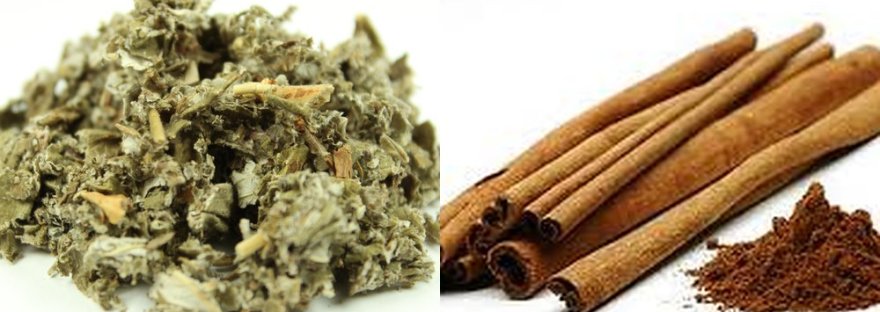
  • For a heavy flow: Ex-Mens Formula (red raspberry, prickly ash, blue cohosh, wild yam and cinnamon), 2 to 4 droppersful three or four times a day as soon as a heavy cycle begins, setting the Female Formula aside until the cycle has passed. The flow usually slows within a few hours. If bleeding goes past 7 days, or comes back too soon, Dara uses the Female Formula at 1 tablespoon a day in hot water for a day or two past the bleeding instead.
  • A castor oil pack and warmth over the lower belly on painful days, and rest.

Using Comfrey With Care

Comfrey root is one of the eight herbs in the vaginal bolus, where it feeds and rebuilds tissue. Used this way, as part of a blend placed right where it is needed, it is not taken in by mouth. Use the bolus six nights a week, resting one, as described above.

When to Get Medical Care

Herbs are support alongside medical care, not a replacement for it. Pelvic pain has many causes, so have new or worsening pain checked before assuming it is endometriosis. If you are trying to conceive, work with your doctor as well.

Emergencies: sudden, severe pain in the belly or pelvis (a burst or twisted ovarian cyst, or a pregnancy outside the uterus, can look like this), pain with fever and chills, fainting or dizziness, or bleeding that soaks a pad every hour for more than two hours. These need emergency care right away. For hemorrhage, Dr. Christopher’s remedy while you get help is a teaspoon of cayenne stirred into a glass of warm water.

Level of Commitment

Endometriosis is not a quick fix. It took years of a loaded bowel and an overloaded body to build, and it takes steady work to clear. Dara has seen many women who want to be well but are not willing to do the hard work it takes. Be honest with yourself about where you are:

What Dara Has Seen

“I have known several women who have worked with endometriosis. Sadly, none of them really put in the time and effort. They did find relief, and their symptoms eased and cleared up, but I don’t know of anyone who was able to become pregnant and have children.”

Relief can come with less, but if you hope to carry a child, give the program everything it asks, for as long as it takes.

  • Gentle support (prevention). For young women and girls with painful periods or a lifetime of constipation, before endometriosis takes hold. Get the bowel moving every day with LBF and good food, red raspberry leaf tea, and the Female Formula. This is where endometriosis is prevented.
  • Focused cleansing. For painful, heavy periods and pelvic pain that are building, or a milder case. Add Nu-Fem to the Female Formula, castor oil packs every night, hot and cold, the bolus six nights a week, high enemas, and weeks of liver flushing alternated with weeks of kidney flushing so the liver keeps clearing the old estrogen and waste.
  • Incurables Program. For diagnosed endometriosis. In Dara’s experience, true endometriosis needs the entire Incurables Program, because flushing the liver and kidneys clears the waste while the herbal supports rebuild the female organs. Everything on this sheet continues, along with the cold sheet treatment once or twice a week and cleansing the bloodstream with HEAL’s Blood Purifying formula. Blood Purifying contains chaparral, which has long been regarded as one of the strongest blood purifiers in herbal use. It has had years of bad press, but used wisely it supports the body in clearing growths, and over the years many members have used it to eliminate tumors. Use with care: take Blood Purifying in courses, not continuously: two dropperfuls 4 to 6 times a day for a week at a time, in a few ounces of grape juice, while drinking 64 to 128 oz. of liquid a day. Avoid it during pregnancy or nursing and with existing liver disease. If the skin or the whites of the eyes turn yellow, the urine turns dark, or there is pain under the right ribs, stop and have the liver checked.

More Is Not Faster

These doses are set to what the body can clear. Taking more stirs up more than the bowels, liver and kidneys can carry out, and that is when cleansing starts to feel like poisoning. Healing the body requires steady, consistent nutrition and action, not a bigger dose.

People are different, and now and then someone reacts poorly to a particular herb. If that happens, stop it. What I offer here is a guideline. You are the one living in your body, so work with the Holy Spirit and the wisdom the Lord has given you to apply these supports in the best way for your life.

A Loose Healing Plan

  1. Weeks 1–2: Open the bowel. Start your Foundational Program (Superfood and juicing, Echinacea, and bowel cleansing with LBF). Build up the LBF until the bowel moves two to three times a day, drink plenty of water, and begin moving toward the mucusless diet. Nothing else works until this does.
  2. Weeks 1–2: Begin feeding. Start the Female Formula, and add Nu-Fem as soon as the bowel is moving. Red raspberry leaf tea daily. Keep lobelia or cramp bark on hand for the hard days.
  3. Week 2 onward: Open the way. Castor oil packs over the lower belly every night, hot and cold once or twice a day, and abdominal massage and gentle movement daily. Begin the vaginal bolus six nights a week, with the lemon or vinegar douche each evening, pausing it during your period.
  4. Weeks 3 onward: Flush. A week of liver flushing, then a week of kidney flushing, for as many rounds as your level of commitment calls for. For diagnosed endometriosis, this is the full Incurables Program, with Blood Purifying in week-long courses and the cold sheet treatment once or twice a week.
  5. About 3 to 4 months: Take stock. Most women see the cycle steady and the pain lessen within three months; Dr. Christopher looked for results in 90 to 120 days. Many need to repeat the 30-day Incurables cycle a number of times. Ease down to the Focused level as you improve, and keep the bowel moving and the Female Formula going for life.

Stories from the Work

A Tipped Uterus Set Right (from Dr. Christopher)

A woman of about 45 came to Dr. Christopher with serious female troubles. Her transverse colon had dropped so low that it had tipped her uterus and pinched her bladder; both ovaries were infected, and she had a vaginal discharge. A clinic had confirmed it all and wanted to remove her uterus and stitch up her bladder. Frightened of the surgery, she asked for another way.

She took the female corrective and hormone formulas, used the vaginal bolus six nights a week with the slant board routine and daily abdominal massage, did the three-day cleanse and mucusless diet, drank a gallon of distilled water a day with plenty of red raspberry leaf tea, and kept her bowels clean with the lower bowel formula and her blood clean with the red clover combination. Six months later she came back a different woman. With no operation, her colon had gone back into place, and her uterus and bladder had returned to their proper position.

More on the Female System

This information is for education only. It is not meant to diagnose, treat or replace care from a qualified health professional.
Herbal Healing, Herbs & How to Use Them, Organs & Glands, Women's & Men's Health

A Bitter Tea Worth Making: Support for the Prostate and Urinary Tract

Some formulas earn their place by how well they work, not by how pleasant they are. This is one of them. Dr. Christopher put it together in response to a patient in real distress, to help with kidney stones, infection and sediment in the prostate gland. It brings together seven herbs for the whole urinary tract: kidneys, bladder and prostate.

It is also one of the most bitter teas you will ever drink, and one of the most expensive to make. That is exactly why you won’t find it on many shelves, and why I want you to know how to make it yourself.

What a Good Formula Contains

A good formula for the prostate and urinary tract might contain these seven herbs, all powdered:

  • Goldenseal Root, 3 parts. The backbone of the formula. A powerful, very bitter herb, long used to support the mucous membranes and the body against infection.
  • Gravel Root, 1 part. Its name tells you its traditional use: helping the body clear gravel and stones from the urinary tract.
  • Marshmallow Root, 1 part. Soothing mucilage that coats and protects irritated tissue and eases the passage of whatever needs to leave.
  • Parsley Root, 1 part. Gets the fluids moving and flushes the kidneys.
  • Juniper Berries, 1 part. A traditional urinary antiseptic that wakes up sluggish kidneys.
  • Lobelia, 1 part. Relaxes spasm and tension so the passages can open.
  • Cayenne, 1 part. Drives circulation and carries the other herbs where they are needed.

“Parts” can be any measure you like, as long as you use the same one for every herb. A handy batch is 3 tablespoons of Goldenseal and 1 tablespoon each of the other six, a little over half a cup in all.

Putting It Together

Stir the powders together until they are evenly blended, and keep them in a tightly closed glass jar. For a cup of tea, stir 1 teaspoon of the powder into a cup of hot water, let it steep a few minutes, and drink it, powder and all. If the bitterness is more than you can face, fill #00 capsules with the powder instead.

How to Take It

For daily support, take 2 capsules in the morning and 2 at night. When the need is urgent, drink half a cup of the tea frequently throughout the day.

Why It’s Worth Making Yourself

Goldenseal is one of the most expensive herbs there is, and this formula uses a lot of it. Most people only need it now and then, so a large batch sits for years before it is used up. It makes far more sense to mix a small batch yourself when you need it. Don’t let the cost or the bitterness talk you out of it. This is a valuable formula, and it does help.

Keep the Whole System Supported

For ongoing prostate care, see Keeping the Prostate Clear. To feed and flush the kidneys, see Food for the Kidneys: A Daily Formula and Tea. And drink plenty of pure water; whatever these herbs loosen has to have a way out.

This is shared for educational purposes, from my own study and experience. It is not medical advice.

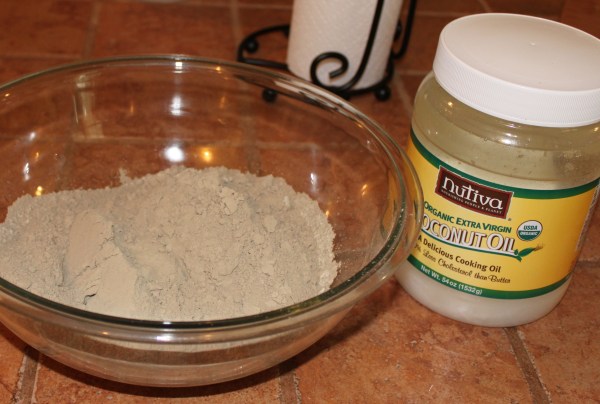
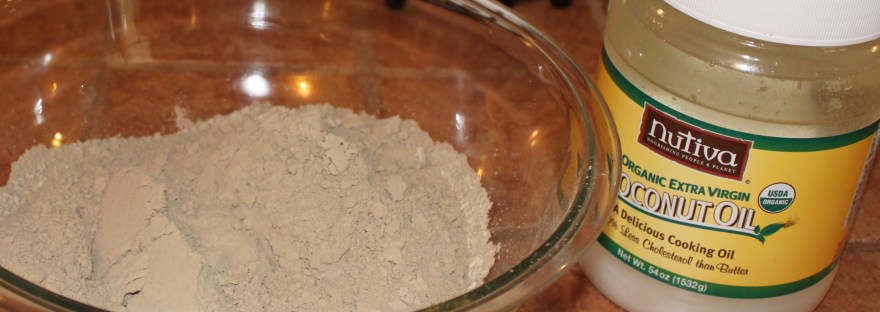
LBF #1 powder in a glass bowl beside a jar of coconut oil
Herbal Healing, Women's & Men's Health

An Herbal Bolus for Weak, Sickly Female Organs

When the female organs are weak and sickly, they become a dumping ground for toxic waste from the rest of the body. Endometriosis, cysts and many other female problems grow out of that toxic load. An herbal bolus works right where the trouble is, feeding and strengthening the female organs and drawing out what has settled there, as part of a full healing program.

Start with the Bowel

The bowel sits right against the female organs. Any constipation held in the bowel presses on them, and the waste seeps into them and pollutes them. A constipated bowel destroys the female system. So before anything else, and all the way through, keep the bowel open and moving well; see Helping Sluggish Bowels Move Again.

What a Good Bolus Formula Contains

A good bolus formula might contain equal parts of these eight herbs, all powdered:

  • Squaw Vine. A classic female herb, used to tone and strengthen the uterus.
  • Slippery Elm Bark. Its soothing mucilage protects tender tissue and helps hold the bolus together.
  • Yellow Dock Root. A blood cleanser, used to help draw out toxins.
  • Comfrey Root. Known as “knitbone,” used to support the growth of new cells and tissue.
  • Marshmallow Root. Softens and soothes irritated, inflamed tissue.
  • Chickweed. Used to help dissolve unwanted growths and deposits.
  • Goldenseal Root. Long used to support the mucous membranes and keep tissue clean.
  • Mullein. A gentle drawing herb for the glands and lymph.

Making the Bolus

Powdered herbs in a glass bowl beside a jar of coconut oil

Work the powdered herbs into coconut oil until it reaches a pie-crust consistency: firm enough to hold its shape, soft enough to roll. Roll it into sticks about as thick as your finger and cut them about 1 inch long. Chill them until firm, and keep them in the refrigerator.

Using It

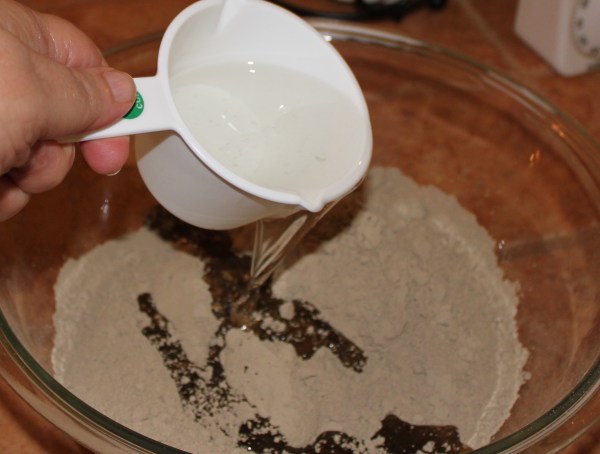
Melted coconut oil being poured into a bowl of powdered herbs

Insert one bolus at bedtime, and wear a sanitary pad, not a tampon. Leave it in through the next day; a little coming out in the morning is normal. In the evening, douche to clean out the area before inserting the next one. A pint of warm water with 2 tablespoons of fresh lemon juice or raw apple cider vinegar works well.

Use it 6 nights a week, resting over the Lord’s day.

Feeding the Female System from the Inside

The bolus works from the outside in. Pair it with the formulas that feed the female system from the inside: Rebuilding a Worn-Down Female System and Food for the Female System.

This is shared for educational purposes, from my own study and experience. It is not medical advice.

Herbal Healing, Women's & Men's Health

A Focused Blend for Male Hormone Balance

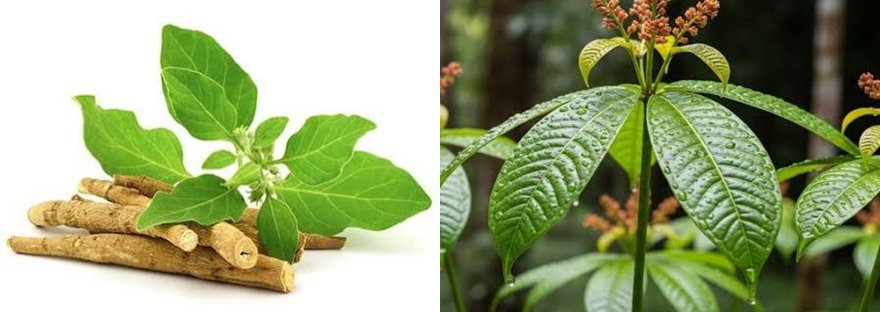
This is a smaller, more focused blend for men, built to support the body’s own hormonal balance and vitality. Ashwagandha, Fenugreek and Tongkat Ali form its heart, with Tribulus, Maca and Ginseng added for stamina, energy and libido.

What a Good Male Hormone Formula Contains

A good formula for male hormone balance might contain these six herbs:

  • Ashwagandha Root, 3 parts. A well-known adaptogen that helps the body handle stress and supports healthy hormone balance, energy and stamina.
  • Fenugreek Seed, 3 parts. Long used to support men’s vitality and hormonal health, and a supportive food for stamina.
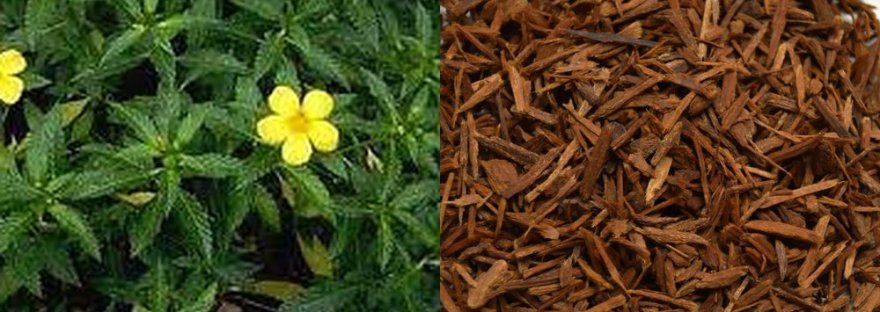
  • Tongkat Ali Root, 2 parts. A Malaysian herb long used to support male vitality, stamina and healthy testosterone levels.
  • Tribulus Terrestris, 1 part. Used to support libido and physical performance.
  • Maca Root, 1 part. A root from the Andes, valued for energy, stamina and libido.
  • Ginseng, 1 part. One of the most used herbs for vitality, supporting energy, stamina and healthy sexual function.

“Parts” can be any measure you like, as long as you use the same one for every herb. By weight, that’s 3 ounces each of Ashwagandha and Fenugreek, 2 of Tongkat Ali, and 1 each of the rest.

Putting It Together

Put the dry herbs in a glass jar and pour in 80-proof vodka. Once the herbs have settled, you want about 60% herb sediment on the bottom and 40% liquid on top. Shake the jar every day. The traditional timing follows the moon, from the new moon to the full moon, about two weeks. I prefer to let my extracts sit a full three months, which makes them good and strong. Then strain and bottle the liquid.

How Much and How Often

2 to 3 droppersful, two to three times a day, or as needed.

For a broader blend for men’s energy, see Herbs for Men’s Energy and Vitality, and for the prostate, Keeping the Prostate Clear.

This is shared for educational purposes, from my own study and experience. It is not medical advice.

Herbal Healing, Women's & Men's Health

Herbs for Men’s Energy and Vitality

This is a blend for men’s energy, stamina and healthy male function. It brings together a mix of ginseng roots, Damiana and Yohimbe for vitality and drive, Sarsaparilla and Saw Palmetto for hormonal and prostate support, and Ginger, Kola Nut and Oat Seed to round it out.

What a Good Male Formula Contains

A good formula for men’s vitality might contain these herbs:

  • Ginseng Root Mix, 11 parts. The heart of the formula: Wild American “Blue Ridge” Ginseng, Chinese and Korean Ginseng, and Siberian Ginseng roots, for energy, stamina and male vitality.
  • Damiana Leaf, 3 parts. Long used to support male energy and healthy sexual function.
  • Yohimbe Bark, 3 parts. An African bark used to support blood flow and male vitality.
  • Sarsaparilla Root, 2 parts. Supports hormonal balance and healthy male function.
  • Ginger Rhizome, 1 part. A warming carrier herb that directs the rest of the formula to the lower body.
  • Kola Nut, 1 part. Stimulating to energy and alertness.
  • Oat Seed, 1 part. A nourishing food for the nervous system, long valued for vitality.
  • Saw Palmetto Berry, 1 part. One of the most trusted herbs for men’s health, supporting the prostate and a healthy balance of male hormones.

“Parts” can be any measure you like, as long as you use the same one for every herb. By weight, that’s 11 ounces of the ginseng mix, 3 each of Damiana and Yohimbe, 2 of Sarsaparilla, and 1 each of the rest.

Yohimbe is a strong-acting herb. It isn’t one for anyone with heart or blood pressure trouble, or anyone taking medication for those.

Putting It Together

Put the dry herbs in a glass jar and pour in 80-proof vodka. Once the herbs have settled, you want about 60% herb sediment on the bottom and 40% liquid on top. Shake the jar every day. The traditional timing follows the moon, from the new moon to the full moon, about two weeks. I prefer to let my extracts sit a full three months, which makes them good and strong. Then strain and bottle the liquid.

How Much and How Often

1 to 2 droppersful (35 to 70 drops), three times a day. It does its best work taken steadily for 3 to 4 months, alongside a good foundational diet and lifestyle.

For the prostate itself, see Keeping the Prostate Clear, and for hormonal balance in both men and women, Hormonal Food for Men and Women.

This is shared for educational purposes, from my own study and experience. It is not medical advice.

Herbal Healing, Women's & Men's Health

Bringing a Heavy Cycle Back to Normal

A heavy cycle can catch anyone off guard, and it can be especially unsettling for a younger woman still learning what’s normal for her body. This formula is short-term support, taken right at the start of a heavy cycle, to bring the flow back down to something manageable without stopping the body’s natural monthly cleansing.

It was a real help to me years ago, when I needed to bring an especially heavy flow back to a normal cycle. That’s why I still reach for it, and why I recommend it to newer members just getting a handle on heavy bleeding.

What a Good Formula for a Heavy Cycle Contains

A good formula for a heavy cycle might contain these five herbs:

  • Red Raspberry Leaf, 4 parts. The anchor. A common plant but a powerful one, with a real affinity for the female organs, toning and regulating them better than almost any other herb.
  • Prickly Ash, 2 parts. Acts on the circulation and the nerves, long used for painful and irregular periods.
  • Blue Cohosh, 2 parts. “Woman’s best friend,” helping bring the cycle back into a normal rhythm.
  • Wild Yam, 2 parts. Relaxes the muscle fibers and soothes the nerves, easing pain centered in the uterus.
  • Cinnamon, 1 part. A warming tonic whose natural astringency helps stem excess bleeding.

“Parts” can be any measure you like, as long as you use the same one for every herb. By weight, that’s 4 ounces of Red Raspberry, 2 each of Prickly Ash, Blue Cohosh and Wild Yam, and 1 of Cinnamon.

Putting It Together

Put the dry herbs in a glass jar and pour in 80-proof vodka. Once the herbs have settled, you want about 60% herb sediment on the bottom and 40% liquid on top. Shake the jar every day. The traditional timing follows the moon, from the new moon to the full moon, about two weeks. I prefer to let my extracts sit a full three months, which makes them good and strong. Then strain and bottle the liquid.

How Much and How Often

  • As soon as a heavy cycle begins, start this formula and set aside your everyday female formula until the cycle has passed.
  • Take 2 to 4 droppersful (a dropper is about ¼ teaspoon) three to four times a day. The flow should begin to slow within a few hours.
  • It’s meant to be temporary, usually just a couple of months at the start of the cycle, while the everyday formula does the real work of balancing the hormones the rest of the month. Once that balance takes hold, the extra help usually isn’t needed.

For unexpected or menopause-related breakthrough bleeding, I use the higher-dose protocol in Food for the Female System instead.

Stress and the Cycle

Emotional stress affects the cycle as much as anything you take. Any time you take an emotional gut punch, your immune system and your hormones take the hit together. You can choose your reactions to life’s ordinary ups and downs, and learning to meet them with steadiness and dignity is as much a part of hormonal health as any herb.

This is shared for educational purposes, from my own study and experience. It is not medical advice.

Herbal Healing, Women's & Men's Health

Rebuilding a Cycle That Has Gone Wrong

This is one of Dr. Christopher’s own formulas, built to rebuild a reproductive system that isn’t working as it should, and to restore good timing when periods are painful, irregular, delayed or gone altogether. Over the years, women have seen painful periods, cramping, heavy flow and irregularity ease as these herbs go to work.

One story stays with me. A member’s close friend had gone years without a menstrual cycle at all. When the two of them came to me, unsure what else to try, I suggested this formula; when Dr. Christopher believed something would restore a cycle, it usually did. Several months later I heard the good news: her cycle had returned, and not long after, the two of them were married.

Herbs support the physical side of restoring a cycle, but they don’t replace the deeper work of resolving chronic stress, unprocessed anger or emotional trauma. Those affect the hormones and the immune system directly, and working through them is often just as necessary.

What a Good Formula for a Struggling Cycle Contains

A good formula for a struggling cycle might contain these five herbs:

  • Motherwort, 8 parts. Mainly a womb remedy, used for painful, delayed or suppressed periods.
  • Chamomile Flowers, 6 parts. A mild, relaxing herb that calms the nerves through the ups and downs of a cycle.
  • Blue Cohosh Root, 4 parts. Long called “woman’s best friend.” It regulates a habitually late cycle and helps restore a flow delayed by shock, chill or a cold.
  • Goldenseal Root, 1 part. A tonic and gentle cleanser for the whole reproductive system.
  • Ginger Root, 1 part. Carries the other herbs down into the abdomen.

“Parts” can be any measure you like, as long as you use the same one for every herb. By weight, that’s 8 ounces of Motherwort, 6 of Chamomile, 4 of Blue Cohosh and 1 each of Goldenseal and Ginger.

Putting It Together

Put the dry herbs in a glass jar and pour in 80-proof vodka. Once the herbs have settled, you want about 60% herb sediment on the bottom and 40% liquid on top. Shake the jar every day. The traditional timing follows the moon, from the new moon to the full moon, about two weeks. I prefer to let my extracts sit a full three months, which makes them good and strong. Then strain and bottle the liquid.

How Much and How Often

2 to 4 droppersful (about ½ to 1 teaspoon) in 8 ounces of hot water, sweetened with honey if you like, three times a day.

For everyday balance, see Food for the Female System, and for a cycle that has turned too heavy, Bringing a Heavy Cycle Back to Normal.

This is shared for educational purposes, from my own study and experience. It is not medical advice.

Herbal Healing, Herbs & How to Use Them, Women's & Men's Health

Keeping the Prostate Clear

The prostate is a small gland with three lobes that make seminal fluid, and the tube that empties the bladder passes right over its middle lobe. In later life the prostate often becomes enlarged, and when it does, it begins to close off that tube. The first sign is usually a weaker stream. Left alone, the blockage can become very serious.

Dr. Christopher taught that the enlargement comes from mucus and sediment collecting in the gland, often in a body whose own male hormones are no longer enough to keep it working well. Sandwich meat slices and beef products are the worst offenders, and they do the prostate no favors. So the work is to clear out what has collected, keep the urine flowing, and feed the gland what it needs.

What a Good Prostate Formula Contains

A good formula for the prostate might contain these nine herbs:

  • Saw Palmetto Berry, 4 parts. The lead herb, and one of the most trusted herbs for men’s health. It has long been valued for supporting the prostate and a healthy balance of male hormones.
  • Pygeum Bark, 3 parts. An African bark used for generations to ease an enlarged prostate and the urinary trouble that comes with it.
  • Nettle Root, 1 part. Works hand in hand with Saw Palmetto to support a healthy prostate and an easier flow of urine.
  • Cleavers, 1 part. A cleansing herb for the lymph and the urinary tract, helping to clear the congestion that collects in the gland.
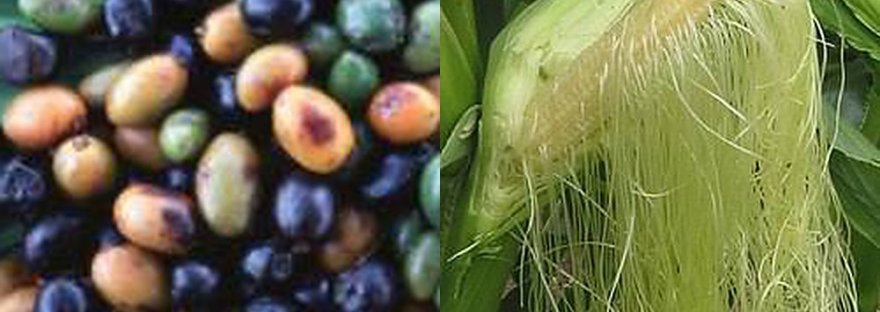
  • Corn Silk, 1 part. Soothing to the whole urinary tract, easing irritation and supporting a good flow.
  • Juniper Berry, 1 part. Removes waste through the kidneys, and strengthens and builds the urinary passages and the bladder.
  • Uva Ursi Leaf, 1 part. A classic herb for the urinary system, toning and cleansing the tract.
  • Thuja Leaf, 1 part. Long used for growths and congestion in the glands.
  • Oat Tops, 1 part. A nourishing food for the nerves and a traditional support for male vitality.

“Parts” can be any measure you like, as long as you use the same one for every herb. By weight, that’s 4 ounces of Saw Palmetto, 3 of Pygeum and 1 ounce each of the other seven.

Putting It Together

Put the dry herbs in a glass jar and pour in 80-proof vodka. Once the herbs have settled, you want about 60% herb sediment on the bottom and 40% liquid on top. Shake the jar every day. The traditional timing follows the moon, from the new moon to the full moon, about two weeks. I prefer to let my extracts sit a full three months, which makes them good and strong. Then strain and bottle the liquid.

How Much and How Often

The amount is 1 teaspoon each time. How often depends on how big the issue is:

  • Maintaining a healthy prostate: 1 teaspoon once a day.
  • Issues that are under control: 1 teaspoon two or three times a day.
  • Working through active issues on a good program: 1 teaspoon every three hours, five times a day.

Body size makes a real difference in how much of any formula a person needs, so adjust the amount to what actually works. Going completely meat-free while the prostate is recovering is very important; once the body has recovered, you can decide what you can safely begin eating again. Keep the bowels moving well, too, so the gland isn’t fighting a constant new supply of waste.

This is shared for educational purposes, from my own study and experience. It is not medical advice.

Black cohosh plants beside shatavari roots
Herbal Healing, Herbs & How to Use Them, Organs & Glands, Women's & Men's Health

Hormonal Food for Men and Women

Hormones aren’t something you can simply add to the body and expect balance. The body makes its own, and it needs the raw materials to do it. This combination is a hormonal food: it provides the raw material for the body to make whatever hormones it calls for. And because hormones are a need for everyone, it can be used by men and women alike.

It’s especially helpful through the natural hormonal shifts of adolescence, pregnancy and menopause. It helps balance the hormones, eases the tension that so often rides along with reproductive change, and supports both the adrenal glands and the heart as they carry the body through that change.

What a Good Hormonal Food Formula Contains

This one uses eight herbs, in equal parts:

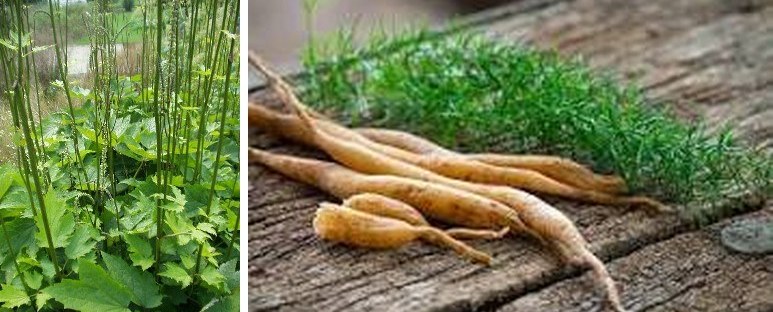
  • Black Cohosh, 1 part. A classic women’s herb and nervine. It supports hormonal balance and eases the tension and nervousness of reproductive change, while feeding and strengthening the nervous system.
  • Sarsaparilla, 1 part. A natural source of steroidal saponins that support healthy hormone balance in both men and women, traditionally used as a glandular tonic and for prostate support.
  • Ginseng, 1 part. A well-known adaptogen supporting energy, memory and healthy sexual function in men and women, and helping the body handle the stress of hormonal transition.
  • Licorice, 1 part. Supports the adrenal glands and eases the irritability and nervous exhaustion that so often come with hormonal change.
  • Blessed Thistle, 1 part. Supplies vitamins, minerals and hormone-supportive compounds, long included in women’s formulas to balance hormones through cycle changes and puberty.
  • Squaw Vine, 1 part. Tones and strengthens the uterine area, and was traditionally used in the final weeks of pregnancy to prepare the muscles for birth.
  • Shatavari, 1 part. A cooling, deeply moistening adaptogen that brings relief for hot flashes, night sweats and dryness, balancing the blend’s warmer herbs.
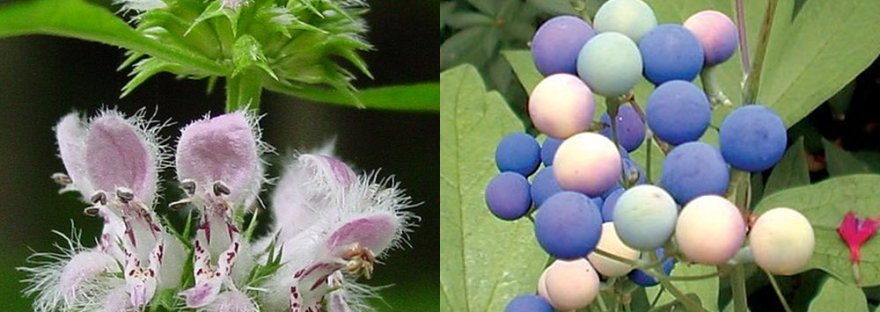
  • Vitex (Chaste Tree Berry), 1 part. Acts on the pituitary gland to encourage healthy progesterone production, easing mood swings and irregular cycles, especially in perimenopause.

“Parts” can be any measure you like, as long as you use the same one for every herb. By weight, that’s simply equal ounces of all eight.

Why Shatavari and Vitex

This formula once used False Unicorn Root, a pelvic tonic long valued in Western herbalism. False Unicorn has become hard to find as wild supplies are over-harvested, and it is now on the United Plant Savers At-Risk list. Rather than keep drawing on a scarce wild plant, I replaced it with Shatavari and Vitex. Together they cover what False Unicorn provided and more: Shatavari’s cooling, moistening help for hot flashes and dryness, and Vitex’s support for the pituitary’s part in a balanced cycle.

Putting It Together

Put the dry herbs in a glass jar and pour in 80-proof vodka. Once the herbs have settled, you want about 60% herb sediment on the bottom and 40% liquid on top. Shake the jar every day. The traditional timing follows the moon, from the new moon to the full moon, about two weeks. I prefer to let my extracts sit a full three months, which makes them good and strong. Then strain and bottle the liquid.

How Much and How Often

½ to 1 teaspoon, three times a day.

Three Formulas, Three Jobs

I keep three formulas for the female system, and each has its own job:

  • The everyday formula: basic food for the female system, a balancing formula for every woman from puberty on. It’s the starting place for anyone needing support.
  • The structural formula: for rebuilding and revitalizing a female system that has been worn down, as part of a program for endometriosis, cysts and similar troubles.
  • The hormonal formula (this post): hormonal food that gives the body the raw material to make whatever hormones it calls for, for men and women alike.

This is shared for educational purposes, from my own study and experience. It is not medical advice.