The pan scored into small squares
Cleansing & Flushing, Digestion & Gut, Herbal Healing

Bowel Formula Squares: An Easier Way to Take Your Herbs

Not everyone can swallow a handful of capsules, and the herbs in a good lower bowel formula are bitter. Here is a simple way around both problems: make the powder into coconut oil squares. The coconut oil masks the bitter taste, and small chunks go down easily with a swallow of juice.

A dear doctor friend of mine, who practiced well into her nineties, made these squares for all of her patients who needed a lower bowel formula. She bought the powder 30 pounds at a time.

What You Need

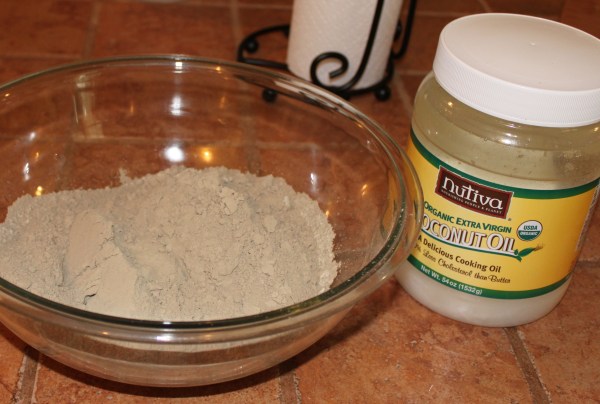
LBF #1 powder in a glass bowl beside a jar of coconut oil

1 pound of lower bowel formula powder (see Helping Sluggish Bowels Move Again for what goes into it), 1 cup of coconut oil, and a foil-lined cookie sheet.

Making the Squares

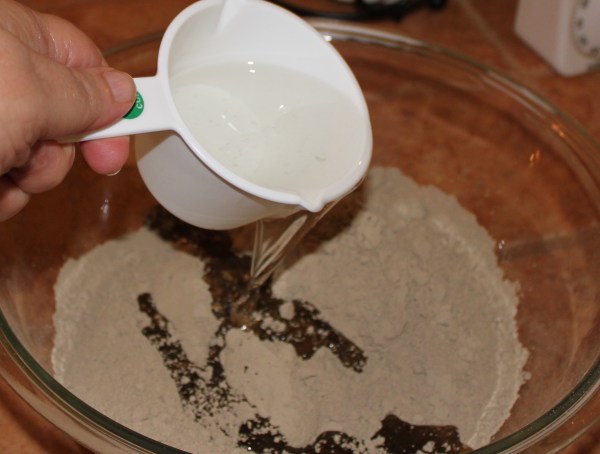
Melted coconut oil being poured into the powder

Melt the coconut oil and pour it into the powder.

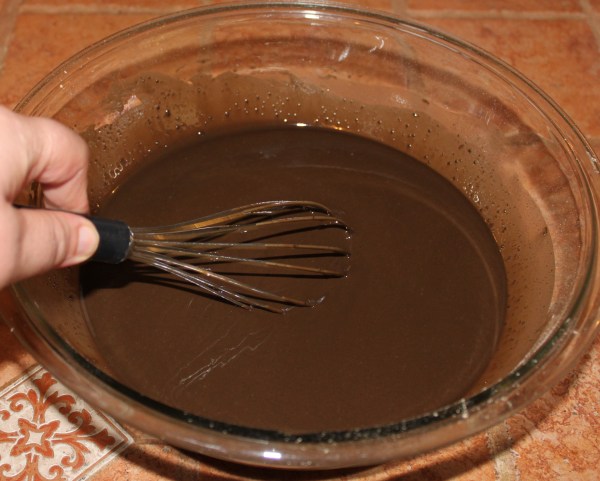
Whisking the powder and oil until smooth

Whisk until it is completely smooth, then pour it onto the foil-lined cookie sheet and spread it evenly.

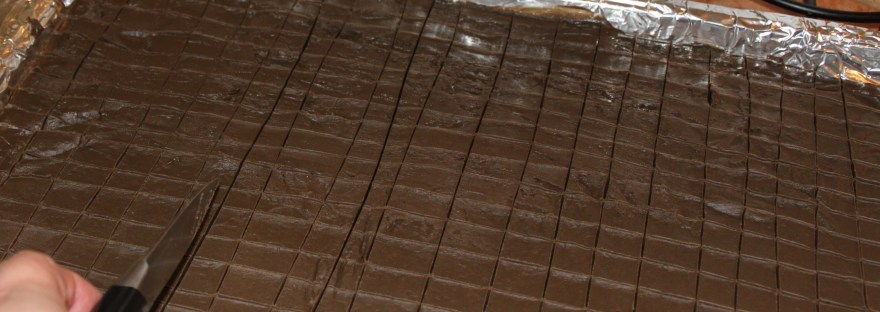
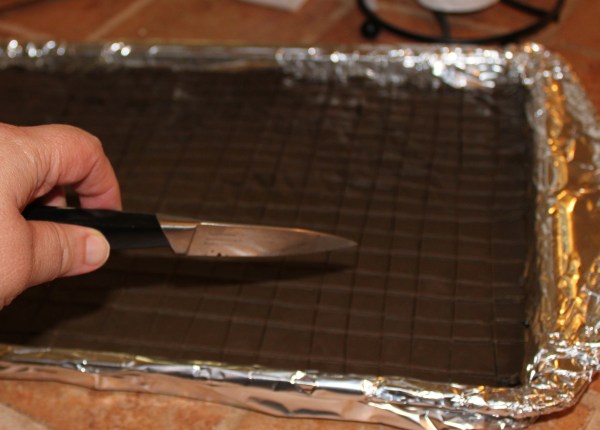
Scoring the set mixture with a knife

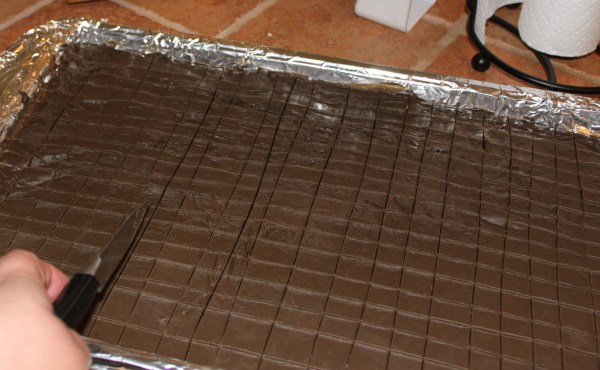
Chill it just until it is firm enough to hold a knife line but still soft: about 4 to 5 minutes in the freezer, or 15 to 20 in the refrigerator. Then score it into squares. I always did 14 cuts the long way and 10 the short way. Whatever size you choose, cut it the same way every time, so every square holds the same amount.

The pan scored into small squares

Put the pan back in the refrigerator for a few hours or overnight. The squares will break apart evenly along the score lines. Store them in the dairy compartment of your refrigerator.

Taking Them

Build up just as you would with capsules: 1 square the first day, 2 the second, 3 the third, and so on, until your bowels are moving well. Once you know how much you need, you can cut future batches to suit your own dose.

Don’t try to swallow a whole square; it can get stuck in the throat. Cut each square into small chunks with a paring knife. Put a spoonful in your mouth and wash it down with a swallow of Superfood or juice. They float right down, and you will hardly taste the herbs.

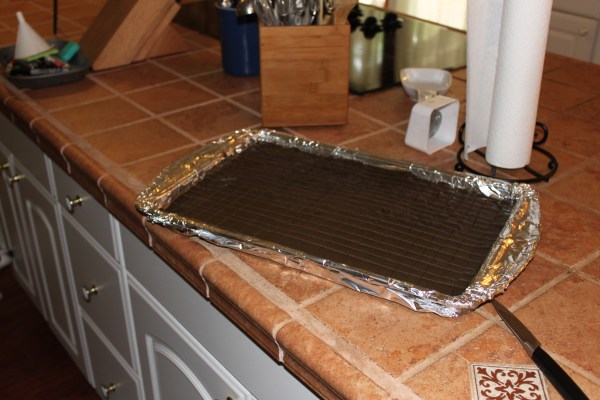
The finished pan of squares on the counter

This is shared for educational purposes, from my own study and experience. It is not medical advice.

Digestion & Gut, Herbal Healing, Skin, Wounds & First Aid

A 911 for Vomiting and Diarrhea

This fiber blend does two very important jobs. In a bowel cleansing program it is the bowel vacuum, pulling inflammation from the bowel walls and carrying out the waste the body releases as it heals. And every home should have a jar of it on the shelf for the middle of the night, when a stomach bug or a bad bit of food has the body purging from one end or the other. Then it soaks up the acid, bacteria and poisons that are causing the trouble, and it soothes the raw tissue while it works.

What a Good Absorbing Fiber Blend Contains

A good absorbing fiber blend might contain these nine ingredients, all powdered:

  • Psyllium Husk Powder, 8 parts. The bulk of the blend. It swells into a gel that firms up loose stool and carries waste out.
  • Flax Seed, 2 parts. Soothing, lubricating fiber.
  • Apple Pectin, 2 parts. A gentle, binding fiber long used to settle diarrhea.
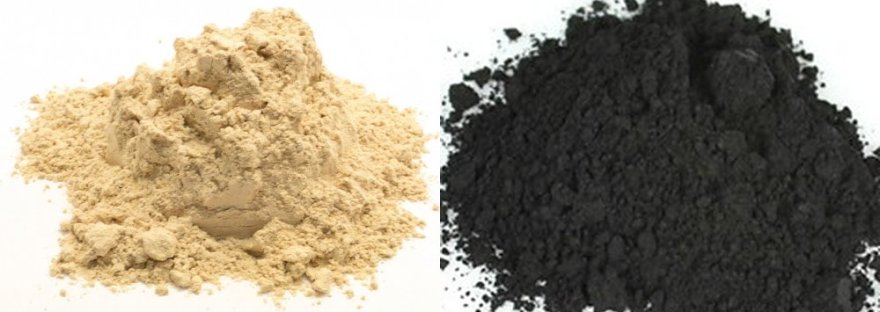
  • Bentonite Clay, 2 parts. Draws toxins and bacteria to itself and carries them out of the body.
  • Activated Charcoal, 2 parts. One of the great absorbers. It soaks up poisons and gas in the gut.
  • Slippery Elm Bark, 2 parts. Coats and soothes raw, irritated tissue all the way down.
  • Marshmallow Root, 2 parts. Another soothing, coating herb that calms inflamed membranes.
  • Peppermint, 1 part. Settles the stomach and eases cramping.
  • Plantain, 1 part. A healing, drawing herb for irritated tissue.

“Parts” can be any measure you like, as long as you use the same one for every ingredient. By weight, that’s 8 ounces of Psyllium, 2 ounces each of the next six, and 1 ounce each of Peppermint and Plantain. Mix the powders well and keep them in a tightly closed jar.

The Bowel Vacuum

This is the blend’s most important work. As part of a bowel cleansing program it acts as a bowel vacuum. It pulls inflammation from the bowel walls, and it helps carry out the toxic waste the liver dumps when the body is going through a healing program.

Because it is so absorbing, it needs a lower bowel formula working alongside it, or it can stop you up with a brick in your bowels. So the lower bowel formula of your choice comes first (see Helping Sluggish Bowels Move Again). Spend about a week finding your number of capsules, and if your bowels still aren’t regulated, give it another week before moving on.

When your bowels are moving well, increase your capsules by 1 or 2 the night before you begin the vacuum the next morning. Someone already taking 10 or more capsules may need 2 or more extra to pass the vacuum well. It all depends on the person, their size, and the state of disease in the body. Then take 1 rounded teaspoon about every 3 hours through the day, which comes to five doses a day, for a two-week bowel cleanse. A rounded teaspoon is right for almost everyone. For someone very large, or with serious bowel disease, a bit more may prove helpful. If your bowels seem too tight at the end of the day, add another capsule. If they’re a bit too loose, drop one. You are in charge. The lower bowel formula keeps the bowels moving well while the vacuum does the heavy cleansing and healing work.

Drink plenty of liquid during the cleanse: an extra glass of water after each dose, and lots of pure water, herb teas and diluted juices through the day. It makes the whole program work better.

And what are we aiming for? A healthy bowel moves once for every meal you eat. If you eat three meals, you should have three bowel movements.

For someone with Crohn’s disease, colitis or irritable bowel syndrome, where loose, irritated bowels are the problem, it may be necessary to back into the healing program by starting with this blend first. Sometimes the lower bowel formula isn’t used at all, because the bowels are so sick and loose that they just need this blend. Taken daily, it soothes the bowel and firms up the stool. Some find one teaspoon a day does the job, others need three, and it can be used for as long as it’s needed.

I know this one firsthand. In the late ’90s I was working in social service, and my own bowels were a real mess: horrid cramps one day and constipation the next. That’s when I first discovered this blend. I took it for nine months. I wasn’t perfect with the dosing, but at the end of those nine months the cramping and constipation stopped. My bowels have never worked quite right, but they are healthy now, and I don’t suffer, as long as I take my poop pills.

In an Emergency

The blend thickens fast. Put it in water or juice in a jar with a lid and shake it. Don’t expect to stir it, because it won’t stir. Then drink it all at once, before it sets up. Water or juice is fine either way. If blood sugar is a concern, water the juice down.

Cramping bowels. If the bowels are crampy, even if you’re not passing anything (the old folks called it griping), shake one rounded teaspoon in about 6 ounces of water and drink it down. In about ten minutes your bowels will be right as rain.

Wet, crampy stool. If you’re passing wet, solid stool with cramping, take the same rounded teaspoon each time the bowels produce the crampy stool. Usually one dose clears it, but if you need more it is not a problem.

Watery diarrhea. If you’re passing water from the bowels, shake a full tablespoon in 12 ounces of water and drink it all at once. Repeat each time you pass water. This can be repeated as long as needed to tighten the bowels back up. Drink extra water along the way to replace what you’re losing.

Don’t get ahead of the problem. Don’t anticipate and take more than you need, because it can over-tighten the bowels. Take another dose only when the bowels produce the problem.

For Vomiting

Shake a full tablespoon in 12 ounces of water and drink it all at once. It absorbs the acid or bacteria in the stomach that is making your insides want to purge. Either it settles the stomach, or it comes back up. Most people throw it up rather quickly, but it comes up like applesauce and is not harsh on the tissue in the throat.

Once it has come back up, the stomach-settling herbs will now work very well. Peppermint tea, an ounce of ginger root juice, or a teaspoon of a good digestive tonic in a cup of hot water all help. The digestive tonic can also be mixed in equal parts with a liver and gallbladder formula. See Fast Relief for an Upset Stomach and Cleansing the Liver and Gallbladder, and Clearing Parasites.

For Children

Dose children by weight. Put the child’s weight over 150 pounds, and give that share of the adult dose. I round their weight to make it easy: a 50-pound child gets a third of the adult dose, and a 75-pound child gets half.

My Own Night of Food Poisoning

I had a case of food poisoning myself over twenty years ago. I ended up using nearly an 8-ounce jar of this blend during the night, taking a dose each time my bowels let go, and drinking extra water since I was dumping so much from my bowels. Finally, around 5 a.m., I passed solid waste, and that was the end of the event. I was exhausted, but my bowels were fine all day. I was not constipated, and there were no leftover issues in my bowels at all.

For everyday bowel support, see Helping Sluggish Bowels Move Again and A Fiber Blend That Heals While It Works.

This is shared for educational purposes, from my own study and experience. It is not medical advice.
Cleansing & Flushing, Digestion & Gut, Herbal Healing

Helping Sluggish Bowels Move Again

Everything we eat that the body can’t use has to leave through the bowel. When the bowel is sluggish, that waste sits. If you hold a cesspool in your middle, the blood that travels through every part of you picks up that poison and carries it throughout your entire system. What can you expect but to develop issues in every part of the body? Supporting the body to remove its waste every day is one of the most basic, most important things we can do for our health.

Over the years I’ve come to rely on two bowel formulas. The first is fashioned around the formula Dr. Schulze used to make. The second I put together for myself nearly twenty years ago, fashioned around Dr. Christopher’s lower bowel formula. So many people have come to love it that it’s made right alongside the first.

What a Good Lower Bowel Formula Contains

A good lower bowel formula might contain these eight herbs:

  • Curacao and Cape Aloe, 2 parts. A strong bitter that wakes up the muscles of the bowel wall and gets things moving.
  • Cascara Sagrada Bark, 2 parts. Tones the muscle of the bowel and helps it find its own natural rhythm again.
  • Senna Pods, 1 part. A dependable bowel stimulant, the gentler part of the senna plant.
  • Senna Leaves, 1 part. Adds the stronger push of the senna leaf.
  • Ginger Root, 1 part. Warms the bowel and eases the cramping that can come as it starts to move.
  • Barberry Root Bark, 1 part. Stimulates the flow of bile from the liver, which is the body’s own natural laxative.
  • Garlic, 1 part. Cleanses and fights the bacteria and parasites that thrive in a sluggish bowel.
  • African Bird Pepper, 1 part. Brings fresh circulation and carries the other herbs where they need to go.

“Parts” can be any measure you like, as long as you use the same one for every herb. By weight, that’s 2 ounces each of Aloe and Cascara, and 1 ounce each of the rest. Powder the herbs, mix them well, and fill capsules.

With or Without the Cayenne

I make this formula two ways, with the African Bird Pepper and without it. If you find you need more than five capsules a day, the cayenne can upset your stomach or burn a bit. It can feel like acid reflux, especially if you take the capsules without food in your stomach. For anyone who needs a larger number, leave the pepper out.

An Extract for the Very Sensitive

Some people can’t swallow capsules, and some bowels are so sensitive that even a small amount of the powdered herbs sends them into cramps. For them, the same formula without the cayenne can be made into an extract.

I had a woman who could not move her bowels, but even a quarter of a capsule would rip her up. She’d be in horrid cramps. We made the extract, and she needed only one or two drops a day. Without that little bit of help her bowels were just too tight, but with it she was fine.

Put the dry herbs in a glass jar and pour in 80-proof vodka. Once the herbs have settled, you want about 60% herb sediment on the bottom and 40% liquid on top. Shake the jar every day. The traditional timing follows the moon, from the new moon to the full moon, about two weeks. I prefer to let my extracts sit a full three months, which makes them good and strong. Then strain and bottle the liquid. Start with a single drop a day and adjust from there.

A Second Formula: Heavier on the Cascara

Senna has been given a bad name over the years, and some people find it harsh. Some simply respond better to a different set of herbs. For them, a good alternative formula might contain these five herbs, with no Senna and no cayenne:

  • Cascara Sagrada Bark, 4 parts. The heart of this formula. When I built it for myself I tripled the Cascara, because that was what my body responded to. It appears a good many other people like it too.
  • Barberry Root Bark, 1 part. Gets the bile flowing.
  • Ginger Root, 1 part. Warms the bowel and eases cramping.
  • Curacao and Cape Aloe, 1 part. A bitter that wakes up the bowel wall.
  • Turkey Rhubarb Root, 1 part. Moves the bowel, then gently tones it afterward.

By weight, that’s 4 ounces of Cascara and 1 ounce each of the rest.

How Much and How Often

Both formulas are used the same way. Take 1 capsule with dinner the first day, 2 the second day, and 3 the third day. Keep adding one capsule a day until you find your number, the amount that gives you good, easy movements.

The average person lands between 3 and 5 capsules a day. There are a few poor souls who need 10 or more. I need many times the average myself, and my body is grateful for every one. There is no limit. The goal is to support your body in removing its waste, however many capsules that takes.

Working Alongside the Fiber Blends

These formulas get the bowel moving. Fiber gives it something to move. In a bowel cleansing program, a lower bowel formula is always established first and kept going, so the bowel keeps moving well while an absorbing fiber blend, the bowel vacuum, does the heavy cleansing work. For a healing fiber blend, see A Fiber Blend That Heals While It Works, and for the bowel vacuum itself, which doubles as a 911 for vomiting and diarrhea, see A 911 for Vomiting and Diarrhea.

If capsules are hard for you to swallow, or the taste is too bitter, see Bowel Formula Squares: An Easier Way to Take Your Herbs.

This is shared for educational purposes, from my own study and experience. It is not medical advice.
Digestion & Gut, Herbal Healing, Weight Loss

Taking the Edge Off Between-Meal Hunger

Losing weight and keeping it off is as much about the brain and the nervous system as it is about food. This is a gentle formula to keep the appetite steady and comfortable between meals. It combines classic digestive bitters with a seed that supports a natural feeling of fullness and a calming nervine, so it settles rather than stimulates.

What a Good Appetite Formula Contains

A good formula for a steady appetite might contain these five herbs:

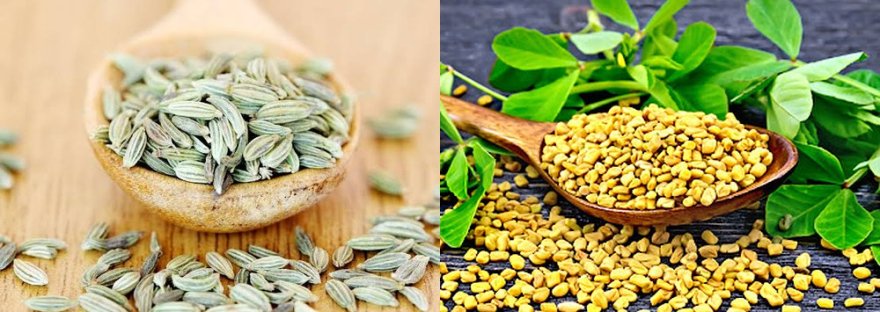
  • Fennel Seed, 2 parts. A sweet, aromatic seed long used to settle the stomach and ease digestion, with an old reputation for taking the edge off appetite between meals.
  • Gentian Root, 2 parts. One of the classic bitter roots. It stirs up the digestive juices and has long been used to curb the desire to eat between meals.
  • Fenugreek Seed, 2 parts. A mucilaginous seed that swells into a gentle gel in the stomach and supports a natural feeling of fullness. It is also used to support steady blood sugar, which plays a part in appetite.
  • Skullcap, 2 parts. A calming nervine that supports emotional steadiness, so the body isn’t fighting a wound-up nervous system while it adjusts.
  • Ginger Root, 1 part. The warming mover, supporting circulation and helping the body make good use of the other herbs.

“Parts” can be any measure you like, as long as you use the same one for every herb. By weight, that’s 2 ounces each of the first four and 1 of Ginger. For a one-gallon batch, that works out to about 5.7 ounces each of the first four and 2.85 ounces of Ginger.

Putting It Together

Put the dry herbs in a glass jar and pour in 80-proof vodka. Once the herbs have settled, you want about 60% herb sediment on the bottom and 40% liquid on top. Shake the jar every day. The traditional timing follows the moon, from the new moon to the full moon, about two weeks. I prefer to let my extracts sit a full three months, which makes them good and strong. Then strain and bottle the liquid.

Crack the Fenugreek seed rather than powdering it, so its mucilage doesn’t cloud the extract.

How Much and How Often

About 20 to 30 drops (roughly 1 mL), taken 15 to 20 minutes before a meal, up to three times a day as needed.

For the bigger picture, see my weight-loss series, starting with The Weight Behind the Weight and The Brain Comes First.

This is shared for educational purposes, from my own study and experience. It is not medical advice.
Digestion & Gut, Herbal Healing

Fast Relief for an Upset Stomach

This is one of the simplest formulas I use, just four ingredients, and one of the ones I reach for most. Between my own family and the members who have come through my office, I’ve watched it handle acid reflux, bloating, nausea and motion sickness often enough that I trust it the way you trust something you’ve used a hundred times.

Used alone, it’s a gentle, effective aid. Paired with the liver and gallbladder formula, it becomes a quick, complete answer to nearly any upset in the upper digestion. I’d rather hand you four ingredients that work than a long list that only sounds impressive.

What a Good Digestive Tonic Contains

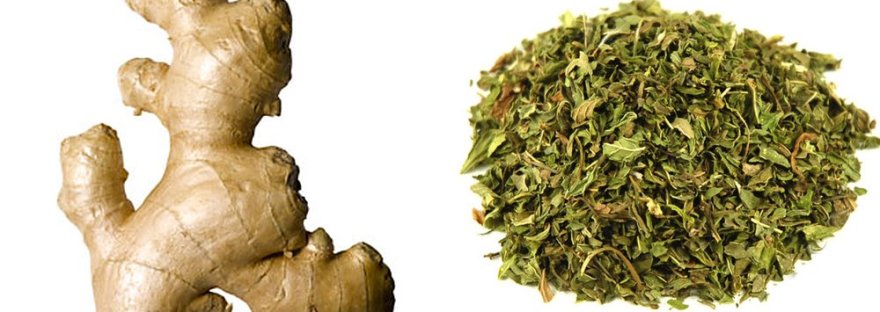
  • Ginger Root, 4 parts. Warming and stimulating to the digestion.
  • Fennel Seed, 4 parts. A soothing, mildly sweet seed long used to ease digestion.
  • Peppermint Leaf, 2 parts. A classic stomach-soother with a bright, cooling taste.
  • Peppermint Essential Oil. Added after straining, for a concentrated, cooling finish.

“Parts” can be any measure you like, as long as you use the same one for every herb. By weight, that’s 4 ounces each of Ginger and Fennel and 2 of Peppermint Leaf.

Putting It Together

Put the dry herbs in a glass jar and pour in 80-proof vodka. Once the herbs have settled, you want about 60% herb sediment on the bottom and 40% liquid on top. Shake the jar every day. The traditional timing follows the moon, from the new moon to the full moon, about two weeks. I prefer to let my extracts sit a full three months, which makes them good and strong. Then strain and bottle the liquid.

Stir in the peppermint oil only after the herbs have been strained: about 2 ounces of peppermint oil per gallon of finished extract, or 1 teaspoon for every 12 ounces.

Situation by Situation

  • Acid reflux: for mild reflux, 1 teaspoon in a glass of water usually brings fast relief. For worse reflux, take 2 teaspoons each of this tonic and the liver formula in a few ounces of water, then chase it with a full glass of water or juice. It brings fast, steady relief and protects the esophagus from irritation.
  • Bloating and gas: 2 teaspoons each of the tonic and the liver formula, then lie on your right side, liver side down, for a few minutes. Relief often comes within 5 minutes as the pressure moves and the gas begins to release.
  • Upset stomach and nausea: 2 teaspoons each of the tonic and the liver formula can settle a stomach within minutes, even when you feel you’re about to be sick. The tonic alone also works well after a meal that isn’t sitting right.
  • Motion sickness: it tastes good enough to sip freely. Stir 1 teaspoon into a 32-ounce water bottle, start the trip with a full glass, and keep sipping through the ride.

A Couple of Related Helps

  • Pain that flares with eating, even with a bite of banana, often points to too little stomach acid rather than too much. A tablespoon of apple cider vinegar in a few ounces of water can bring relief within minutes.
  • Hiccups: Lobelia is the more direct help, since it releases the spasm of the diaphragm itself. The tonic helps when the hiccups come from an irritated or acid stomach.

For more, see Heartburn or Acid Reflux.

This is shared for educational purposes, from my own study and experience. It is not medical advice.
Digestion & Gut, Herbal Healing, Herbs & How to Use Them

A Fiber Blend That Heals While It Works

Most fiber supplements do one job: add bulk and keep things moving. A good fiber blend does that too, but it can do much more for a digestive tract that has been worn down or damaged. Built with soothing, slippery herbs alongside the fiber, it coats and calms the tissue as it moves through, healing the stomach and the intestines together.

This past year, this blend was one of the aids that helped restore my digestive tract while I was dealing with Bladder Pain Syndrome, with aloe vera juice as a good companion. There is so much healing in it, not just bulk. I wrote about that experience in Bladder Pain Syndrome (BPS).

What a Good Fiber Blend Contains

A good healing fiber blend might contain these five powders:

  • Psyllium Husk Powder, 6 parts, and Psyllium Seed Powder, 4 parts. The foundation. Both swell and gel in water, adding soft bulk and holding moisture as they move through, with no harsh stimulation.
  • Slippery Elm Powder, 3 parts. A rich, slippery bark that coats and calms irritated tissue all along the digestive tract and eases the passage of the fiber.
  • Marshmallow Root Powder, 1 part. Another deeply soothing herb, close to Slippery Elm in action, that calms and heals inflamed tissue.
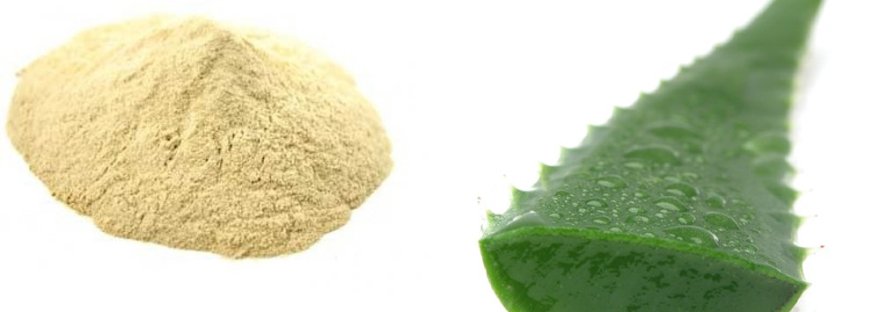
  • Aloe Vera Powder, 1 part. A healing plant with a long history of digestive support.

“Parts” can be any measure you like, as long as you use the same one for every herb. By weight, that’s 6 ounces of Psyllium Husk, 4 of Psyllium Seed, 3 of Slippery Elm and 1 each of Marshmallow and Aloe.

Putting It Together

Simply mix the powders together well and keep them in a tightly closed jar.

How Much and How Often

1 rounded teaspoon, stirred into juice or water, once or more a day depending on your need. Drink it right away, before it thickens.

This is shared for educational purposes, from my own study and experience. It is not medical advice.
Digestion & Gut, Herbal Healing, Herbs & How to Use Them

Bringing Candida Back Into Balance

If you’ve ever dealt with the fatigue, gas, bloating and brain fog that come with an overgrowth of Candida albicans, you know how miserable and confusing it can be. Candida is meant to be part of a normal, healthy balance in the gut, a small and quiet resident. The trouble starts when it’s allowed to multiply unchecked, and the byproducts of that overgrowth show up as symptoms that don’t seem to add up to any one clear cause.

This is one of the few formulas that didn’t come out of my own kitchen alone. A group of my Natural Healing “daughters,” herbalists I’ve trained and mentored over the years, got on a conference call with me and we hammered this combination out together. I was the guiding force, but it reflects everyone’s input, and it has stuck around because my girls like it and keep asking for it.

What a Good Candida Formula Contains

A good formula for a yeast overgrowth might contain these six herbs, all powdered:

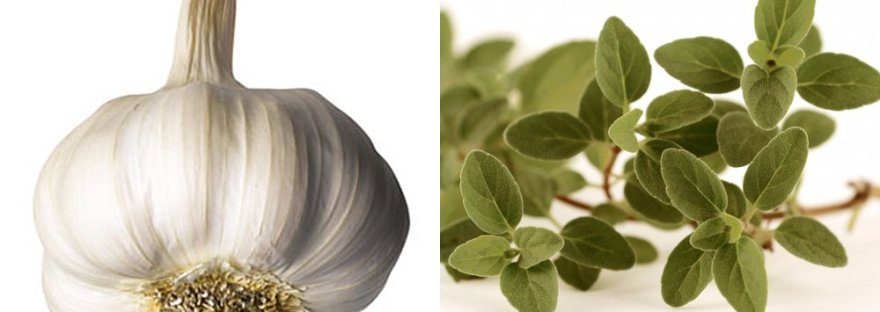
  • Garlic, 4 parts. The lead herb. A powerful antifungal against Candida that leaves the good bacteria you want to keep. It also gives the liver and colon a cleansing boost.
  • Oregano, 2 parts. One of the strongest natural antifungals there is. What I like most is that Candida doesn’t seem to build resistance to it the way it can to some other antifungals.
  • Pau D’Arco, 2 parts. Does two jobs at once. It gently loosens the bowels, not to the point of diarrhea, just enough to wash out the old waste the yeast hides in, and it is a strong antifungal in its own right.
  • Cat’s Claw, 1 part. Strengthens the white blood cells so they can go after Candida and other invaders, and calms inflammation in the gut.
  • Olive Leaf, 1 part. Stirs up the immune response and helps keep blood sugar steady, which matters more than people realize, since extra sugar is exactly what feeds a yeast overgrowth.
  • Ginger Root, 1 part. Ties it all together, easing digestion, supporting circulation and soothing the inflamed gut.

“Parts” can be any measure you like, as long as you use the same one for every herb. By weight, that’s 4 ounces of Garlic, 2 each of Oregano and Pau D’Arco, and 1 each of Cat’s Claw, Olive Leaf and Ginger.

Putting It Together

This one is different from most of my formulas. Instead of an extract, the powdered herbs are mixed well and put into capsules.

How Much and How Often

  • 2 capsules three times a day.
  • With each dose, 15 drops of Black Walnut extract. Black Walnut is one of the strongest natural antifungals around, and it gives the whole approach more backup.

Clearing a Candida overgrowth is rarely a one-ingredient job. Changing what you eat and adding a good probiotic will do as much for your long-term balance as any antifungal. The antifungal herbs are what get you through the overgrowth; you won’t need them forever, just until things settle down. Track how you feel. As the yeast clears, the symptoms go with it.

My Own Approach

As much as I stand behind this formula, my own go-to for a stubborn yeast overgrowth is a strong standalone Olive Leaf extract. It is powerful, so build up to the full amount slowly over a few weeks rather than starting at full strength. That is how I cleared my own yeast issues, which I had in spades after nearly 15 years of living on antibiotics for kidney and bladder infections. If you’ve been on antibiotics for any length of time, you may be in the same boat I was, and there is a way back.

This is shared for educational purposes, from my own study and experience. It is not medical advice.
Digestion & Gut, Herbal Healing

Herbal Support for Hemorrhoid’s

A good Definition of a Hemorrhoid: Veins or blood vessels in and around the anus and lower rectum become swollen and irritated. This happens when there is extra pressure on these veins. Hemorrhoids can be either inside your anus (internal) or under the skin around your anus (external).

Both Varicose veins and Hemorrhoids are evidence of a nutritional poor food program. Stopping the intake of junk foods, that leach calcium from the body, will begin to clear the underlying cause allowing these conditions to thrive in the body.

Sugar in the form of candy, beverages (pop, coffee, etc), pastries and bread are the basic cause of this condition. These leach out the calcium from the body. Other culprits are white flour, tobacco, and liquor. One of the first places the leaching starts is in the veinous structure of the body, drawing off the supporting calcium. This is turn weakens the veins, causing varicose veins, which will, if allowed to continue, become phlebitis.

Here is a pdf providing several herbal suggestions to aid in reducing the inflammation and stopping the discomfort which often accompanies hemorrhoid’s.

Member Testimony

A member recently shared a hemorrhoid herbal remedy that worked beautifully for her.

She had developed a rather large prolapse hemorrhoid. After looking through suggestions for knocking down the inflammation and discomfort she decided to use her Rosemary Essential oil and castor oil over the prolapse area. She combined two teaspoons of castor oil with 5 drops of Rosemary EO, mixed well and applied over the area.

The results were that by bedtime the inflammation was reduced by 50% and the discomfort stopped when the mix was applied. Sounds like a winning herbal suggestion worth trying.

For the full healing salve, with the herbs and essential oils and how it’s made, see A Healing Salve to Keep on Hand.

Digestion & Gut, Herbal Healing

Heartburn or Acid Reflux

My Acid Reflux Testimony

In the spring of 1996 we were between homes in route from Southern California, to Mountaindale, New York, when I first experienced Serious Acid Reflux.   That fateful night we had pulled our moving van into a hotel in Dixon Tennessee and sent out for pizza, our typical hotel dinner.  Shortly after dinner the acid I began burping up left me gasping for air.   As the night wore on I sipped on ice water trying to cool the burning that seemed to extend from my stomach to my throat.   Around midnight the pressure building in my chest was making it hard to breath.  I was setting in the bathroom when I told my husband that we needed to call an ambulance.  I was sure I was having a heart attack.  The band of pressure that encircled my chest had become painfully tight. 

At the hospital the doctor ordered the necessary test to rule out a heart attack.  As soon as the results were in the doctor proscribed an Acid Reflux Medication which completely cleared my symptoms.  I was then informed that Acid Reflux could mimic the symptoms a heart attack.  Over the next few years I used prescription drugs which while keeping the symptoms of my acid reflux under control contributed to a wide range of side effects.

As I continued to look for better ways to heal my body I discovered the power of herbs and herbal therapies.   Shortly after discovering Dr. Christopher and his vast menu of herbal combinations I came across a digestive aid we call “Digestive Tonic.”  This wonderful formula consistently stopped my acid reflux symptoms in seconds.  In 1999 I did my first liver flush which greatly reduced my symptoms of acid reflux.    The more I cleansed my body the fewer episodes I experienced.  This has caused me to believe there is a very direct connection between symptoms of “heartburn” or “acid reflux” and a backed up Gallbladder. 

It’s not hard to know when I need to do a liver flush.  I may go six months or a year without experiencing heartburn but let my liver be in need of a little flushing and I will begin to experience that burning feeling climbing from my stomach to my throat.  (Not nearly as bad, just enough to let me know it’s time to clean house again.) One teaspoon each of Digestive Tonic & LP Formula, in six ounces of water will stop the symptoms in seconds.  Over the years as I’ve shared my testimony with members there has been a small number who did not find relief using the Digestive Tonic.& LP Formula  For this small group Apple Cider Vinegar was the answer they needed.   A person can experience heartburn when the stomach fails to produce enough digestive juices.  When this is the cause then Apple Cider Vinegar will provide the additional digestive support needed to clear the issue.   I’ve found that one of these two Herbal Supports will effectively clear the symptoms of “Acid Reflux” or “Heartburn”

Stopping Acid Reflux Quickly

Over the years I have discovered a quick way to stop the acid reflux symptoms quickly. Add 1 or 2 tsp each of Digestive Tonic and LP Formula to a few swallows of water. Drink quickly. this will usually stop the episode within a couple of minutes.

Clearing the Underlining Cause for the Acid Reflux

It is time to do an ELF. (Emergency Liver Flush) Repeat the LP & Digestive at 1 tsp. each as needed to keep the acid away until you are able to do your ELF.

Digestion & Gut, Herbal Healing

Naturally Improve your Gut Bacteria

The Book, How Not To Diet, by Michael Greger was suggested during our Zoom Class on Gut Health, as one of the best sources for understanding how to feed the body and build gut health. The Chapter on Fiber is worth the price of the book when it comes to gut health.

The pdf of , The Amazing Liver Flush by Andrea Moritz was also suggested as an excellent resource for those wanting the understand how the liver affects the health of the Gut. A link to download the pdf file is at the end of this blog.

Our class discussion included many ailments associated with the gut along with suggestion on how to rebuild the health of the gut. Any member wishing to join our discussion group should look for the invite email sent out the day of the class to our membership.

Here are some suggestions to improve your Gut Bacteria

Eat A Diverse Range of Foods

There are hundreds of species of bacteria in your intestines, each of which plays a specific role in health and requires different nutrients for growth. A diet consisting of different food types can lead to a more diverse microbiome. Generally speaking, a diverse microbiome is considered a healthy one. This is because the more species of bacteria you have, the more health benefits they may be able to contribute to. To Summarize: Eating a diverse diet rich in whole foods can lead to a diverse microbiome, which is beneficial for your health.

Eat lots of Vegetables, legumes, beans, and fruit

These foods are high in fiber which will help feed the bacteria in your gut. Fruits and vegetables that are high in fiber aid in promoting the growth of beneficial gut bacteria, including specific types such as Bifidobacteria.

Eat Fermented Foods

Fermented Foods have undergone fermentation, a process in which the sugars they contain are broken down by yeast or bacteria. Here is a list of some common fermented foods:

  • yogurt
  • kimchi
  • sauerkraut
  • kefir
  • kombucha
  • tempeh

Many of these foods are rich in lactobacilli, a type of bacteria that can benefit your health. Research shows that people who eat a lot of yogurt appear to have more lactobacilli in their intestines. These people also have less Enterobacteriaceae, which is a type of bacteria associated with inflammation and a number of chronic conditions. Fermented foods like plain yogurt can benefit the microbiome by enhancing its function and reducing the abundance of disease-causing bacteria in the intestines.

Eat Prebiotic Foods

They are mainly fiber or complex carbs that human cells cannot digest. Instead, certain species of bacteria in the gut break them down and use them for fuel. Many fruits, vegetables, and whole grains contain prebiotics, but they can also be found on their own.

Resistant starch can also be a prebiotic. This type of starch is not absorbed in the small intestine and passes into the large intestine, where the microbiota break it down. Prebiotics promote the growth of several types of beneficial bacteria, including Bifidobacteria. Some studies suggest that prebiotics could also reduce risk factors for certain health conditions by decreasing levels of insulin, triglycerides, and cholesterol.

A Plant Based Diet is best for Gut Health

A number of studies have shown that vegetarian diets may benefit the gut microbiome, which is due at least in part to their high fiber content.

Foods Rich in polyphenols have many health benefits including reduction in blood pressure, inflammation, cholesterol levels and oxidative stress. Some foods rich in polyphenols are:

  • cocoa and dark chocolate
  • red wine
  • grape skins
  • green tea
  • almonds
  • onions
  • blueberries
  • broccoli

Polyphenols can’t be digested efficiently by human cells, but they are efficiently broken down by the gut microbiota. They may improve several health outcomes related to heart disease and inflammation.

Find a good Probiotic

Probiotics are live microorganisms, usually bacteria, that provide a specific health benefit when consumed. Probiotics do not significantly change the composition of the microbiome in healthy people. However, they may improve microbiome function and help restore the microbiome to good health in those with certain health conditions.

The bottom line is your gut bacteria are extremely important for many aspects of your health. The best way to maintain a healthy microbiome is to eat a range of fresh, whole foods, mainly from plant sources like fruits, veggies, legumes, beans, and whole grains.

Something to think about and try. Fermented foods are highly nutritious and can be a great way to add diversity to your diet while enhancing gut health. Try trading milk for kefir in smoothies, using miso as a base for soups and sauces, or adding tempeh to your favorite stir-fry recipes!