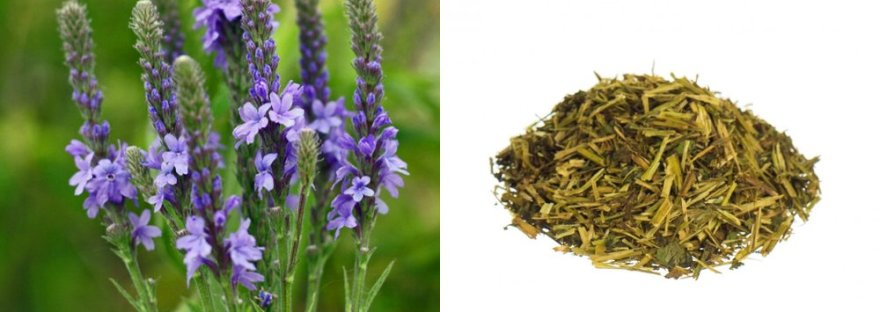
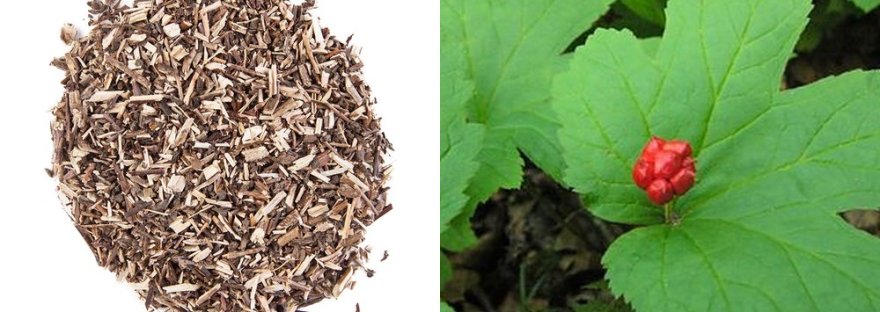
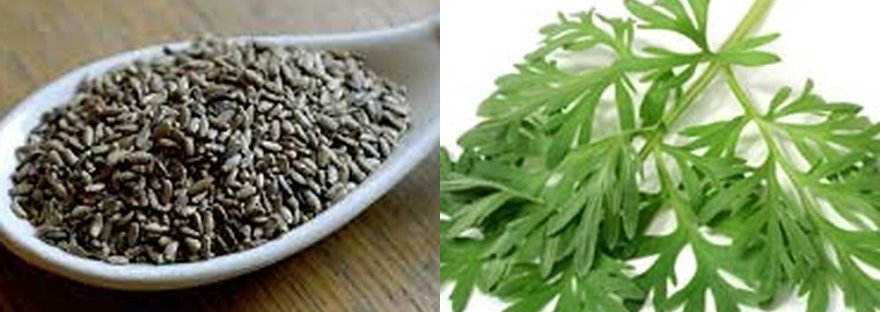
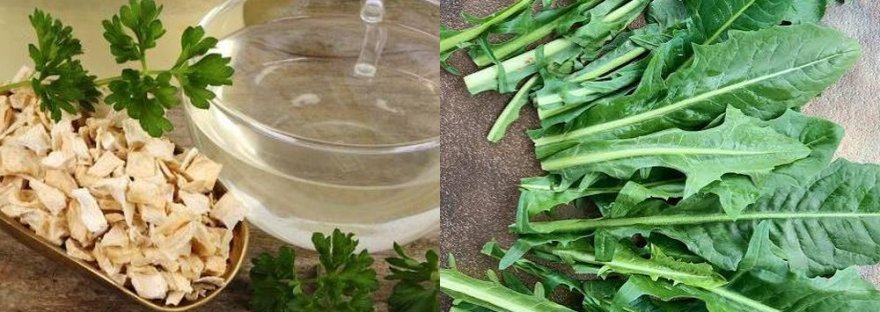
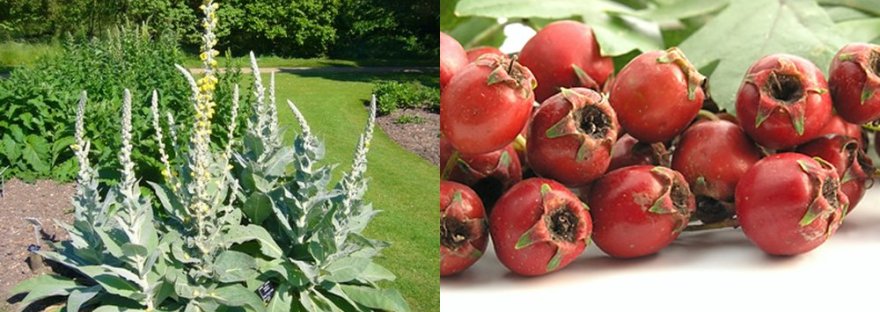
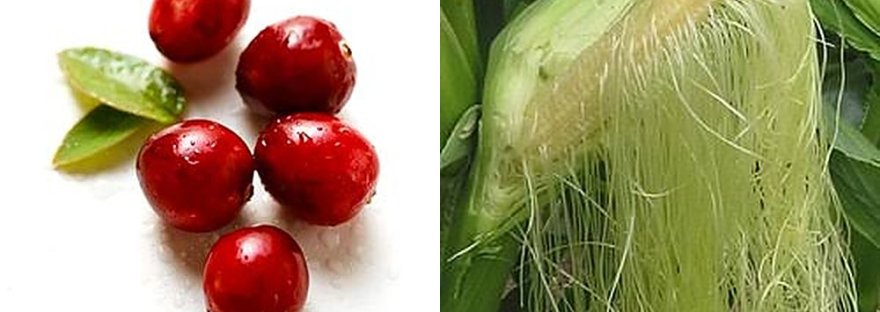
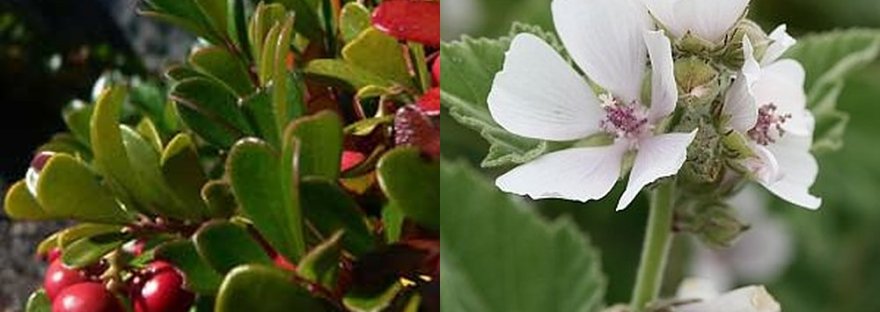
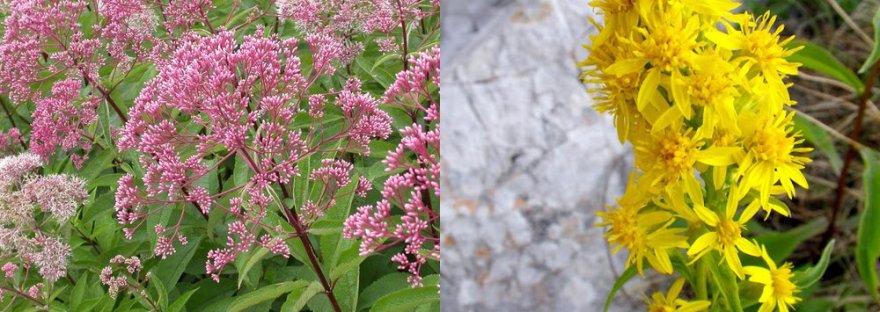
This is Dr. Christopher’s hearing formula, a five-herb combination used for poor balance, hardness of hearing and earache. He taught that much hearing and balance trouble comes from a congested motor nerve, the nerve that runs from the base of the skull, and these herbs are chosen to feed that nerve and clear the congestion. Dr. Christopher and his patients used the drops for hearing loss and balance trouble with good success, as long as the eardrum was intact. They also bring quick relief to an earache.
What a Good Hearing Formula Contains
A good hearing formula might contain these five herbs, in equal parts:
Blue Cohosh, 1 part. A nervine Dr. Christopher used for the motor nerve, including for earache and hardness of hearing.
Black Cohosh, 1 part. Supports the motor nerve and eases tension.
Blue Vervain, 1 part. Supports circulation, eases anything spasmodic, and helps with nervousness, sleeplessness and nervous headache.
Skullcap, 1 part. Valued for the spinal cord and the motor nerve, where it rises at the base of the skull. When that nerve is congested, messages have trouble getting through, and Skullcap helps clear it.
Lobelia, 1 part. Its great strength is removing obstruction and congestion in the body.
“Parts” can be any measure you like, as long as you use the same one for every herb. By weight, that’s simply equal ounces of all five.
Putting It Together
Put the dry herbs in a glass jar and pour in 80-proof vodka. Once the herbs have settled, you want about 60% herb sediment on the bottom and 40% liquid on top. Shake the jar every day. The traditional timing follows the moon, from the new moon to the full moon, about two weeks. I prefer to let my extracts sit a full three months, which makes them good and strong. Then strain and bottle the liquid.
How to Use It
At bedtime, put 4 to 6 drops of garlic and mullein oil in each ear with an eyedropper, then 4 to 6 drops of the hearing formula.
Plug the ears with cotton overnight.
Repeat nightly, six nights a week, for 4 to 6 months or as needed.
On the seventh day, gently flush the ears with a small ear syringe, using warm apple cider vinegar and distilled water, half and half. The ear is very delicate; never use force.
Also take 6 to 10 drops of the formula in a cup of juice or distilled water, up to three times a day.
A friend once dropped by on an afternoon when I was deep in edits for my autobiography, nursing a burning case of pink eye she had caught from her daughter, who had just started school. We went up to my room, where I keep my own bottle of this eyewash, and flushed her eye right there. The discomfort was gone almost immediately, and we spent the next hour working through my manuscript together. She never once put that bottle down. When I offered to send her home with a fresh one, she wouldn’t hear of it; she took the very bottle she’d been holding. I still laugh about it. You could see how much relief she felt just in how tightly she held on.
This seven-herb blend is built around eyebright, the herb it’s named for. It’s a gentle eyewash for everyday eye trouble: pink eye, styes, and the tired, watering, irritated eyes that come from allergies, screen time or a long day.
What a Good Eyewash Formula Contains
A good eyewash formula might contain these seven herbs:
Eyebright, 4 parts. The namesake and the most direct eye herb, with a long history in eyewashes. It is astringent, calms inflammation, and is rich in vitamin A, the “eye vitamin.”
Goldenseal Root, 4 parts. A cleansing tonic for the mucous membranes, long used to wash the eyes.
Rue Flower, 4 parts. An old-world herb with a centuries-old reputation for supporting eyesight and easing eye strain.
Mullein Flower, 4 parts. Soft and soothing, calming irritated tissue.
Red Raspberry Leaf, 4 parts. A gentle astringent that tones and tightens irritated tissue. It was part of the original eyebright eyewashes generations ago.
Fennel Seed, 4 parts. Fennel tea has its own long history as a wash for inflamed eyes.
African Bird Pepper, 1 part. A small amount for circulation. It gets the eye’s own tiny blood vessels flushing, and that matters more than its size suggests.
“Parts” can be any measure you like, as long as you use the same one for every herb. By weight, that’s 4 ounces each of the first six herbs and 1 ounce of the pepper.
Putting It Together
Put the dry herbs in a glass jar and pour in 80-proof vodka. Once the herbs have settled, you want about 60% herb sediment on the bottom and 40% liquid on top. Shake the jar every day. The traditional timing follows the moon, from the new moon to the full moon, about two weeks. I prefer to let my extracts sit a full three months, which makes them good and strong. Then strain and bottle the liquid.
How to Flush the Eyes
Set up both eyecups at once, and have a cold, wet washcloth ready, wrung out from a bowl of ice water.
Put 1 to 3 drops of the extract in each eyecup first, then pour in room-temperature distilled water. Pouring the water on top mixes the drops in.
Always flush both eyes, even if only one is bothering you. Fit the cup over the eye, tip your head back and open the eye into the wash. If it wants to shut right away the first time, that’s normal; rest a moment, use the cold cloth if it helps, and try again. Then do the other eye.
Expect a minute or two of real sensation, more if the eye is very irritated. That is the circulation flooding into the eye and then receding, carrying waste out with it, which is exactly what you want. When it settles, the eye feels much better, with no more grittiness or soreness.
Alternate which eye you start with each time. The second eye tends to resist opening a little, simply because it noticed what happened to the first.
This is shared for educational purposes, from my own study and experience. It is not medical advice.
This formula has two jobs. Its bitter herbs stimulate, cleanse and protect the liver and gallbladder, and its strong herbs rid the body of parasites. It is a core part of my liver flushing program, and it rarely works alone; most of the stories I hear back are of it working alongside the digestive tonic for fast relief of an upset upper digestion.
Bitter herbs get the digestion going and encourage the liver to release more bile, and that flow of bile is what cleans both the liver and the gallbladder.
What a Good Liver and Parasite Formula Contains
A good formula for the liver, gallbladder and parasites might contain these ten herbs:
Milk Thistle Seed, 8 parts. The main ingredient by far. It coats and protects the liver while supporting its own healing.
Oregon Grape Root, 3 parts. A bitter root that supports the liver’s cleansing work.
Gentian Root, 2 parts. One of the classic bitter roots, stirring up digestion and the flow of bile.
Wormwood, 2 parts. A bitter herb long used for its strong action against parasites.
Chaparral, 2 parts. A desert shrub long used as a strong internal cleanser.
Black Walnut Hulls, 1 part. A classic parasite herb, alongside Wormwood.
Dandelion Root and Leaf, 1 part. A classic bitter liver tonic.
Garlic, 1 part. For its own action against parasites and its cleansing.
Ginger Root, 1 part, and Fennel Seed, 1 part. Warming, soothing support for the digestion.
“Parts” can be any measure you like, as long as you use the same one for every herb. By weight, that’s 8 ounces of Milk Thistle, 3 of Oregon Grape, 2 each of Gentian, Wormwood and Chaparral, and 1 each of the rest.
Putting It Together
Put the dry herbs in a glass jar and pour in 80-proof vodka. Once the herbs have settled, you want about 60% herb sediment on the bottom and 40% liquid on top. Shake the jar every day. The traditional timing follows the moon, from the new moon to the full moon, about two weeks. I prefer to let my extracts sit a full three months, which makes them good and strong. Then strain and bottle the liquid.
How Much and How Often
With a liver flush: ½ teaspoon every 3 hours.
For reflux, gas and bloating, or an upset stomach: 2 teaspoons together with 2 teaspoons of the digestive tonic. The digestive tonic post walks through each situation.
When the kidneys are low on vitality and can’t clear fluid on their own, the body finds another way. In herbal tradition the skin is sometimes called “the third kidney,” because sweat can carry off the water and waste the kidneys would normally handle.
I learned this from my own body. When my kidneys were struggling, I’d break into a sudden, heavy sweat while sitting still, until my hair and clothes were soaked through. It sounds alarming, but it was a good sign: the body finding a second way out for fluid it needed to release. Afterward the swelling in my feet and body would go down and I’d feel much better.
A good fluid formula supports the main route, the kidneys, so the body isn’t left leaning so hard on the backup.
What a Good Fluid Formula Contains
A good formula for clearing excess fluid might contain these five herbs:
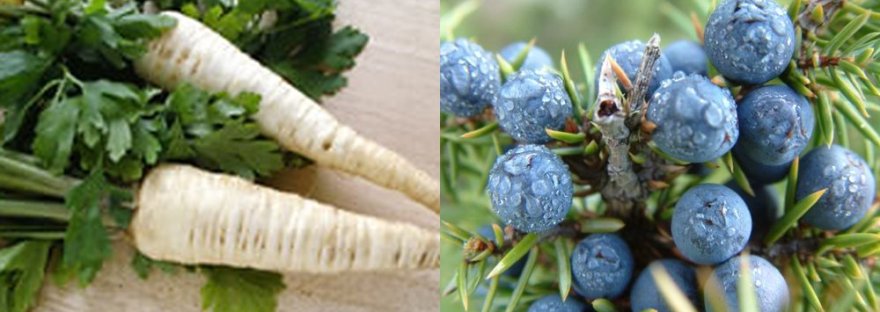
Parsley Root, 8 parts. The master diuretic herb, supporting the kidneys in clearing excess fluid.
Juniper Berries, 4 parts. Gives the kidneys a boost in their work.
Dandelion Leaf, 4 parts. Rich in potassium, added to replace the potassium the body loses along with the fluid.
Corn Silk, 2 parts. Soothing to the urinary tract.
Uva Ursi, 1 part. Supports a healthy urinary tract.
“Parts” can be any measure you like, as long as you use the same one for every herb. By weight, that’s 8 ounces of Parsley Root, 4 each of Juniper and Dandelion Leaf, 2 of Corn Silk and 1 of Uva Ursi.
Putting It Together
Put the dry herbs in a glass jar and pour in 80-proof vodka. Once the herbs have settled, you want about 60% herb sediment on the bottom and 40% liquid on top. Shake the jar every day. The traditional timing follows the moon, from the new moon to the full moon, about two weeks. I prefer to let my extracts sit a full three months, which makes them good and strong. Then strain and bottle the liquid.
How Much and How Often
2 to 4 droppersful (½ to 1 teaspoon) three times a day.
For a more serious case, lay hot fomentations of Parsley Root tea directly over the swollen area as well.
The urinary tract can use the extra care. Tea, coffee, soft drinks, hard water and alcohol all irritate it, so go easy on them while you’re working on fluid balance. For more, see Edema aka Dropsy and, for lymph swelling, Understanding Lymphedema.
This is shared for educational purposes, from my own study and experience. It is not medical advice.
Your adrenal glands are two small glands that sit right on top of each kidney, and the job they do is far bigger than their size. They make the hormones the body relies on to handle stress: adrenaline for fight or flight, cortisol to regulate blood sugar and inflammation, and aldosterone to balance sodium, fluids and blood pressure.
When stress is constant instead of occasional, from illness, overwork, poor sleep or emotional strain, the adrenals wear down trying to keep up. That’s when people notice a tiredness that doesn’t lift with rest, a harder time handling stress that used to be manageable, and a heart that feels like it’s working overtime.
Feeding these glands, rather than pushing them harder, is what gives them the chance to rebuild. And because the adrenals and the heart carry the load of stress together, a good adrenal formula supports the heart as well.
What a Good Adrenal Formula Contains
A good formula for tired adrenals might contain these seven herbs:
Mullein, 4 parts, and Lobelia, 4 parts. Together they are considered the perfect food for the glands, long paired to nourish and rebuild an overworked, run-down gland.
Ginseng, 4 parts. A mix of American and Siberian. American Ginseng is the gentler of the two, well tolerated over time; Siberian Ginseng is the classic herb for stress and endurance.
Gotu Kola, 4 parts. In small amounts it relieves fatigue and wakes up the brain, and it supports the pituitary, which directs the adrenals.
Hawthorn Berries, 4 parts. A heart tonic for centuries. Under stress the heart often works overtime, and Hawthorn steadies it, soothes the nerves and helps with nervous sleeplessness.
Ginger Root, 4 parts. Carries the formula into the abdomen, where the adrenals sit, and clears congested capillaries.
Cayenne, 1 part. Nature’s finest stimulant for the circulation, bringing oxygen and nourishment to the cells that need repair.
“Parts” can be any measure you like, as long as you use the same one for every herb. By weight, that’s 4 ounces each of the first six herbs and 1 ounce of Cayenne.
Putting It Together
Put the dry herbs in a glass jar and pour in 80-proof vodka. Once the herbs have settled, you want about 60% herb sediment on the bottom and 40% liquid on top. Shake the jar every day. The traditional timing follows the moon, from the new moon to the full moon, about two weeks. I prefer to let my extracts sit a full three months, which makes them good and strong. Then strain and bottle the liquid.
How Much and How Often
2 to 4 droppersful (½ to 1 teaspoon) three times a day, six days a week.
It took years for the body to get into this condition, and it takes steady nourishment to rebuild. While it does, avoid the foods and activities that add stress to a tired gland. And remember, a merry heart does good like a medicine.
This is shared for educational purposes, from my own study and experience. It is not medical advice.
There’s a moment at the very start of a bladder infection, a telltale twinge, burning or urgency, when acting quickly can still stop it in its tracks. That moment, not hours or days later, is when to reach for this drink.
When bacteria gain a foothold in the urinary tract, the bladder lining becomes irritated and inflamed, and that brings the burning and urgency. Acidic urine makes the burning worse. Herbs that neutralize the acid and calm the inflammation, used right away, can ease the pain quickly.
This is a comfort formula. It eases the burning and pain of voiding; it is not what clears the infection itself. For that, use it alongside the infection support in Our Two Infection Fighters and Echinacea.
What a Good Bladder Comfort Formula Contains
A good formula for the burn of a bladder infection might contain these five herbs:
Juniper Berries, 4 parts. The lead herb. Its oils pass out through the kidneys and act directly on the urinary tract, which is why it’s the herb to reach for at the first sign of trouble.
Corn Silk, 2 parts. The comfort herb. It coats and calms the irritated bladder lining directly, easing the burning and urgency themselves.
Cranberry, 2 parts. Helps keep bacteria from sticking to the bladder wall, and together with Juniper helps neutralize the burning.
Parsley Root, 2 parts. Keeps fluid moving through the urinary tract, flushing out what’s irritating it.
Uva Ursi, 1 part. Adds its own cleansing support in a smaller amount.
“Parts” can be any measure you like, as long as you use the same one for every herb. By weight, that’s 4 ounces of Juniper, 2 each of Corn Silk, Cranberry and Parsley Root, and 1 of Uva Ursi.
Putting It Together
Put the dry herbs in a glass jar and pour in 80-proof vodka. Once the herbs have settled, you want about 60% herb sediment on the bottom and 40% liquid on top. Shake the jar every day. The traditional timing follows the moon, from the new moon to the full moon, about two weeks. I prefer to let my extracts sit a full three months, which makes them good and strong. Then strain and bottle the liquid.
How to Take It
Put an ounce of the formula in a large mug.
Pour 6 to 8 ounces of boiling water over it. This shocks off the alcohol, so there’s no need to boil the formula itself. Let it sit a minute or two.
Top it off with cold water so you can drink it quickly.
Drink the whole thing right away rather than sipping it.
Try to hold off urinating for about 45 minutes afterward, to give the herbs time to work.
A Smaller Preventive Use
I have some men in wheelchairs who don’t drain their bladders well, and they use this in small amounts as a preventive. Retained urine gives bacteria a place to grow, so a little of this formula on a regular basis helps keep that from turning into a full infection. The amount depends on how chronic the problem is.
Your urinary tract works around the clock: the kidneys filter waste from the blood, the bladder stores it, and a network of muscles and tissues manages when and how it’s released. When that system is weak or overworked, it can show up as a bladder that doesn’t hold urine reliably, urinary tissue that has lost its tone, or a tendency toward stones and mineral buildup.
These are usually gradual problems, and they respond to steady, daily support rather than one fast remedy. Urgency and leaking are often driven by a mild infection or bacteria in the bladder or urinary tract, and clearing that is part of getting control back.
Over the years this formula has given relief to people who had become afraid to go out in public because they couldn’t control their bladder. It has also helped women, and anyone laid up after an accident or surgery. Being laid up doesn’t just weaken the muscles you can see; it weakens the ones that manage the bladder too.
What a Good Bladder Formula Contains
A good bladder formula might contain these seven herbs, in equal parts:
Juniper Berries, 1 part. One of the two fast-acting diuretics here, long credited with correcting problems in voiding urine.
Parsley Root, 1 part. The other fast-acting diuretic, well known for rebuilding urinary tissue.
Uva Ursi Leaf, 1 part. A cleansing herb for the urinary tract, credited with helping dissolve stones and mineral buildup.
Marshmallow Root, 1 part. Soothing and healing, it eases the flow of urine through an irritated tract.
Lobelia, 1 part. Relieves spasm in the urinary tract.
Goldenseal Root, 1 part. Fights infection and heals tissue.
Ginger Root, 1 part. Helps the whole combination work together.
“Parts” can be any measure you like, as long as you use the same one for every herb. By weight, that’s simply equal ounces of all seven.
Putting It Together
Put the dry herbs in a glass jar and pour in 80-proof vodka. Once the herbs have settled, you want about 60% herb sediment on the bottom and 40% liquid on top. Shake the jar every day. The traditional timing follows the moon, from the new moon to the full moon, about two weeks. I prefer to let my extracts sit a full three months, which makes them good and strong. Then strain and bottle the liquid.
How Much and How Often
This is a healing food formula, so the amount is spread out through the day: ½ to 1 teaspoon, three to five times a day, depending on how much trouble there is with control or with bacteria. A cup of parsley tea alongside it, morning and evening, is a good old-fashioned helper.
Kidney infections were part of my life from childhood. By sixteen, an infection and high fevers put me in the emergency room in convulsions, and I lived on antibiotics for the next fifteen years. When I discovered herbs, I finally began to clear the infections from my renal system completely.
Ever since, my daily supports have been a kidney formula stirred into my kidney tea, along with my hot lemonade: cayenne, lemon juice, apple cider vinegar and a little maple syrup. I haven’t had a kidney attack or kidney pain in over 20 years. I know my kidneys are a weak spot, so I keep animal proteins very low, and I have no soda, sugary drinks or junk food. The body just doesn’t need that stuff.
I’ve been drinking this tea for over 30 years. I don’t drink a gallon every day, but I have at least a mug or two, and it’s still my tea of choice.
Food, Not a Flush
This is a basic nourishing formula for the whole renal system: food for the kidneys. It feeds and supports rather than pushing a strong detox, it tastes good, and it can be used for as long as you like. People hear “kidney tea” and assume it’s only for stones. It does help there, but most of our members keep a pitcher in the fridge to rebuild and maintain their kidney health day to day. Don’t wait for a kidney complaint to reach for it.
What a Good Kidney Formula Contains
A good kidney formula might contain these nine herbs:
Juniper Berries, 2 parts. The largest share, and a time-honored kidney herb. Juniper supports a healthy flow of urine and keeps the whole urinary tract clean.
Uva Ursi Leaf, 1 part. A classic herb for a clean, healthy bladder and urinary tract.
Parsley Root, 1 part. A gentle, nourishing root that supports the kidneys and helps flush the urinary tract.
Corn Silk, 1 part. Coats and calms the tissues of the urinary tract, keeping the formula gentle.
Goldenrod Flower Tops, 1 part. Long used to support the kidneys and help the body clear excess fluid.
Horsetail, 1 part. Rich in silica and minerals that tone and strengthen the tissues of the urinary tract.
Pipsissewa Leaf, 1 part. A North American urinary herb, a cousin of wintergreen, used for the bladder and kidneys.
Burdock Root, 1 part. A classic blood cleanser. Cleaner blood means less work for the kidneys as they filter it.
Burdock Seed, 1 part. Complements the root with its own gentle support for the flow of urine.
“Parts” can be any measure you like, as long as you use the same one for every herb.
Put the dry herbs in a glass jar and pour in 80-proof vodka. Once the herbs have settled, you want about 60% herb sediment on the bottom and 40% liquid on top. Shake the jar every day. The traditional timing follows the moon, from the new moon to the full moon, about two weeks. I prefer to let my extracts sit a full three months, which makes them good and strong. Then strain and bottle the liquid.
What a Good Kidney Tea Contains
The tea is the formula’s everyday partner. A good kidney tea might contain these twelve herbs:
Juniper Berries, 2 parts.
Corn Silk, Uva Ursi Leaf, Parsley Root, Dandelion Leaf, Horsetail and Goldenrod, 1 part each. The same gentle kidney and urinary support as the formula, with Dandelion adding its own help with the body’s fluid balance.
Hydrangea Root, 1 part. Long used to discourage stones. Dr. Shook considered it a true stone solvent: as a stone’s sharp points dissolve, he noted, the pain and inflammation they cause go with them.
Gravel Root, 1 part. True to its name, used to help the body pass and discourage gravel and stones.
Marshmallow, 1 part. Soothing to irritated urinary tissue.
Orange Peel and Peppermint, 1 part each. They make it a bright, pleasant tea you’ll actually want to drink.
Brewing the Tea
The overnight way: put 1¼ cups of the dry tea in a pot with a gallon of cold water and let it soak overnight. In the morning, heat it just to boiling, take it off the heat and let it steep at least 15 minutes. Strain, and pour over ice or drink it hot.
My coffee-maker shortcut: grind the dry herbs to a fine powder and keep the powder in the freezer. About 2 tablespoons brews a full pot in a drip coffee maker; use the strongest setting if yours has one. In a reusable single-serve pod, fill it only about half full, since the herbs swell. I run the same herbs through twice, and the two cups over ice make a 2-quart pitcher.
How Much and How Often
Add ½ teaspoon of the formula to each 8 ounces of hot or iced tea, so a 16-ounce mug gets 1 teaspoon.
For a gallon pitcher of iced tea, stir in a whole ounce of the formula and drink it through the day.
Drink freely. A common guideline is at least half your body weight in ounces of fluid each day, so a 150-pound person needs at least 75 ounces, and Dr. Christopher recommended even more. For someone 150 pounds or more, a gallon a day is fine. Let the tea carry most of it.
Kidney trouble has been part of my life since childhood, when an infection went untreated long enough to damage my whole renal system. Herbs changed that for me, and kidney cases have been a big part of my practice ever since.
One of the best ways to get healing herbs right into a struggling organ is a fomentation: hot towels soaked in a strong herbal tea, laid over the area and covered to hold in the heat, then changed as they cool. Fomentations work beautifully, but they are messy and time consuming, and few people will actually set them up and keep them going.
A salve pack does the same job without the fuss. The herbs are already in the salve; you spread it on flannel, lay it over the kidneys, cover it and add heat. This salve was developed for chronic or inflamed kidneys. Its herbs support urine production and the health of the kidney itself.
What a Good Kidney Salve Contains
A good salve for the kidneys might contain these five herbs:
Parsley Root, 2 parts. The lead herb. A remarkable aid for the whole urinary system, and Dr. Christopher paired it with Juniper to get the urine flowing.
Juniper Berries, 1 part. Clears passive congestion from the kidneys and removes waste through them, and it strengthens the kidneys, the bladder and the urinary passages.
Marshmallow Root, 1 part. Soothing to inflamed kidneys and bladder, it relaxes the urinary passages and eases pain, and it helps gravel pass smoothly.
Ginger Root, 1 part. Brings circulation to the area so the other herbs can do their work.
Burdock Root, 1 part. One of the best blood cleansers in nature. It increases the flow of urine and relieves congestion in the lymph.
“Parts” can be any measure you like, as long as you use the same one for every herb.
Putting It Together
Fully extract the herbs in extra virgin olive oil. Most of my salves go into a 150-degree oven for three hours; then I swap the spent herbs for fresh ones and do it again, three times through in all. Strain the oil and thicken it with beeswax.
How to Use It
Spread the salve on a piece of flannel folded in two layers.
Lay the flannel, salve side down, over the kidney area. Hold it in place with Press’n Seal wrap or any pack holder that works; castor oil pack holders work well over the kidneys.
Cover with a towel and a heating pad for 45 minutes to an hour before bed.
Leave the pack on all night, and repeat as needed.
Kelp brought my own thyroid back to normal at twenty-five, after years on a pill I was told I would need for life. The whole story is in My Thyroid Story. Here is why kelp works, how to use it, and why the iodine in kelp is so different from the iodine sold in a bottle.
Why Kelp Works
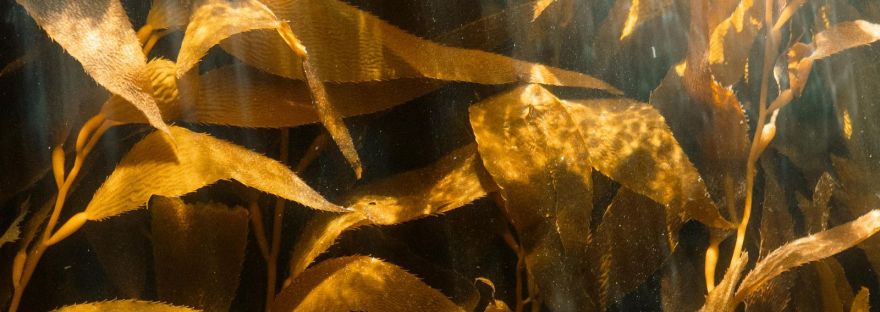
Our bodies need only the tiniest amounts of the trace minerals, such as iodine, copper, manganese, boron and zinc, yet without them we cannot live. Kelp is one of the richest sources of these, and above all of iodine.
The thyroid needs iodine to make its hormone. Without enough, it has to work overtime and can swell into a goiter. And the thyroid touches nearly everything: it regulates metabolism and body fat, steadies the heart, brightens the mind, keeps the bowels moving, and works with the pancreas, the adrenals, the ovaries and testes, and the pituitary. Kelp is a far better source of iodine than iodized salt, and used as a seasoning it easily supplies what the body needs.
More Than the Thyroid
Weight: Kelp has long been used as a slow, steady aid to weight loss. It acts more as a normalizer than a fat burner; thin people can put on weight while taking it.
The liver: Kelp has an affinity for the liver, supplying the salts it needs and helping clear congestion. A sluggish liver brings low moods, and a bright, vital person has an active liver.
Blood vessels: It tones the walls of the blood vessels and helps normalize both high and low blood pressure.
Minerals: It is one of the highest sources of potassium among foods and herbs, and a good source of vitamin B12 for those who eat no animal foods.
A Good Kelp Blend
Kelp works even better alongside its sea cousins. A good kelp blend might combine three sea plants, powdered and put into capsules:
Atlantic Kelp, 2 parts.
Irish Moss, 1 part.
Dulse, 1 part.
Each brings its own mix of ocean minerals, so together they cover more ground than kelp alone.
How Much and How Often
Dr. Christopher’s suggestion: 5 capsules of the kelp blend three times a day.
What I do: 10 capsules in the morning, and another 5 later in the day when I remember.
Kelp is a food, so it can also be used freely as a seasoning, sprinkled on your meals in place of salt.
Organic Iodine and Inorganic Iodine
Dr. Edward E. Shook, in his Advanced Treatise in Herbology, explains the difference between the iodine in sea plants and the iodine made in a factory.
Dr. Edward E. Shook
Positively hundreds of instances could be cited to prove the deleterious effects of the application of inorganic matter and the positive curative effects of the intelligent application of nature’s great store of organic remedies– Herbs– in the treatment of pathological conditions of the human organism. —Advanced Treatise in Herbology, by Dr. Edward E. Shook, pg. 16
Inorganic Iodine
We will take a cursory glance at one more important item of evidence showing the incalculable injury that can be done to the human organism by the administration of inorganic substances, more especially, those elements which have been artificially made or separated from organic matter by the action of violent acids, alkalies, or reduction to ashes by burning.
This universally-used and insidious poison is commonly called iodine. This element is found naturally combined with sodium, potassium, calcium, and manganese, in seawater, mineral springs, and marine plants and animals, but in exceedingly minute quantities. There are only 37 parts of iodine in 100,000 parts of cod liver oil.
The commonly used iodine is obtained from the ashes of burnt kelp, dissolved in water; the solution is then evaporated. The iodine is liberated by the action of chlorine aided by heat, and then condensed.
Taken internally, this form of iodine acts both as a local irritant and as a true poison. It slowly decomposes water, stealing hydrogen to form hydrogen iodide. This in turn gives off white fumes on contact with air and has a powerful acid reaction. Mixed with oxygen, it decomposes in the dark forming water, and liberating iodine, which again carries on its devastating effects upon the gastric organs and fluids producing a long chain of disasters.
The gas previously mentioned under sulfur; namely, sulfur anhydride, is decomposed by iodine, once more forming hydrogen iodide, and freeing sulfur; and we have seen what sulfur does.
This inorganic iodine is a most insidious and injurious substance that upsets and disorganizes all the digestive fluids producing various forms of dyspepsia, severe gastric pain, indigestion, foul gaseous eructation, and inability to assimilate food. This so-called specific disease is named Iodism. It by no means confines its disruptive action to the gastric organs, nor does it have to be taken internally to poison the body; for if it be painted on the throat or any other part of the body, it can be traced in the urine in from 30 to 40 minutes.
Organic Iodine
Now to the difference manifested in the action of organic iodine; and what a vast difference there is.
Every saline aquatic plant contains iodine in combination with sodium, potassium, calcium, and manganese; also phosphates, sulfates, chlorides, bromides, etc.
They are all nonpoisonous, nutrient foods, antiscorbutics and vulnerary plants of the highest order.
Here are two in particular that for thousands of years have been used successfully in the treatment and cure of chronic disease.
Bladderwrack (Fucus vesiculosis). It is an alterative of great virtue, especially in obesity, reducing fatty acids, and tending to rid the system of useless waste matter.
Irish Moss (Chondrus crispus), a remarkable demulcent, nutrient, and dietetic providing the organism with what are loosely called vitamins, in the form of chlorides, iodides, bromides, phosphates, and sulfates of sodium, potassium, calcium, and magnesium. All of them are positive organic salts, absolutely necessary to the healthy metabolism of the human body. This whole family of herbs is fully described, together with their therapeutic application. —Advanced Treatise in Herbology, by Dr. Edward E. Shook, pg. 15-16
Read more on the subject of Iodine from the first chapter of Dr. Shook’s text book.