
Cleansing & Flushing, Digestion & Gut, Herbal Healing

Helping Sluggish Bowels Move Again

Everything we eat that the body can’t use has to leave through the bowel. When the bowel is sluggish, that waste sits. If you hold a cesspool in your middle, the blood that travels through every part of you picks up that poison and carries it throughout your entire system. What can you expect but to develop issues in every part of the body? Supporting the body to remove its waste every day is one of the most basic, most important things we can do for our health.

Over the years I’ve come to rely on two bowel formulas. The first is fashioned around the formula Dr. Schulze used to make. The second I put together for myself nearly twenty years ago, fashioned around Dr. Christopher’s lower bowel formula. So many people have come to love it that it’s made right alongside the first.

What a Good Lower Bowel Formula Contains

A good lower bowel formula might contain these eight herbs:

  • Curacao and Cape Aloe, 2 parts. A strong bitter that wakes up the muscles of the bowel wall and gets things moving.
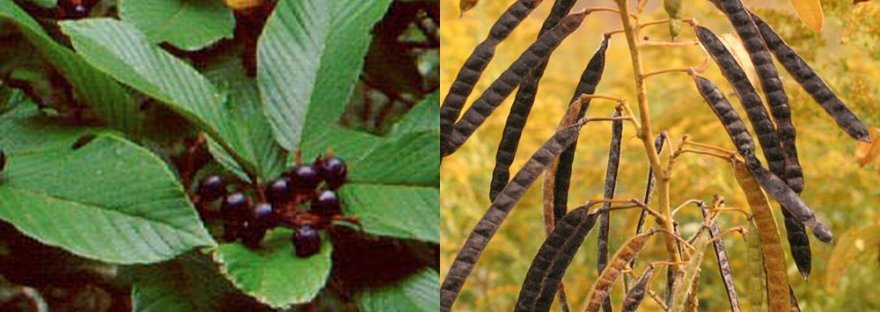
  • Cascara Sagrada Bark, 2 parts. Tones the muscle of the bowel and helps it find its own natural rhythm again.
  • Senna Pods, 1 part. A dependable bowel stimulant, the gentler part of the senna plant.
  • Senna Leaves, 1 part. Adds the stronger push of the senna leaf.
  • Ginger Root, 1 part. Warms the bowel and eases the cramping that can come as it starts to move.
  • Barberry Root Bark, 1 part. Stimulates the flow of bile from the liver, which is the body’s own natural laxative.
  • Garlic, 1 part. Cleanses and fights the bacteria and parasites that thrive in a sluggish bowel.
  • African Bird Pepper, 1 part. Brings fresh circulation and carries the other herbs where they need to go.

“Parts” can be any measure you like, as long as you use the same one for every herb. By weight, that’s 2 ounces each of Aloe and Cascara, and 1 ounce each of the rest. Powder the herbs, mix them well, and fill capsules.

With or Without the Cayenne

I make this formula two ways, with the African Bird Pepper and without it. If you find you need more than five capsules a day, the cayenne can upset your stomach or burn a bit. It can feel like acid reflux, especially if you take the capsules without food in your stomach. For anyone who needs a larger number, leave the pepper out.

An Extract for the Very Sensitive

Some people can’t swallow capsules, and some bowels are so sensitive that even a small amount of the powdered herbs sends them into cramps. For them, the same formula without the cayenne can be made into an extract.

I had a woman who could not move her bowels, but even a quarter of a capsule would rip her up. She’d be in horrid cramps. We made the extract, and she needed only one or two drops a day. Without that little bit of help her bowels were just too tight, but with it she was fine.

Put the dry herbs in a glass jar and pour in 80-proof vodka. Once the herbs have settled, you want about 60% herb sediment on the bottom and 40% liquid on top. Shake the jar every day. The traditional timing follows the moon, from the new moon to the full moon, about two weeks. I prefer to let my extracts sit a full three months, which makes them good and strong. Then strain and bottle the liquid. Start with a single drop a day and adjust from there.

A Second Formula: Heavier on the Cascara

Senna has been given a bad name over the years, and some people find it harsh. Some simply respond better to a different set of herbs. For them, a good alternative formula might contain these five herbs, with no Senna and no cayenne:

  • Cascara Sagrada Bark, 4 parts. The heart of this formula. When I built it for myself I tripled the Cascara, because that was what my body responded to. It appears a good many other people like it too.
  • Barberry Root Bark, 1 part. Gets the bile flowing.
  • Ginger Root, 1 part. Warms the bowel and eases cramping.
  • Curacao and Cape Aloe, 1 part. A bitter that wakes up the bowel wall.
  • Turkey Rhubarb Root, 1 part. Moves the bowel, then gently tones it afterward.

By weight, that’s 4 ounces of Cascara and 1 ounce each of the rest.

How Much and How Often

Both formulas are used the same way. Take 1 capsule with dinner the first day, 2 the second day, and 3 the third day. Keep adding one capsule a day until you find your number, the amount that gives you good, easy movements.

The average person lands between 3 and 5 capsules a day. There are a few poor souls who need 10 or more. I need many times the average myself, and my body is grateful for every one. There is no limit. The goal is to support your body in removing its waste, however many capsules that takes.

Working Alongside the Fiber Blends

These formulas get the bowel moving. Fiber gives it something to move. In a bowel cleansing program, a lower bowel formula is always established first and kept going, so the bowel keeps moving well while an absorbing fiber blend, the bowel vacuum, does the heavy cleansing work. For a healing fiber blend, see A Fiber Blend That Heals While It Works, and for the bowel vacuum itself, which doubles as a 911 for vomiting and diarrhea, see A 911 for Vomiting and Diarrhea.

If capsules are hard for you to swallow, or the taste is too bitter, see Bowel Formula Squares: An Easier Way to Take Your Herbs.

This is shared for educational purposes, from my own study and experience. It is not medical advice.
Herbal Healing, Weight Loss

A Steady Herbal Help for Weight Control

This is not a crash program for fast weight loss. It is a formula for gradual, steady loss that doesn’t rob the body of the nutrients it needs, the way so many fad diets do. Combine it with the mucusless diet and you have a winner.

It works on several fronts at once. It purifies the blood, helps the kidneys release excess fluid, feeds the body to relieve the nervous tension that dieting so often brings, takes the edge off the appetite, and feeds the thyroid and other glands, so the body can settle into a healthier state for holding its weight.

What a Good Weight Formula Contains

A good weight-control formula might contain these eleven herbs:

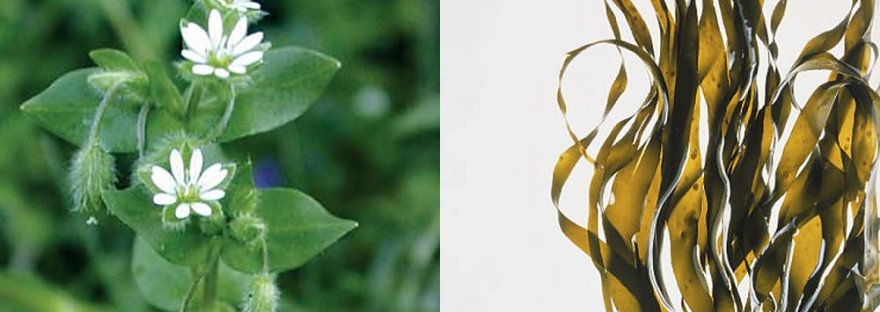
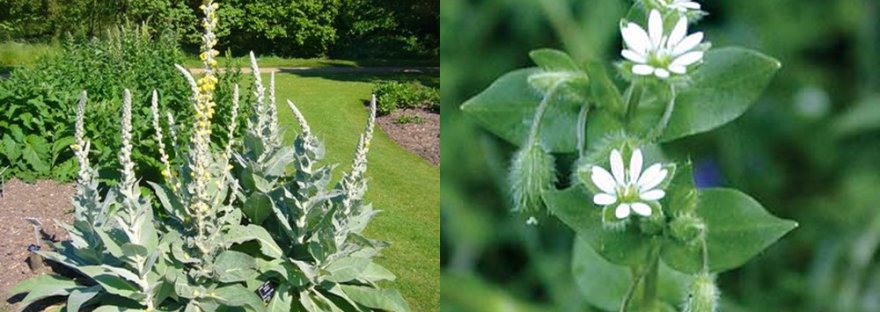
  • Chickweed, 6 parts. The lead herb, long known as the classic herb for weight loss. It helps the body break down and clear fatty deposits.
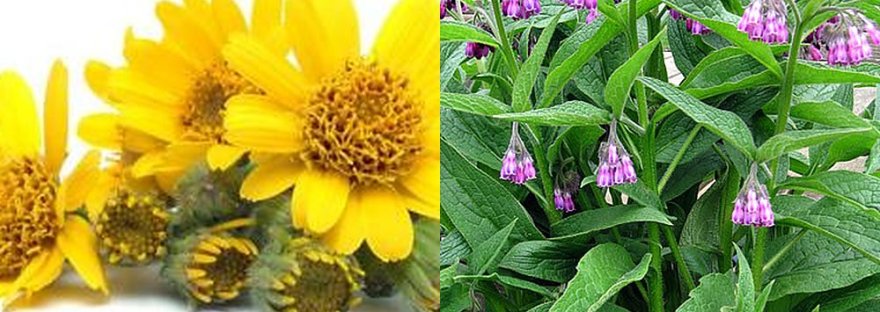
  • Safflower Flowers, 4 parts. Supports digestion and the body’s use of fats.
  • Burdock Root, 3 parts. One of the best blood purifiers in nature, and a gentle help for the kidneys.
  • Parsley Root, 3 parts. Helps the kidneys release excess fluid.
  • Kelp Blend, 3 parts. Atlantic Kelp, Irish Moss and Dulse in equal parts, feeding the thyroid, the body’s metabolic engine. See Kelp: Food from the Sea for the Thyroid.
  • Licorice Root, 2 parts. Supports the adrenals and steadies blood sugar.
  • Fennel Seed, 2 parts. Takes the edge off the appetite and keeps digestion comfortable.
  • Echinacea, 2 parts. Supports the immune system and the lymph while the body clears waste.
  • Black Walnut Leaves, 2 parts. Cleansing and toning, and rich in organic iodine.
  • Papaya Leaves, 2 parts. Aids digestion.
  • Hawthorn Berries, 1 part. Feeds and strengthens the heart.

“Parts” can be any measure you like, as long as you use the same one for every herb. By weight, that’s 6 ounces of Chickweed, 4 of Safflower, 3 each of Burdock, Parsley Root and the kelp blend, 2 each of the next five, and 1 of Hawthorn.

Putting It Together

Put the dry herbs in a glass jar and pour in 80-proof vodka. Once the herbs have settled, you want about 60% herb sediment on the bottom and 40% liquid on top. Shake the jar every day. The traditional timing follows the moon, from the new moon to the full moon, about two weeks. I prefer to let my extracts sit a full three months, which makes them good and strong. Then strain and bottle the liquid.

How Much and How Often

2 to 4 droppersful morning and evening. If you find you need more or less, adjust to what works best for you.

Several of these herbs gently move water through the kidneys, so drink plenty of water while using this formula. If you feel foggy or drained, cut back the dose. Some people, especially those already on a very clean diet, may simply need less.

For a gentler formula that steadies the appetite without any fluid-clearing herbs, see Taking the Edge Off Between-Meal Hunger, and for the bigger picture, my weight-loss series starting with The Weight Behind the Weight.

This is shared for educational purposes, from my own study and experience. It is not medical advice.
Herbal Healing, Pain, Joints & Injuries

Clearing and Rebuilding Painful Joints

Arthritis seems to be everywhere right now. A joint that has become hot, swollen and painful is usually a joint where waste and mineral deposits have built up: calcium the body accepted but never assimilated, settling where it doesn’t belong. Clearing that takes time, but it can be done.

This formula brings together herbs that detoxify; herbs that act as a solvent for those calcium deposits; herbs that relieve pain; herbs rich in organic calcium the body can actually use; and herbs that fight fungus and infection. Relief is not immediate, because there is a long rebuilding job to do. Gradual relief can come, and full recovery, if the program is followed faithfully. Dr. Christopher taught that it should be made both as a salve and as an extract, and we make it both ways.

What a Good Joint Formula Contains

A good formula for arthritic joints might contain these thirteen herbs:

  • Hydrangea Root, 6 parts. Dr. Christopher called it the solvent of solvents; there was no greater aid, he taught, for getting rid of stones and inorganic mineral deposits throughout the body.
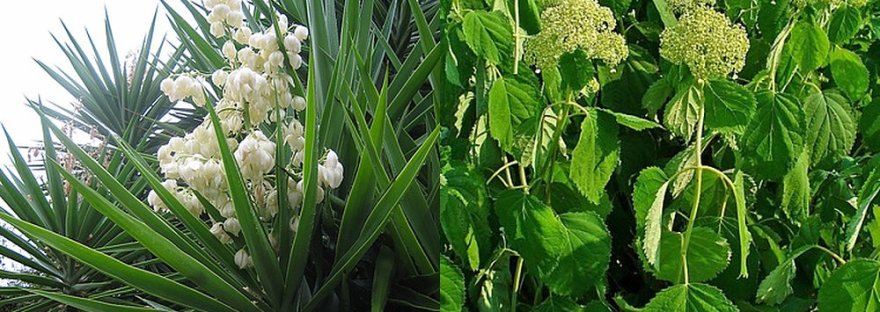
  • Yucca Root, 4 parts. Long used to ease arthritic pain and reduce swelling and inflammation in the joints. See Understanding Yucca, An Herbal Support.
  • Mormon Tea, 4 parts. An aid for reducing swelling and inflammation, long used as a blood purifier and for rheumatism.
  • Chaparral, 4 parts. A strong blood purifier and anti-rheumatic.
  • Black Walnut Hulls, 3 parts. A powerful cleansing herb rich in organic iodine, antiseptic and antifungal.
  • Burdock Root, 1 part. One of the best blood-purifying herbs in nature; it increases the flow of urine and relieves congestion in the lymph.
  • Sarsaparilla Root, 1 part. A tonic blood purifier, useful in rheumatism that stems from impure blood.
  • Wild Lettuce, 1 part. A mild, calming herb long used to ease pain.
  • Valerian Root, 1 part. A nervine that calms and feeds frayed nerves and eases pain.
  • Black Cohosh, 1 part. A nervine and antispasmodic that feeds and strengthens the nervous system.
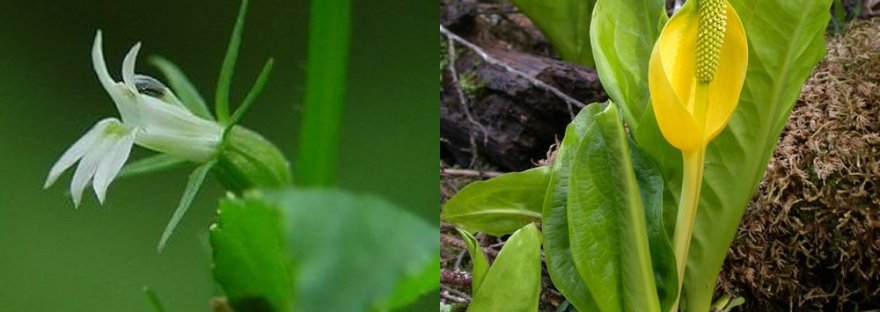
  • Lobelia, 1 part. Removes obstructions and congestion within the body, especially in the blood vessels.
  • Wormwood, 1 part. The most bitter herb there is, a stimulating tonic and antiseptic for the whole system.
  • African Bird Pepper, 1 part. Brings fresh blood to the joint and carries the other herbs where they need to go.

“Parts” can be any measure you like, as long as you use the same one for every herb. By weight, that’s 6 ounces of Hydrangea, 4 each of Yucca, Mormon Tea and Chaparral, 3 of Black Walnut, and 1 ounce each of the rest.

Putting It Together

The extract: Put the dry herbs in a glass jar and pour in 80-proof vodka. Once the herbs have settled, you want about 60% herb sediment on the bottom and 40% liquid on top. Shake the jar every day. The traditional timing follows the moon, from the new moon to the full moon, about two weeks. I prefer to let my extracts sit a full three months, which makes them good and strong. Then strain and bottle the liquid.

The salve: fully extract the herbs in extra virgin olive oil in a 150-degree oven for three hours, swap the spent herbs for fresh, and do it three times through. Strain and thicken with beeswax.

How to Use It

  • The extract: ½ to 1 teaspoon in a cup of hot distilled water, two to three times a day.
  • The salve: apply as a pack over the painful, inflamed joint. Spread the salve on flannel, lay it over the joint, and hold it in place with Press’n Seal wrap. Dramatic results often appear when the pack is left on overnight.
  • Kidney bean pod tea: 1 to 2 quarts a day.
  • Apple cider vinegar: a tablespoon in a glass of water three times a day helps clear uric acid from inflamed joints, and soaking the joint in hot water with apple cider vinegar brings relief.

This formula takes down the inflammation so healing can begin; the bone, flesh and cartilage formula in Knitting Bone, Flesh and Cartilage Back Together knits the damaged joint back together. The two work very differently, and together. Pair them with the mucusless diet and the foundational programs; see Arthritis the Healing Program.

For an overview of how I use herbal salves as topical applications, here is my video:

This is shared for educational purposes, from my own study and experience. It is not medical advice.
Herbal Healing, Skin, Wounds & First Aid

Two Herbal Helps for Healthy Teeth and Gums

Bleeding gums, loose teeth and gum infections don’t have to be the slow slide they so often are. Two simple herbal formulas, one a rinse and one a powder, work beautifully together to bring circulation back into the gums, tighten loose teeth and clear infection from the mouth.

The idea behind them is an old one. Native Americans would place thin strips of inner oak bark between the gums and lips and leave them there through the day or night, and it would heal sores of the gums and tighten loose teeth.

The Tooth and Gum Rinse

This formula increases the circulation to the teeth and gums. Used regularly, it helps tighten teeth and gums and stop the bleeding that comes with plaque buildup and gingivitis. It is antibacterial and antifungal, and goes after oral infection on contact.

A good tooth and gum rinse might contain:

  • Echinacea, 20 parts. The largest part, a strong immune herb that fights infection in the mouth on contact.
  • Bayberry Bark, 8 parts. A strong astringent that tightens and tones spongy, bleeding gums.
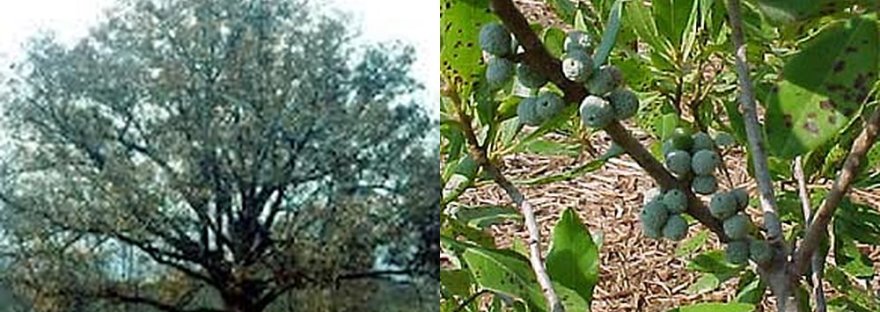
  • White Oak Bark, 4 parts. One of the great astringents, long used to firm the gums and tighten loose teeth.
  • Cayenne (Habanero), 2 parts. Drives fresh circulation into the gums and the roots of the teeth.

Tea Tree, Peppermint and Clove essential oils are stirred in after the herbs are extracted. Tea Tree is antibacterial and antifungal, Clove soothes and numbs, and Peppermint freshens.

Put the dry herbs in a glass jar and pour in 80-proof vodka. Once the herbs have settled, you want about 60% herb sediment on the bottom and 40% liquid on top. Shake the jar every day. The traditional timing follows the moon, from the new moon to the full moon, about two weeks. I prefer to let my extracts sit a full three months, which makes them good and strong. Then strain and bottle the liquid.

How to use it: for best results, use a water pik. Put 4 to 6 droppersful in the reservoir with warm water and use the strongest setting you can tolerate; used daily, gum bleeding often stops within about a week. Or add 2 droppersful to 2 ounces of water and rinse thoroughly, swishing and straining the water through all the teeth. It can also be massaged directly into the gums with a cotton swab.

The Tooth Powder

This powder helps strengthen the gums against bleeding and pyorrhea-type infections, helps tighten loose teeth, and brightens the teeth’s luster. A good tooth powder might contain these seven powdered herbs:

  • Comfrey Root, 6 parts. The largest part, valued for soothing and knitting tissue back together.
  • White Oak Bark, 3 parts. Firms the gums and tightens loose teeth.
  • Horsetail Grass, 3 parts. Rich in silica, which the body uses to build strong bones and teeth.
  • Peppermint, 3 parts. Freshens the mouth and gives the powder a clean taste.
  • Oatstraw, 1 part. A gentle, mineral-rich food for bones and teeth.
  • Cloves, 1 part. Soothes sore gums and helps fight infection.
  • Lobelia, ½ part. A small amount to relax and carry the other herbs into the tissue.

Mix the powders well and keep them in a tightly closed jar.

How to use it: to brush, wet your toothbrush, dip the damp bristles in the powder and brush as usual. For problem gums, mix about a tablespoon of powder with a little distilled water into a firm, fairly dry paste, pack it under the gums and around the teeth on the upper and lower jaws, and leave it on all night. If it won’t stay in place, wrap the paste in gauze. For severe cases, pack it six nights a week, while brushing regularly, until there is clear improvement, then go on brushing with the powder.

“Parts” can be any measure you like, as long as you use the same one for every ingredient.

For more, see Tooth and Gum Health and Herbal Aids for Clearing an Infection in the Teeth and Gums.

This is shared for educational purposes, from my own study and experience. It is not medical advice.
Brain, Nerves & Sleep, Herbal Healing, Herbs & How to Use Them

A Few Drops for Spasms, Cramps and Shock

This is Dr. Christopher’s antispasmodic tincture, and it is one of the most powerful formulas in the herb kingdom, used just a few drops at a time. It has long been used in cases of convulsions, lockjaw, delirium, tremors, fainting, cramps and every kind of spasm.

It has also been an effective aid for kidney stones. It helps relax the smooth muscle wall around the stone so the stone can pass more freely. And it has been used effectively after the body has been through a major physical trauma, such as a car accident, to calm the whole system down.

What a Good Antispasmodic Formula Contains

A good antispasmodic formula might contain these six herbs:

  • Lobelia Seed, 1 part. The heart of the formula and the strongest relaxant in the herb kingdom; as an antispasmodic it is regarded as second to none.
  • Skullcap, 1 part. One of the most trusted nervine herbs, calming nervous tension and spasm in the nerves themselves.
  • Skunk Cabbage, 1 part. A strong antispasmodic and nervine, long used for cramps, spasms and nervous excitement.
  • Gum Myrrh, 1 part. A strong cleansing and antiseptic resin that also helps carry and preserve the formula.
  • Black Cohosh, 1 part. A nervine and antispasmodic that feeds and calms the nervous system and eases muscle tension.
  • Cayenne, ½ part. Drives the formula quickly through the circulation to where it’s needed.

“Parts” can be any measure you like, as long as you use the same one for every herb. By weight, that’s an ounce each of the first five and half an ounce of Cayenne.

Putting It Together

Put the dry herbs in a glass jar and pour in 80-proof vodka. Once the herbs have settled, you want about 60% herb sediment on the bottom and 40% liquid on top. Shake the jar every day. The traditional timing follows the moon, from the new moon to the full moon, about two weeks. I prefer to let my extracts sit a full three months, which makes them good and strong. Then strain and bottle the liquid.

How Much and How Often

One to several drops as needed, on the tongue or in a little water. A small bottle goes a long way.

For more on Lobelia, the backbone of this formula, see Lobelia, and for spasms in the muscles themselves, Mullein and Lobelia: Letting Locked Muscles Go.

This is shared for educational purposes, from my own study and experience. It is not medical advice.
Herbal Healing, Infection, Colds & Flu, Organs & Glands

Soothing and Strengthening the Lungs

The lungs take a beating. Smoke, pollution, colds that settle in and won’t leave, old congestion that never fully cleared: over time the tissue of the airways becomes raw and irritated, and mucus collects where it shouldn’t. This is a formula for the whole respiratory tract. It soothes that irritation, helps the body bring the old mucus up and out, and strengthens the lungs and bronchial tubes so they can do their work.

It has long been used for every kind of lung and bronchial congestion, including bronchitis, asthma and emphysema, and it is a formula to take steadily over time rather than only in an emergency.

What a Good Lung Formula Contains

A good formula for the lungs might contain these five herbs, in equal parts:

  • Comfrey Root, 1 part. Soothes irritated tissue faster than almost anything I know, and helps loosen old, stubborn mucus so it can come up.
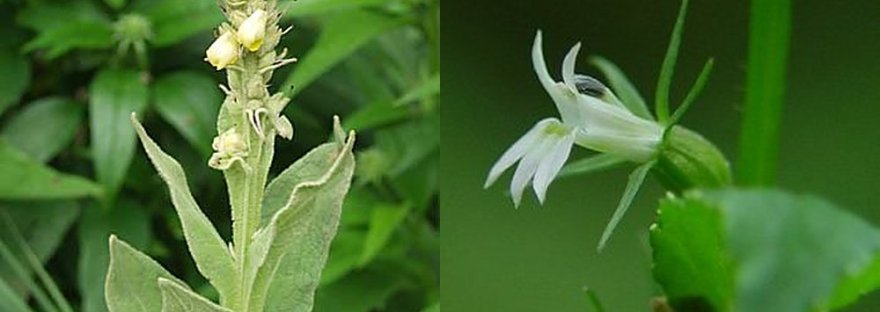
  • Mullein, 1 part. Has a special affinity for the respiratory organs and the glands, calming inflamed, irritated tissue in the lungs and bronchial tubes.
  • Chickweed, 1 part. A cooling, soothing herb used to calm irritated lungs and help dissolve congestion.
  • Marshmallow Root, 1 part. Coats and soothes raw membranes and helps the body move mucus out of the airways.
  • Lobelia, 1 part. An antispasmodic that relaxes tight airways and helps open the lungs and move material out of them.

“Parts” can be any measure you like, as long as you use the same one for every herb. By weight, that’s simply equal ounces of all five.

Putting It Together

Put the dry herbs in a glass jar and pour in 80-proof vodka. Once the herbs have settled, you want about 60% herb sediment on the bottom and 40% liquid on top. Shake the jar every day. The traditional timing follows the moon, from the new moon to the full moon, about two weeks. I prefer to let my extracts sit a full three months, which makes them good and strong. Then strain and bottle the liquid.

How Much and How Often

2 to 4 droppersful, three to five times a day.

For a cough that hangs on, see Clearing a Cough That Won’t Let Go, and for the bigger picture, Lungs & Respiratory System Class.

This is shared for educational purposes, from my own study and experience. It is not medical advice.
Herbal Healing, Organs & Glands

Food for the Glands

Mullein and Lobelia together were what Dr. Christopher called his glandular formula. It was built to support the glandular system as a whole. It has long been used to ease the congestion and swelling that can come with an over- or under-active thyroid, and to bring comfort to mastitis and other glands that aren’t working as they should.

This is the formula taken by mouth, as food for the glands. The same two herbs also make a topical, which does a good deal more as a relaxant for locked muscles and joints; see Mullein and Lobelia: Letting Locked Muscles Go.

What a Good Gland Formula Contains

Just two herbs:

  • Mullein, 3 parts. A gentle, deeply calming herb with a special affinity for both the respiratory system and the glands. It eases pain and quiets irritated, inflamed nerves, and it is counted among the most important herbs for healthy glandular function.
  • Lobelia, 1 part. An antispasmodic and mild sedative, valued for easing pain and calming irritation throughout the body. Its great strength is removing obstruction and congestion.

“Parts” can be any measure you like, as long as you use the same one for both. By weight, that’s 3 ounces of Mullein to 1 ounce of Lobelia.

Putting It Together

Put the dry herbs in a glass jar and pour in 80-proof vodka. Once the herbs have settled, you want about 60% herb sediment on the bottom and 40% liquid on top. Shake the jar every day. The traditional timing follows the moon, from the new moon to the full moon, about two weeks. I prefer to let my extracts sit a full three months, which makes them good and strong. Then strain and bottle the liquid.

How Much and How Often

2 to 4 droppersful (½ to 1 teaspoon), three times a day.

For the thyroid in particular, see Kelp: Food from the Sea for the Thyroid, and for worn-out adrenals, where Mullein and Lobelia also play a part, Rebuilding Tired Adrenals.

This is shared for educational purposes, from my own study and experience. It is not medical advice.
Herbal Healing, Pain, Joints & Injuries, Skin, Wounds & First Aid

A Homemade Lotion for Deep Tissue, Muscle and Bone

This is a make-it-yourself lotion for repairing damaged tissue, muscle and bone. It promotes the growth of new cells and bone, correcting and healing problem areas, and it has helped many people, and horses, dogs and cats, with back pain, torn ligaments, arthritis, cuts, pulled muscles, knee injuries and more. It also doubles as a poultice base when an area needs deeper work.

What Goes Into It

For the herb-infused oil:

  • 32 ounces extra virgin olive oil
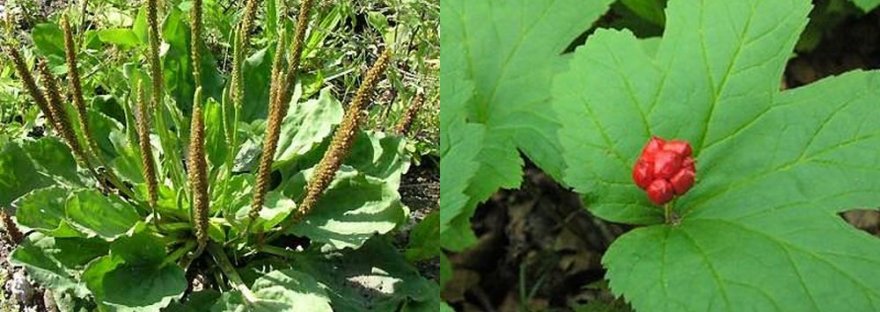
  • ⅛ cup each of these dried, powdered herbs (1 cup in all): Arnica, Comfrey, St. John’s Wort, Plantain, Mullein, White Oak Bark, Skullcap and Lobelia
  • 4 ounces Fire Cayenne powder (300,000 heat units)

For the aloe blend:

  • 1 quart organic aloe vera gel
  • 1½ cups castor oil
  • 1 ounce peppermint oil
  • 1 ounce wintergreen oil (or replace both the peppermint and wintergreen with tea tree oil)

Putting It Together

  • Warm the oil base. Put the olive oil in a glass pan and stir in the powdered herbs and the cayenne. Warm it on low heat on the stove, or on the lowest setting in the oven or a slow cooker, for 1 to 2 hours, stirring now and then. Don’t let it boil. Take it off the heat.
  • Blend the aloe base. While the oil warms, blend the aloe gel, castor oil, peppermint oil and wintergreen oil in a blender until white and creamy.
  • Combine. Once the herb oil has cooled, strain out the herbs through a cotton cloth. Add the strained oil to the aloe blend and blend again.
  • Store. Bottle it and keep it in the refrigerator. It makes about 2 quarts.

To powder your own herbs, a small electric grinder works well; shake it while it grinds. Don’t worry about exact measurements. Use a little more or less of any ingredient, or leave one out if you don’t have it on hand.

How to Use It

Rub the lotion into the injured area as needed.

To make a poultice, mix the lotion with slippery elm bark powder until it’s the consistency you want. This is a powerful formula that breaks up and releases toxins, so use the lotion alone for at least 3 days before putting a poultice on top of it, to give the bloodstream and immune system time to build up their defenses. When you wrap, put the poultice on first, then a layer of cotton muslin, then the wrap. Leave it on for 2 hours at first, and only lengthen the time if the person or animal doesn’t feel ill. Wash a wrap before using it again, since it draws toxins out too.

For more, see Understanding Your Backache and Knitting Bone, Flesh and Cartilage Back Together.

This is shared for educational purposes, from my own study and experience. It is not medical advice.
Herbal Healing, Pain, Joints & Injuries

A Deep Heating Oil for Sore Muscles and Joints

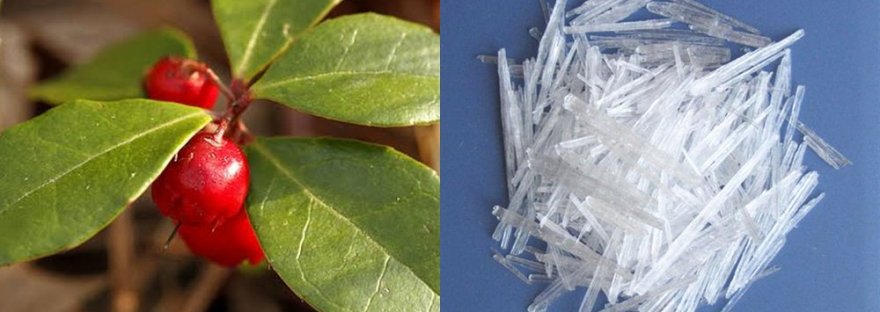
This oil is all about circulation. It brings fresh blood to a sore, injured or blocked area and sends it deep through the tissue. Wintergreen oil and menthol give it the same warming, tingling action as the classic muscle rubs, Cayenne and Ginger add their own circulating heat, and Arnica, St. John’s Wort and Marigold (Calendula), infused into olive oil, soothe bruised and overworked tissue.

It eases sore, stiff muscles and aching joints, warms the area and draws the blood to it.

What Goes Into It

  • 32 ounces extra virgin olive oil. The carrier the herbs are infused into.
  • 6 ounces of dry herbs: Arnica Flowers, St. John’s Wort and Marigold Flowers in equal parts, with a half part of cut Ginger Root (in a 6-ounce pack, that’s about 1¾ ounces each of the three flowers and a scant ounce of Ginger). Arnica is the traditional herb for bruises, sprains and overworked muscles, St. John’s Wort soothes nerve pain and irritated tissue, Marigold is gentle and skin-soothing, and Ginger adds its own warming, circulating effect.
  • 4 ounces Fire Cayenne powder. A warming circulatory stimulant that draws the blood to the area.
  • 12 ounces menthol crystals. The cooling-then-warming tingle that helps ease muscle and joint pain.
  • 16 ounces wintergreen oil. The main warming agent and the source of the deep, penetrating heat. Its main compound, methyl salicylate, is closely related to aspirin.

Putting It Together

  • Put the olive oil in a glass pan and warm it on low heat on the stove. Stir in the dry herbs and the cayenne.
  • Let it warm for 1 hour on low heat, stirring now and then. Don’t let it boil. Take it off the heat.
  • When it has cooled slightly, strain the herbs out of the oil. A fine wire strainer works well.
  • While the oil is still warm, stir in the menthol crystals. They will melt in the remaining heat; don’t reheat it.
  • Once it has cooled to room temperature, add all of the wintergreen oil.

Bottle it and store it in a cool place. Don’t refrigerate it. It makes about 1½ quarts.

How to Use It

Massage a small amount into sore muscles or joints as needed. It’s strong, so try it on a small spot first to see how your skin takes it. It is for the outside of the body only; keep it away from the eyes, mouth and broken skin, and wash your hands after using it. Don’t put a heating pad, hot bath or tight wrap over it, since the extra heat on top of the cayenne, menthol and wintergreen can burn. Keep the bottle well out of children’s reach; wintergreen oil is dangerous to swallow.

For more on bringing circulation to an injured area, see Hydrotherapy, the Ultimate Healing Tool and Knitting Bone, Flesh and Cartilage Back Together.

This is shared for educational purposes, from my own study and experience. It is not medical advice.

Herbal Healing, Infection, Colds & Flu, Skin, Wounds & First Aid

A Salve for Stings, Bites and Hot, Inflamed Sores

This salve is gentle enough for a baby’s bottom, yet strong enough for any hot or inflamed sore on the body. It works on bee stings, wasp stings and ant bites, it’s a great aid for any skin infection, and some members also use it for sores in and around the mouth.

One afternoon, while I was waiting for my husband to head into town, I saw a few weeds sitting happy as could be in our raised flower bed. I leaned in and absentmindedly began pulling them, which seriously upset a garden-variety spider and a whole mound of ants. I react very strongly to ant bites, so this was a foolish move to make without a glove on my hand. Teach me to skip the glove! I was bitten by all of them before I got my hand out of there. After dousing my swelling fingers and palm with cold water, I spread a thick layer of this salve over the burning, swelling areas. We skipped our trip into town while I sat at my desk playing Solitaire to distract myself while the salve went to work. In about 15 minutes the ant bites had cleared, though the spider bite took a couple of hours to stop throbbing and wasn’t fully clear of redness until the next morning.

How It Clears a Skin Infection

A skin infection usually moves in stages. A break in the skin lets bacteria in, then the area turns red, warm and swollen as the body’s defenses rush to the site, and if it isn’t brought under control it can deepen, spread, or turn painful and slow to heal. The herbs in this salve work at each stage. Goldenseal, Black Walnut and Oregano oil go after the infection itself. Plantain, Marshmallow and Frankincense calm the redness, heat and swelling. Lobelia eases the tension and discomfort around the site.

What a Good Infection Salve Contains

A good infection salve might contain these six herbs:

  • Plantain, 4 parts. A common roadside plant with a long history as a wound herb. It draws out toxins and soothes irritated, inflamed skin.
  • Black Walnut, 4 parts. A strong antiseptic and antifungal herb, used to clear infection from the skin and keep it from spreading. See Black Walnut: Nature’s Strongest Antifungal.
  • Goldenseal Root, 4 parts. One of the most trusted infection-fighting herbs, prized for clearing infection and supporting healing wherever it’s applied.
  • Bugle Weed, 2 parts. Brings a soothing, cooling action, calming inflamed and irritated tissue.
  • Marshmallow Root, 1 part. Deeply soothing to inflamed skin, calming the burning and swelling of a sting, bite or infection.
  • Lobelia, 1 part. A relaxing, antispasmodic herb that eases the tension and discomfort around a painful area.

“Parts” can be any measure you like, as long as you use the same one for every herb. By weight, that’s 4 ounces each of Plantain, Black Walnut and Goldenseal, 2 of Bugle Weed, and 1 each of Marshmallow and Lobelia. These are the same herbs as the extract in Getting the Herbs to Where the Infection Lives.

Frankincense and Oregano essential oils finish it. Frankincense is anti-inflammatory and antiseptic and speeds healing; Oregano is a strong natural antiseptic that adds to the salve’s infection-fighting power.

Putting It Together

This salve gets its strength from a triple infusion. Fully extract the herbs in extra virgin olive oil in a 150-degree oven for three hours, swap the spent herbs for fresh, and do it three times through, all in the same oil. Strain, thicken with beeswax, and stir in the Frankincense and Oregano oils at the end. Olive oil feeds and softens the skin as it carries the herbs, and beeswax brings its own mild soothing, protective qualities and helps the salve stay put.

How to Use It

Spread it directly on the sore, sting or bite and cover it with a flannel pack. Or try this trick: lay a piece of flannel on a sheet of Press’n Seal wrap, sticky side up, spread the salve on the flannel, then pick it up and press it right over the area.

For more, see Wound Care, Brown Recluse Spider Bite and Healing with Salves.

For an overview of how I use herbal salves as topical applications, here is my video:

This is shared for educational purposes, from my own study and experience. It is not medical advice.