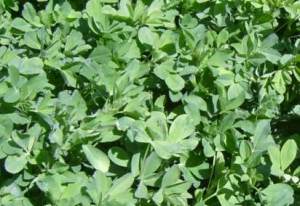
The herb alfalfa is good for man or beast. Alfalfa is a plant we can use with complete safety. It is non-toxic, non-poisonous and non-habit forming. This qualifies it as one of many herbs which are beneficial for mankind. It is “seed bearing” and a green herb, fulfilling the Biblical specifications in Genesis 1:29 and 30.
It is only in recent years that we moderns are rediscovering its valuable nutritive properties, which include organic minerals of calcium, magnesium, phosphorus and potassium, plus all the known vitamins including Vitamin K and the recently discovered Vitamin B-8 and Vitamin P. Alfalfa’s organic salts are among the richest known, the depth and spread of its roots enabling it to absorb its valuable nutrition as far as 125 feet below the earth’s surface. This deep growing plant is seen from Maine to Virginia and westward to the Pacific Coast in the United States.
Vitamin D & B12: Alfalfa is one of the few vegetable sources of Vitamin D. Although the sun is generally regarded as the best source for getting this vitamin there are about 4740 International Units of Vitamin D per pound of Alfalfa. Another important element in Alfalfa is vitamin Bl2. Most nutritionists claim that it is only present in animal products, dairy products, or sewage.
Significant Source of Protein: Alfalfa, along with other foods, is known to help remove cholesterol from the system. Alfalfa has a significant amount of protein–18.9%, as compared with 16.5% in beef, 3.3% in milk and 13.1% in eggs. Eating the sprouts can add a significant amount of important protein into a vegan’s food program whose diet may include so many grains and beans that concentrated proteins are difficult to obtain.
Alfalfa was discovered by the Arabs and is one of the first known herbs. They called it the “father of all foods.” An amazing label to apply when one considers the only obtainable herbal wisdom was use and observation. There were no testing facilities to determine the dense nutrient value within the herb. Their only knowledge of alfalfa came by evidential experience.
Alfalfa is helpful for every condition of the body whether it be maintaining or regaining health as the contents are balanced for complete absorption. Each nutrient perfectly supports absorption, enabling 100% usage of the dense nutrients found in this plant. Alfalfa may be used by itself or blended with other herbal teas with or between meals.
Alfalfa and Pregnancy
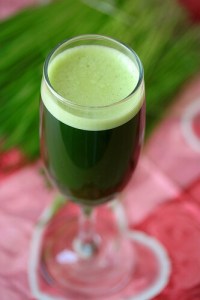 Alfalfa is an important herb to take throughout pregnancy. For morning sickness a daily green drink consisting of Alfalfa, comfrey and fresh red-raspberry leaves has been used with great success. The fresh green drink is much more effective than a tea made of the same substances.
Green Drink: Make in a blender using Alfalfa, comfrey, and fresh red-raspberry leaves. The addition of pineapple juice, fresh or canned, may enhance the flavor. Lamb’s quarter may also be added for extra nutriments.
If the mother-to-be would make use of this God-given herb, she would provide the growing infant with nutrient rich blood, the best raw materials for building a healthy body.
Alfalfa also contains hormones. These hormones are utilized by the pituitary gland. This is the gland which regulates labor. It is essential to have this gland in top condition.

Clotting Factor: Vitamin K, present in alfalfa, is the substance which has been called “the clotting factor.” Many unnecessary hemorrhages can be prevented by the daily ingestion of alfalfa tea, capsules or tablets during pregnancy.
After delivery, the ingestion of alfalfa will facilitate the healing of the uterus. Pregnant women would do well to take no less than 15 alfalfa tablets or capsules daily.
Rich Milk: Alfalfa is also thought to dramatically help bring the milk in for the nursing mother. It certainly enriches the quality of the milk and is much preferable to other hot beverages, such as regular tea, which can pollute the breast milk. It can be flavored with mint, orange peel, and honey.
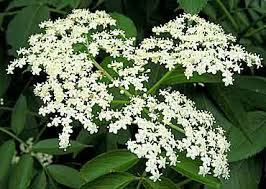 Dr. Christopher speaks about the Elder’s great healing powers. The Elder is an indigenous shrub growing in all parts of the United States and Canada “The great herbalist, Henry Box of England, stated, “For colds, influenza, fevers, inflammation of the brain, pneumonia, inflammation of stomach, bowels, or any other part, this is a certain cure. I have never known it to fail, even when given up and at the point of death. It will not only save at the eleventh hour, but at the last minute of that hour. It is so harmless that you cannot use it amiss and so effectual that you cannot give it in vain”.


 Someone recently asked me for a bit of natural healing support for dealing with the all too common detoxing backlash known as “The Cleansing Crisis”.
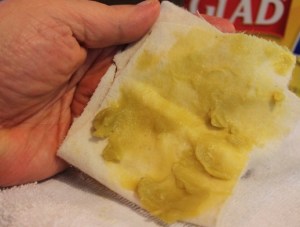
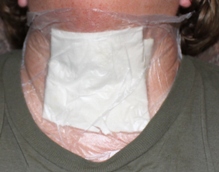
 Swelling can occur for many reasons. Depending on the issues in the body proper herbal support needs to be in place for any heart or kidney issues before moving into the stronger detoxing programs. The scary painful swelling that occurs when infection is rapidly moving from the lower levels to the upper systems for elimination can appear with sudden intensity. Only the most experienced natural healer would not lose it when facing this crisis. Truthfully it is easily handled and quickly cleared with the Charcoal Flaxseed (infection) poultice applied as needed over the affected area. The body is doing its job perfectly; our job is to support the process of infection removal.
 Hair loss is the first symptom of hormonal imbalance for many women. Sometime between thirty-five and forty-five most women will notice their hair beginning to thin. This natural thinning can become alarming when a simple brush stroke produces a hand full of hair. Very few of us can afford to drag our feet, something must be done quickly.
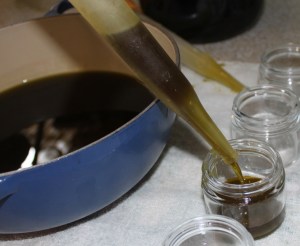 Today let’s put something together for those brave souls willing to advance into salve making. Over the years many of our members have asked for a good set of directions.
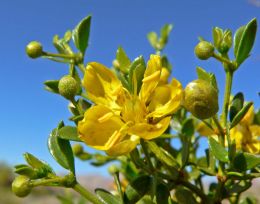 One of the most amazing discoveries about chaparral is that it contains a tremendous amount of Manganese, copper, and zinc.
 The SAD food program being consumed is seriously beginning to affect our children. Health issues that used to be reserved for the middle aged are creeping into the preteen child.

