
Herbal Healing, Pain, Joints & Injuries, Skin, Wounds & First Aid

A Homemade Lotion for Deep Tissue, Muscle and Bone

This is a make-it-yourself lotion for repairing damaged tissue, muscle and bone. It promotes the growth of new cells and bone, correcting and healing problem areas, and it has helped many people, and horses, dogs and cats, with back pain, torn ligaments, arthritis, cuts, pulled muscles, knee injuries and more. It also doubles as a poultice base when an area needs deeper work.

What Goes Into It

For the herb-infused oil:

  • 32 ounces extra virgin olive oil
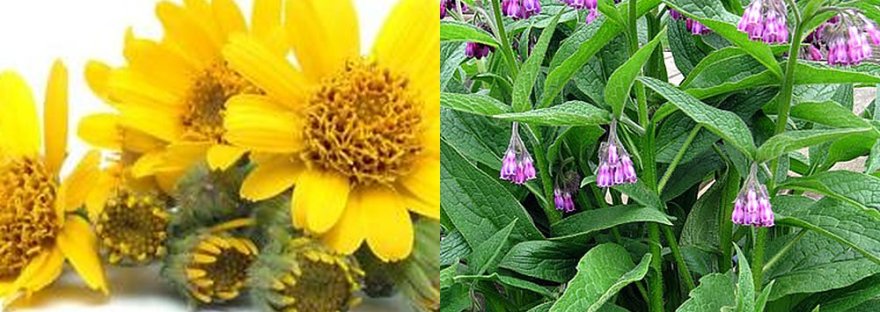
  • ⅛ cup each of these dried, powdered herbs (1 cup in all): Arnica, Comfrey, St. John’s Wort, Plantain, Mullein, White Oak Bark, Skullcap and Lobelia
  • 4 ounces Fire Cayenne powder (300,000 heat units)

For the aloe blend:

  • 1 quart organic aloe vera gel
  • 1½ cups castor oil
  • 1 ounce peppermint oil
  • 1 ounce wintergreen oil (or replace both the peppermint and wintergreen with tea tree oil)

Putting It Together

  • Warm the oil base. Put the olive oil in a glass pan and stir in the powdered herbs and the cayenne. Warm it on low heat on the stove, or on the lowest setting in the oven or a slow cooker, for 1 to 2 hours, stirring now and then. Don’t let it boil. Take it off the heat.
  • Blend the aloe base. While the oil warms, blend the aloe gel, castor oil, peppermint oil and wintergreen oil in a blender until white and creamy.
  • Combine. Once the herb oil has cooled, strain out the herbs through a cotton cloth. Add the strained oil to the aloe blend and blend again.
  • Store. Bottle it and keep it in the refrigerator. It makes about 2 quarts.

To powder your own herbs, a small electric grinder works well; shake it while it grinds. Don’t worry about exact measurements. Use a little more or less of any ingredient, or leave one out if you don’t have it on hand.

How to Use It

Rub the lotion into the injured area as needed.

To make a poultice, mix the lotion with slippery elm bark powder until it’s the consistency you want. This is a powerful formula that breaks up and releases toxins, so use the lotion alone for at least 3 days before putting a poultice on top of it, to give the bloodstream and immune system time to build up their defenses. When you wrap, put the poultice on first, then a layer of cotton muslin, then the wrap. Leave it on for 2 hours at first, and only lengthen the time if the person or animal doesn’t feel ill. Wash a wrap before using it again, since it draws toxins out too.

For more, see Back, Knee and Sciatic Pain: My Stories and Knitting Bone, Flesh and Cartilage Back Together.

This is shared for educational purposes, from my own study and experience. It is not medical advice.
Herbal Healing, Pain, Joints & Injuries

A Deep Heating Oil for Sore Muscles and Joints

This oil is all about circulation. It brings fresh blood to a sore, injured or blocked area and sends it deep through the tissue. Wintergreen oil and menthol give it the same warming, tingling action as the classic muscle rubs, Cayenne and Ginger add their own circulating heat, and Arnica, St. John’s Wort and Marigold (Calendula), infused into olive oil, soothe bruised and overworked tissue.

It eases sore, stiff muscles and aching joints, warms the area and draws the blood to it.

What Goes Into It

  • 32 ounces extra virgin olive oil. The carrier the herbs are infused into.
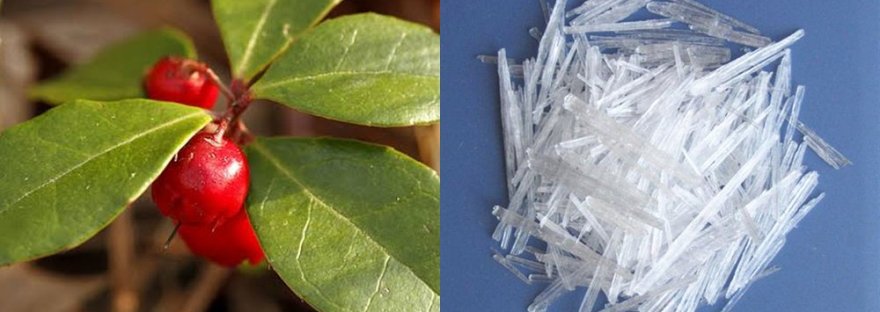
  • 6 ounces of dry herbs: Arnica Flowers, St. John’s Wort and Marigold Flowers in equal parts, with a half part of cut Ginger Root (in a 6-ounce pack, that’s about 1¾ ounces each of the three flowers and a scant ounce of Ginger). Arnica is the traditional herb for bruises, sprains and overworked muscles, St. John’s Wort soothes nerve pain and irritated tissue, Marigold is gentle and skin-soothing, and Ginger adds its own warming, circulating effect.
  • 4 ounces Fire Cayenne powder. A warming circulatory stimulant that draws the blood to the area.
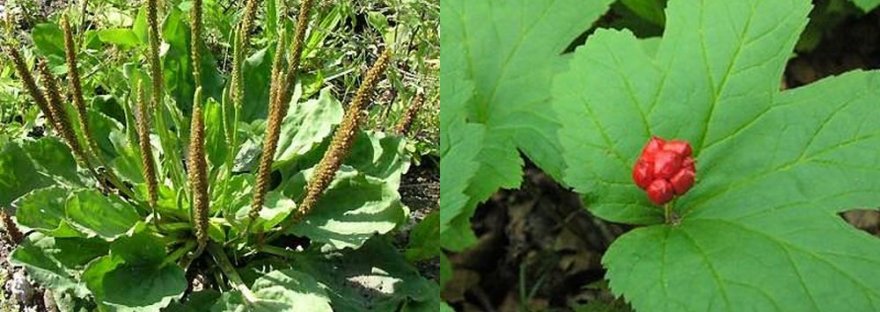
  • 12 ounces menthol crystals. The cooling-then-warming tingle that helps ease muscle and joint pain.
  • 16 ounces wintergreen oil. The main warming agent and the source of the deep, penetrating heat. Its main compound, methyl salicylate, is closely related to aspirin.

Putting It Together

  • Put the olive oil in a glass pan and warm it on low heat on the stove. Stir in the dry herbs and the cayenne.
  • Let it warm for 1 hour on low heat, stirring now and then. Don’t let it boil. Take it off the heat.
  • When it has cooled slightly, strain the herbs out of the oil. A fine wire strainer works well.
  • While the oil is still warm, stir in the menthol crystals. They will melt in the remaining heat; don’t reheat it.
  • Once it has cooled to room temperature, add all of the wintergreen oil.

Bottle it and store it in a cool place. Don’t refrigerate it. It makes about 1½ quarts.

How to Use It

Massage a small amount into sore muscles or joints as needed. It’s strong, so try it on a small spot first to see how your skin takes it. It is for the outside of the body only; keep it away from the eyes, mouth and broken skin, and wash your hands after using it. Don’t put a heating pad, hot bath or tight wrap over it, since the extra heat on top of the cayenne, menthol and wintergreen can burn. Keep the bottle well out of children’s reach; wintergreen oil is dangerous to swallow.

For more on bringing circulation to an injured area, see Hydrotherapy, the Ultimate Healing Tool and Knitting Bone, Flesh and Cartilage Back Together.

This is shared for educational purposes, from my own study and experience. It is not medical advice.
Herbal Healing, Infection, Colds & Flu, Skin, Wounds & First Aid

A Salve for Stings, Bites and Hot, Inflamed Sores

This salve is gentle enough for a baby’s bottom, yet strong enough for any hot or inflamed sore on the body. It works on bee stings, wasp stings and ant bites, it’s a great aid for any skin infection, and some members also use it for sores in and around the mouth.

One afternoon, while I was waiting for my husband to head into town, I saw a few weeds sitting happy as could be in our raised flower bed. I leaned in and absentmindedly began pulling them, which seriously upset a garden-variety spider and a whole mound of ants. I react very strongly to ant bites, so this was a foolish move to make without a glove on my hand. Teach me to skip the glove! I was bitten by all of them before I got my hand out of there. After dousing my swelling fingers and palm with cold water, I spread a thick layer of this salve over the burning, swelling areas. We skipped our trip into town while I sat at my desk playing Solitaire to distract myself while the salve went to work. In about 15 minutes the ant bites had cleared, though the spider bite took a couple of hours to stop throbbing and wasn’t fully clear of redness until the next morning.

How It Clears a Skin Infection

A skin infection usually moves in stages. A break in the skin lets bacteria in, then the area turns red, warm and swollen as the body’s defenses rush to the site, and if it isn’t brought under control it can deepen, spread, or turn painful and slow to heal. The herbs in this salve work at each stage. Goldenseal, Black Walnut and Oregano oil go after the infection itself. Plantain, Marshmallow and Frankincense calm the redness, heat and swelling. Lobelia eases the tension and discomfort around the site.

What a Good Infection Salve Contains

A good infection salve might contain these six herbs:

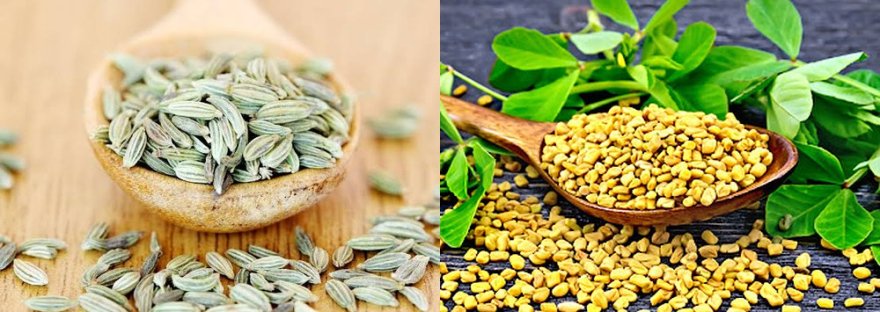
  • Plantain, 4 parts. A common roadside plant with a long history as a wound herb. It draws out toxins and soothes irritated, inflamed skin.
  • Black Walnut, 4 parts. A strong antiseptic and antifungal herb, used to clear infection from the skin and keep it from spreading. See Black Walnut: Nature’s Strongest Antifungal.
  • Goldenseal Root, 4 parts. One of the most trusted infection-fighting herbs, prized for clearing infection and supporting healing wherever it’s applied.
  • Bugle Weed, 2 parts. Brings a soothing, cooling action, calming inflamed and irritated tissue.
  • Marshmallow Root, 1 part. Deeply soothing to inflamed skin, calming the burning and swelling of a sting, bite or infection.
  • Lobelia, 1 part. A relaxing, antispasmodic herb that eases the tension and discomfort around a painful area.

“Parts” can be any measure you like, as long as you use the same one for every herb. By weight, that’s 4 ounces each of Plantain, Black Walnut and Goldenseal, 2 of Bugle Weed, and 1 each of Marshmallow and Lobelia. These are the same herbs as the extract in Getting the Herbs to Where the Infection Lives.

Frankincense and Oregano essential oils finish it. Frankincense is anti-inflammatory and antiseptic and speeds healing; Oregano is a strong natural antiseptic that adds to the salve’s infection-fighting power.

Putting It Together

This salve gets its strength from a triple infusion. Fully extract the herbs in extra virgin olive oil in a 150-degree oven for three hours, swap the spent herbs for fresh, and do it three times through, all in the same oil. Strain, thicken with beeswax, and stir in the Frankincense and Oregano oils at the end. Olive oil feeds and softens the skin as it carries the herbs, and beeswax brings its own mild soothing, protective qualities and helps the salve stay put.

How to Use It

Spread it directly on the sore, sting or bite and cover it with a flannel pack. Or try this trick: lay a piece of flannel on a sheet of Press’n Seal wrap, sticky side up, spread the salve on the flannel, then pick it up and press it right over the area.

For more, see Infection: Skin & Wounds and Healing with Salves.

For an overview of how I use herbal salves as topical applications, here is my video:

This is shared for educational purposes, from my own study and experience. It is not medical advice.
Digestion & Gut, Herbal Healing, Weight Loss

Taking the Edge Off Between-Meal Hunger

Losing weight and keeping it off is as much about the brain and the nervous system as it is about food. This is a gentle formula to keep the appetite steady and comfortable between meals. It combines classic digestive bitters with a seed that supports a natural feeling of fullness and a calming nervine, so it settles rather than stimulates.

What a Good Appetite Formula Contains

A good formula for a steady appetite might contain these five herbs:

  • Fennel Seed, 2 parts. A sweet, aromatic seed long used to settle the stomach and ease digestion, with an old reputation for taking the edge off appetite between meals.
  • Gentian Root, 2 parts. One of the classic bitter roots. It stirs up the digestive juices and has long been used to curb the desire to eat between meals.
  • Fenugreek Seed, 2 parts. A mucilaginous seed that swells into a gentle gel in the stomach and supports a natural feeling of fullness. It is also used to support steady blood sugar, which plays a part in appetite.
  • Skullcap, 2 parts. A calming nervine that supports emotional steadiness, so the body isn’t fighting a wound-up nervous system while it adjusts.
  • Ginger Root, 1 part. The warming mover, supporting circulation and helping the body make good use of the other herbs.

“Parts” can be any measure you like, as long as you use the same one for every herb. By weight, that’s 2 ounces each of the first four and 1 of Ginger. For a one-gallon batch, that works out to about 5.7 ounces each of the first four and 2.85 ounces of Ginger.

Putting It Together

Put the dry herbs in a glass jar and pour in 80-proof vodka. Once the herbs have settled, you want about 60% herb sediment on the bottom and 40% liquid on top. Shake the jar every day. The traditional timing follows the moon, from the new moon to the full moon, about two weeks. I prefer to let my extracts sit a full three months, which makes them good and strong. Then strain and bottle the liquid.

Crack the Fenugreek seed rather than powdering it, so its mucilage doesn’t cloud the extract.

How Much and How Often

About 20 to 30 drops (roughly 1 mL), taken 15 to 20 minutes before a meal, up to three times a day as needed.

For the bigger picture, see my weight-loss series, starting with The Weight Behind the Weight and The Brain Comes First.

This is shared for educational purposes, from my own study and experience. It is not medical advice.
Brain, Nerves & Sleep, Herbal Healing, Herbs & How to Use Them

Clean Energy Without Caffeine

I don’t care for caffeine, and I wanted something for steady energy that works more like ginseng: mental clarity and physical stamina without the jitters or the crash of a stimulant. This blend is the answer I came to. It pairs two classic adaptogen roots with a warming digestive mover and a calming aromatic, so the lift stays smooth and grounded rather than wired.

What a Good Energy Blend Contains

A good caffeine-free energy blend might contain these four herbs:

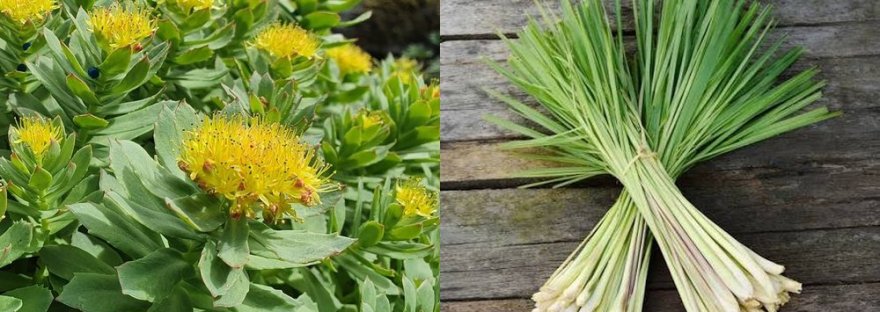
  • Rhodiola Rosea Root, 3 parts. A high-altitude adaptogen long used to ease mental fatigue and support energy, focus and mood under stress. It’s the “drive” herb here, clearing brain fog and sharpening clarity.
  • Eleuthero Root, 3 parts. Also called Siberian Ginseng. It builds steady, stress-adapted stamina, helping the body handle physical and mental strain without crashing afterward.
  • Lemongrass, 2 parts. A bright, aromatic herb with a gentle calming, mood-lifting quality. It’s the “cooler,” keeping the lift smooth and clear rather than jittery.
  • Ginger Root, 1 part. The warming digestive mover. It supports circulation and helps the body tolerate and absorb the two adaptogen roots, which can otherwise sit heavy on the stomach.

“Parts” can be any measure you like, as long as you use the same one for every herb. By weight, that’s 3 ounces each of Rhodiola and Eleuthero, 2 of Lemongrass and 1 of Ginger.

Putting It Together

Put the dry herbs in a glass jar and pour in 80-proof vodka. Once the herbs have settled, you want about 60% herb sediment on the bottom and 40% liquid on top. Shake the jar every day. The traditional timing follows the moon, from the new moon to the full moon, about two weeks. I prefer to let my extracts sit a full three months, which makes them good and strong. Then strain and bottle the liquid.

How Much and How Often

Start with about 30 drops (roughly 1 mL) once in the morning, 20 to 30 minutes before food. This is a morning-only formula; both Rhodiola and Eleuthero are energizing and are best taken early in the day.

For a gentler daily tonic, see Two Ginsengs for Steady Energy, and for more on energy, Power & Energy for a Happy Life.

This is shared for educational purposes, from my own study and experience. It is not medical advice.
Brain, Nerves & Sleep, Herbal Healing, Herbs & How to Use Them

Two Ginsengs for Steady Energy

Some energy comes with a bill attached: a quick lift now that the body pays for later. This simple two-root tonic works the other way. It builds stamina and supports focus steadily, without adding stress to the endocrine system, especially the adrenals. That’s why it’s meant to be taken consistently over time, not just reached for in a pinch.

I take it myself every day, along with my brain formula and a cup of ginger tea, for brain fog, and it works wonderfully for me. That said, there’s rarely just one right answer for something like brain fog; what works beautifully for one body may not be the best fit for another. If this combination isn’t the one that clicks for you, the caffeine-free energy blend in Clean Energy Without Caffeine was built with brain fog in mind too.

What a Good Ginseng Tonic Contains

Just two roots, in equal parts:

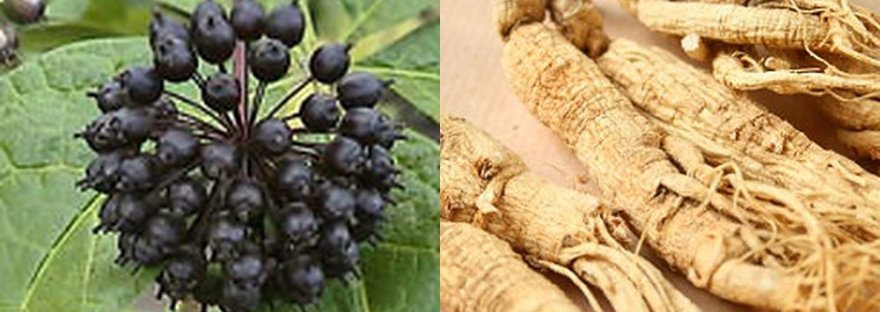
  • Siberian Ginseng (Eleuthero), 1 part. An adaptogen that helps the body adjust to physical and mental stress and supports steady stamina, without the jolt of caffeine.
  • American Ginseng, 1 part. A gentler, cooling ginseng, valued for restoring energy and supporting mental clarity without overstimulating the system.

“Parts” can be any measure you like, as long as you use the same one for both. By weight, that’s simply equal ounces of each.

Putting It Together

Put the dry herbs in a glass jar and pour in 80-proof vodka. Once the herbs have settled, you want about 60% herb sediment on the bottom and 40% liquid on top. Shake the jar every day. The traditional timing follows the moon, from the new moon to the full moon, about two weeks. I prefer to let my extracts sit a full three months, which makes them good and strong. Then strain and bottle the liquid.

How Much and How Often

1 to 2 droppersful (35 to 70 drops), three times a day. Like most tonic herbs, it works best taken steadily; plan on a bottle or two to really feel the difference.

This same pair of roots also goes into my formula for tired adrenals and my blend for men’s vitality. For the brain formula I take with it, see Circulation Is Everything for a Clear Mind.

This is shared for educational purposes, from my own study and experience. It is not medical advice.
Herbal Healing, Women's & Men's Health

A Focused Blend for Male Hormone Balance

This is a smaller, more focused blend for men, built to support the body’s own hormonal balance and vitality. Ashwagandha, Fenugreek and Tongkat Ali form its heart, with Tribulus, Maca and Ginseng added for stamina, energy and libido.

What a Good Male Hormone Formula Contains

A good formula for male hormone balance might contain these six herbs:

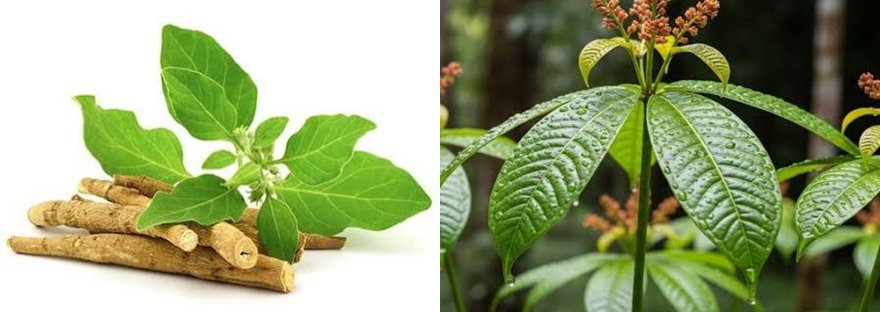
  • Ashwagandha Root, 3 parts. A well-known adaptogen that helps the body handle stress and supports healthy hormone balance, energy and stamina.
  • Fenugreek Seed, 3 parts. Long used to support men’s vitality and hormonal health, and a supportive food for stamina.
  • Tongkat Ali Root, 2 parts. A Malaysian herb long used to support male vitality, stamina and healthy testosterone levels.
  • Tribulus Terrestris, 1 part. Used to support libido and physical performance.
  • Maca Root, 1 part. A root from the Andes, valued for energy, stamina and libido.
  • Ginseng, 1 part. One of the most used herbs for vitality, supporting energy, stamina and healthy sexual function.

“Parts” can be any measure you like, as long as you use the same one for every herb. By weight, that’s 3 ounces each of Ashwagandha and Fenugreek, 2 of Tongkat Ali, and 1 each of the rest.

Putting It Together

Put the dry herbs in a glass jar and pour in 80-proof vodka. Once the herbs have settled, you want about 60% herb sediment on the bottom and 40% liquid on top. Shake the jar every day. The traditional timing follows the moon, from the new moon to the full moon, about two weeks. I prefer to let my extracts sit a full three months, which makes them good and strong. Then strain and bottle the liquid.

How Much and How Often

2 to 3 droppersful, two to three times a day, or as needed.

For a broader blend for men’s energy, see Herbs for Men’s Energy and Vitality, and for the prostate, Keeping the Prostate Clear.

This is shared for educational purposes, from my own study and experience. It is not medical advice.
Herbal Healing, Women's & Men's Health

Herbs for Men’s Energy and Vitality

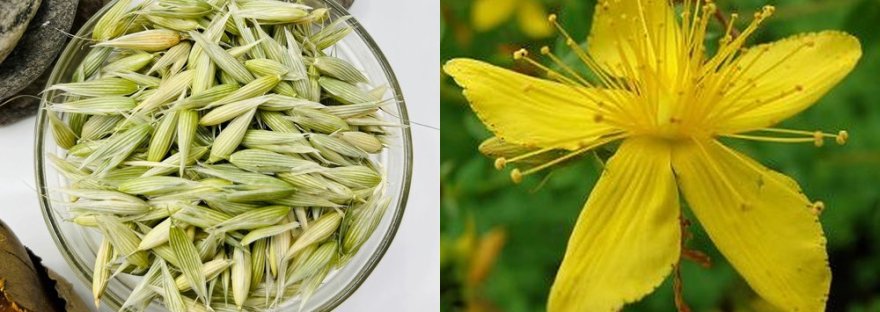
This is a blend for men’s energy, stamina and healthy male function. It brings together a mix of ginseng roots, Damiana and Yohimbe for vitality and drive, Sarsaparilla and Saw Palmetto for hormonal and prostate support, and Ginger, Kola Nut and Oat Seed to round it out.

What a Good Male Formula Contains

A good formula for men’s vitality might contain these herbs:

  • Ginseng Root Mix, 11 parts. The heart of the formula: Wild American “Blue Ridge” Ginseng, Chinese and Korean Ginseng, and Siberian Ginseng roots, for energy, stamina and male vitality.
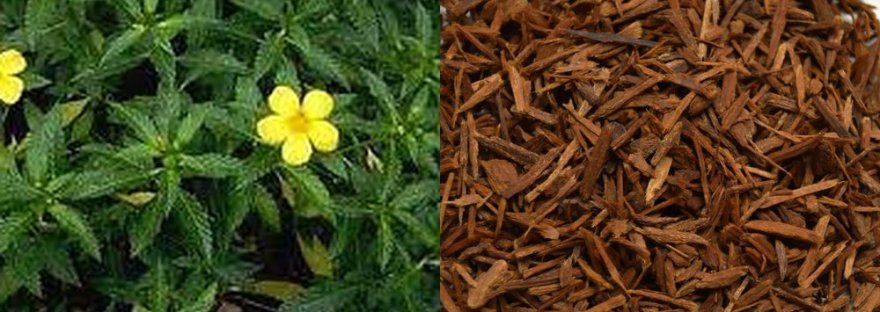
  • Damiana Leaf, 3 parts. Long used to support male energy and healthy sexual function.
  • Yohimbe Bark, 3 parts. An African bark used to support blood flow and male vitality.
  • Sarsaparilla Root, 2 parts. Supports hormonal balance and healthy male function.
  • Ginger Rhizome, 1 part. A warming carrier herb that directs the rest of the formula to the lower body.
  • Kola Nut, 1 part. Stimulating to energy and alertness.
  • Oat Seed, 1 part. A nourishing food for the nervous system, long valued for vitality.
  • Saw Palmetto Berry, 1 part. One of the most trusted herbs for men’s health, supporting the prostate and a healthy balance of male hormones.

“Parts” can be any measure you like, as long as you use the same one for every herb. By weight, that’s 11 ounces of the ginseng mix, 3 each of Damiana and Yohimbe, 2 of Sarsaparilla, and 1 each of the rest.

Yohimbe is a strong-acting herb. It isn’t one for anyone with heart or blood pressure trouble, or anyone taking medication for those.

Putting It Together

Put the dry herbs in a glass jar and pour in 80-proof vodka. Once the herbs have settled, you want about 60% herb sediment on the bottom and 40% liquid on top. Shake the jar every day. The traditional timing follows the moon, from the new moon to the full moon, about two weeks. I prefer to let my extracts sit a full three months, which makes them good and strong. Then strain and bottle the liquid.

How Much and How Often

1 to 2 droppersful (35 to 70 drops), three times a day. It does its best work taken steadily for 3 to 4 months, alongside a good foundational diet and lifestyle.

For the prostate itself, see Keeping the Prostate Clear, and for hormonal balance in both men and women, Hormonal Food for Men and Women.

This is shared for educational purposes, from my own study and experience. It is not medical advice.
Brain, Nerves & Sleep, Herbal Healing

Feeding and Rebuilding the Nerves

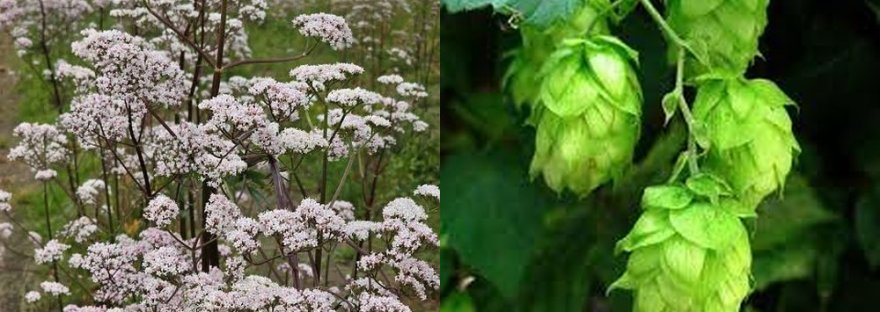
Nerves that have been worn thin by worry, strain or injury need more than calming; they need feeding. This formula is built on two nourishing herbs, Skullcap and Oat Seed, with a few helpers to soothe the nerves, ease spasms and bring good blood flow to the brain.

What a Good Nerve Formula Contains

A good formula for rebuilding the nerves might contain these six herbs:

  • Skullcap, 4 parts. Naturally calming for anyone troubled by worry or emotional distress.
  • Oat Seed, 4 parts. A source of organic calcium the body can easily take in and use to meet the nervous system’s calcium needs.
  • St. John’s Wort Flower, 2 parts. A valuable nervine herb that supports and soothes the nerves.
  • Celery Seed, 1 part. Long regarded as healing to the nerves.
  • Black Cohosh Root, 1 part. Valued for its antispasmodic action.
  • Ginkgo Leaf, 1 part. Increases blood flow to the brain, supporting healthy brain activity.

“Parts” can be any measure you like, as long as you use the same one for every herb. By weight, that’s 4 ounces each of Skullcap and Oat Seed, 2 of St. John’s Wort, and 1 each of the rest.

Putting It Together

Put the dry herbs in a glass jar and pour in 80-proof vodka. Once the herbs have settled, you want about 60% herb sediment on the bottom and 40% liquid on top. Shake the jar every day. The traditional timing follows the moon, from the new moon to the full moon, about two weeks. I prefer to let my extracts sit a full three months, which makes them good and strong. Then strain and bottle the liquid.

How Much and How Often

2 to 4 droppersful, three to five times a day.

The nerves run on calcium, so it helps to feed them that way too; see Calcium You Can Actually Absorb. For a broader nerve food, see Food for a Frayed Nervous System, and for more on how these herbs work, Understanding Nervine Herbs.

This is shared for educational purposes, from my own study and experience. It is not medical advice.

Brain, Nerves & Sleep, Herbal Healing, Pain, Joints & Injuries

A Nervine Salve for Fiery Joint Pain

Dr. Christopher noted that the nervine herbs are good for nerve pain. I took him at his word and put my calming nervine blend into a salve, and it has become a favorite for that fiery, throbbing ball of pain that settles over an overused or injured knee.

Pain like that keeps you from a good night’s sleep and from moving and exercising during the day. This salve soaks into the inflamed nerves and lets them calm down. There’s no numbing; the throbbing simply stops. It has calmed nerve pain in knees, ankles and necks, and it has also eased the nerve pain that comes with shingles.

I’ve found it works quickly during the night, letting me get a good night’s rest when a knee or other joint is flaring up.

What a Good Nervine Salve Contains

A good nervine salve might contain these five herbs, in equal parts:

  • Skullcap, 1 part. One of the most trusted nervine herbs, calming nervous tension.
  • Hops, 1 part. A gentle sedative herb that eases restlessness and inflammation.
  • Valerian Root, 1 part. A classic nervine, valued for calming irritated nerves and easing pain.
  • Gentian Root, 1 part. One of the most bitter herbs there is, rounding out the blend.
  • Black Cohosh, 1 part. Long used to ease nervous tension and carry the body through inflammation.

“Parts” can be any measure you like, as long as you use the same one for every herb. By weight, that’s simply equal ounces of all five. These are the same five herbs as the calming formula I use for sleep and for crisis, taken by mouth.

Lavender essential oil finishes the salve. It softens Valerian’s strong, earthy smell, and it is a nervine and an anti-inflammatory in its own right, so it adds to the calming rather than just covering the smell.

Putting It Together

Fully extract the herbs in extra virgin olive oil in a 150-degree oven for three hours, swap the spent herbs for fresh, and do it three times through. Strain, thicken with beeswax, and stir in the lavender oil at the end.

How to Use It

Rub it into the painful area as often as needed. At night, a good layer before bed is often what lets you sleep through.

Once the Pain Settles

Once the pain and inflammation are under control, it’s time to rebuild the injured area. A joint that has been compromised needs a steady program to clear the injury and restore its strength. For that I turn to the bone, flesh and cartilage formula in Knitting Bone, Flesh and Cartilage Back Together, and to Mullein and Lobelia to release a locked-up joint and move excess lymph fluid out of the area.

Hydrotherapy matters too. Anytime you have injury or illness, you have blockage, and alternating hot and cold water is all about clearing it. The hot water brings fresh blood to the area, and the cold sends that fresh blood driving through the blockage, like loading and firing a blood bullet. The more dramatic the change between hot and cold, the deeper that blood, with all its healing nutrients, will reach. See Hydrotherapy, the Ultimate Healing Tool and Back, Knee and Sciatic Pain: My Stories.

For an overview of how I use herbal salves as topical applications, here is my video:

This is shared for educational purposes, from my own study and experience. It is not medical advice.