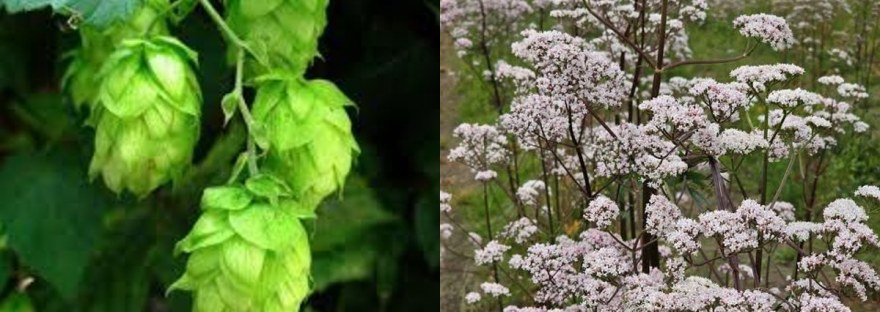
Hops cones beside flowering valerian
Brain, Nerves & Sleep, Herbal Healing, Herbs & How to Use Them

A Calming Formula for Sleep and for Crisis

Years ago, after a class lecture, a grandmother came up to me desperate for help. She had taken in her grandchildren after a very difficult situation at home, and the youngest, still quite small, had become an extremely disagreeable child. At night she would tear her bed to shreds in her sleep, and the school was ready to bar her from after-school care, which her grandmother needed in order to work.

I prayed for direction, and this formula came strongly to mind. I knew it was restorative and good in a crisis, but I’d never thought to use it quite this way. The grandmother agreed to try 10 drops before bed. The next morning the child woke to a bed that barely needed the sheet straightened, came into the kitchen, and politely asked for hot chocolate. Her grandmother told me you could have knocked her over with a feather. The child asked for her drops every night after that, at the same 10 drops, for a long stretch of time. Years later I ran into them again. She was in her late teens by then, calm and sweet.

The herb doesn’t do all the work; there’s always deeper emotional healing a person has to do for themselves. But sometimes a child’s mind just needs help calming down enough to cope with what it can’t yet begin to comprehend.

What a Good General Nervine Contains

This one is five herbs, in equal parts:

  • Skullcap Herb, 1 part. One of the most trusted nervine herbs, used to calm nervous tension and quiet a racing mind without dulling mental clarity.
  • Hops Flowers, 1 part. A gentle sedative herb, used to ease restlessness and support deep, restful sleep.
  • Valerian Root, 1 part. Traditionally described as giving an almost exhilarating sense of calm, and especially valued for supporting women through the emotional swings of the monthly cycle.
  • Gentian Root, 1 part. One of the most bitter herbs there is, used to support digestion. It’s here because a settled digestive system and a calm nervous system go hand in hand.
  • Black Cohosh, 1 part. Long used to support hormonal balance and ease the nervous tension that comes with hormonal shifts.

“Parts” can be any measure you like, as long as you use the same one for every herb. By weight, that’s simply equal ounces of all five.

How It Works

This is a quieting combination for the nervous system. It settles the mind and eases the transition into sleep, and it lets you wake up alert and clear rather than groggy. It has also been used to ease the agitation of addiction recovery, and to support calm and focus in children and adults who struggle with restlessness, hyperactivity or trouble settling their attention.

When menopause brought on a hard case of insomnia for me, I tried a good many things. Of the herbal supports, this formula proved the most effective.

Emotional First Aid

This formula has a second, very different use: emotional first aid during a crisis. At a lower daytime amount it won’t cause the drowsiness the full bedtime amount can, but it takes the sharpest edge off overwhelming emotion. I have seen firsthand how it lets the mind process the changes while keeping the emotions from cascading out of control. It shores up emotional strength and keeps a person from sliding into hysterics.

The sting of loss will come to all of us at some point. Pain, when embraced as a teacher, can uplift and ennoble as the heart and mind find the inner strength to rise above and move on. The discovery, the gift, is that you are more for having passed through the fire.

Putting It Together

Put the dry herbs in a glass jar and pour in 80-proof vodka. Once the herbs have settled, you want about 60% herb sediment on the bottom and 40% liquid on top. Shake the jar every day. The traditional timing follows the moon, from the new moon to the full moon, about two weeks. I prefer to let my extracts sit a full three months, which makes them good and strong. Then strain and bottle the liquid.

The same herbs made into a salve are an excellent aid for nerve pain. Fully extract them in extra virgin olive oil in a 150-degree oven for three hours, swap the spent herbs for fresh ones, three times through in all, and thicken the finished oil with beeswax.

How Much and How Often

  • For sleep: 2 to 4 droppersful in a hot cup of tea at bedtime.
  • For emotional first aid during the day: ¼ to ½ teaspoon, or 20 to 30 drops for someone very petite.

Body size makes a real difference in how much of any formula a person needs, so adjust the amount to what actually works for the person. The only adverse effect I’ve seen is sleepiness at the higher amounts.

Choosing Among the Nerve Formulas

I keep several formulas for the nerves, and each has its own personality:

  • The nerve food formula: feeds and rebuilds a worn-out nervous system; my go-to for anxiety and panic.
  • The general nervine (this post): a strong calming and restorative formula for sleep, and for emotional crisis in lower daytime amounts.
  • The two sleep formulas: one that lets the body grow drowsy, and one that calms the whole body, restless legs included.

This is shared for educational purposes, from my own study and experience. It is not medical advice.
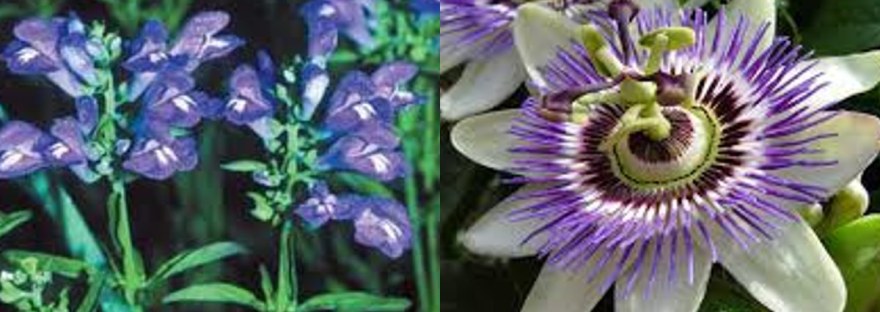

Skullcap flowers beside a passionflower bloom
Brain, Nerves & Sleep, Herbal Healing, Herbs & How to Use Them

Food for a Frayed Nervous System

An older woman was once brought to my office in an awful state of fear after a car ride. Her nerves were so fragile that a simple drive had her climbing up the panic scale. I offered her daughter a cup of tea made with this formula for her mother. She drank it, and within minutes she was sitting quietly, enjoying a lovely visit.

That’s this formula in a nutshell. It feeds a nervous system that’s too worn down to settle on its own. Of all the emotional support combinations I’ve ever worked with, this is one of the best, and it has helped with everything from panic attacks to insomnia. I’ve been truly impressed with it for well over thirty years.

What a Good Nerve Food Formula Contains

This is a nine-herb combination, and nearly all of it is in equal parts:

  • Black Cohosh, 1 part. A traditional nerve-support herb with a long history of use for the nervous system and the female system alike.
  • Hops Flowers, 1 part. A traditional calming herb, long used to ease nervous tension and encourage restful sleep.
  • Passionflower, 1 part. A relaxing herb long used to quiet a restless mind and support sound sleep.
  • Lobelia, 1 part. A relaxant and antispasmodic that helps calm and relax the whole nervous system.
  • Skullcap, 1 part. One of the classic nerve-nourishing herbs, used to calm and restore a frazzled nervous system.
  • Valerian Root, 1 part. A calming root long used to ease nervous tension and support restful sleep.
  • Wood Betony, 1 part. A traditional nerve tonic, used to calm and strengthen the nervous system.
  • Mistletoe, 1 part. Traditionally included to support healthy nerve and heart function.
  • Cayenne, ¼ part. Just a small amount, to move the circulation and carry the rest of the herbs through the body.

“Parts” can be any measure you like, as long as you use the same one for every herb. By weight, that’s 1 ounce each of the first eight herbs and ¼ ounce of Cayenne.

How It Works

The old herbalists described this combination as feeding and revitalizing the motor nerve at the base of the skull, the medulla and upper cervical area, along with herbs that help rebuild and feed the spinal cord. It is used to rebuild the frayed nerve sheath, the nerve itself and its capillaries. It’s mildly stimulating, yet it lessens the irritability and excitability of the nervous system, and it eases pain.

Why It Helps People Sleep

When the nervous system is malnourished, it can’t relax enough to let the body do what it needs to do: settle, sleep, or simply cope with an overwhelming moment. Many people lean on this formula as a sleep aid for exactly this reason. Feed the nervous system through the day, and sleeping soundly through the night tends to follow.

Why Passionflower

The old formula used Lady’s Slipper Root. Lady’s Slipper has become endangered and is difficult to source responsibly, so Passionflower has taken its place at the same ratio. The two work in much the same way, both used to quiet a restless mind and calm the nervous system. I’d rather make a substitution like this openly than quietly draw down a plant that’s already struggling in the wild.

Putting It Together

Put the dry herbs in a glass jar and pour in 80-proof vodka. Once the herbs have settled, you want about 60% herb sediment on the bottom and 40% liquid on top. Shake the jar every day. The traditional timing follows the moon, from the new moon to the full moon, about two weeks. I prefer to let my extracts sit a full three months, which makes them good and strong. Then strain and bottle the liquid.

How Much and How Often

This is a low-dose formula. ½ teaspoon is usually very effective for steady support. Start there, and move up to a full teaspoon per dose only if the need arises. It can be taken in water or stirred into a cup of tea.

What I’ve Seen

  • Facing the freeway again: A childhood friend of mine had developed a fear of driving on the freeway. After a week on this formula she was able to drive the freeway again, with no more panic attacks in traffic.
  • Comfortable in company: A man dealing with social anxiety used it to face uncomfortable social situations. After a teaspoon, he was able to join in and take part comfortably.
  • Emotional first aid: It’s an excellent support in times of extreme stress, and it supports the healing process through the long journey back to emotional health.

Choosing Among the Nerve Formulas

I keep several formulas for the nerves, and each has its own personality:

  • The nerve food formula (this post): feeds and rebuilds a worn-out nervous system; my go-to for anxiety and panic.
  • The general nervine: a strong calming and restorative formula for sleep, and for emotional crisis in lower daytime amounts.
  • The two sleep formulas: one that lets the body grow drowsy, and one that calms the whole body, restless legs included.

This is shared for educational purposes, from my own study and experience. It is not medical advice.

A stone path winding through mountain pines
1 Corinthians, Bible Studies

What God Are We Communing With?

Reflections on 1 Corinthians 10:18

A stone path winding through mountain pines

Behold Israel after the flesh: are not they which eat of the sacrifices partakers of the altar? (1 Corinthians 10:18, KJV)

My mind went in an unexpected direction this morning. Paul is still working through the question of meat offered to idols, something most of us file away as an ancient problem that has nothing to do with us. We don’t buy our meat at a pagan temple. We don’t sit down to a meal in honor of a demon idol. We assume we don’t worship at those altars today. But we still do. And we are affected by the gods we worship.

Eating Was Fellowship

In Corinth, eating at the altar was never just a meal. To eat the sacrifice was to join yourself to the one it was offered to. Paul points to Israel’s own worship to make the point: those who ate the sacrifices were partakers of the altar. Several of the translations I compared this morning capture this beautifully. Goodspeed asks whether those who eat what is sacrificed do not have “divine fellowship” at the altar. Williams calls it “spiritual fellowship.” The Jerusalem Bible says they are “in communion with the altar.” Beck says simply that they “share the altar.”

Reading them side by side, the same thought kept coming to me in the margin: united to their God. United to the God they serve. The God they worship. The meal joined the worshipper to the one being worshipped.

The Remedy carries it one step further: “When we ingest Christ, we become like him and faithfully live out his principles in fulfilling all our duties.” There is a truth, a living truth, that you will model: you become like the God you worship.

This is not a new idea that Paul invented. It runs all through the Old Testament that Paul’s thinking is rooted in. Of the idols that have mouths but cannot speak and eyes but cannot see, the psalmist says, “They that make them are like unto them” (Psalm 115:8). Hosea says Israel’s abominations became “according as they loved” (Hosea 9:10). We take on the character of what we give ourselves to.

Our Altars Today

This truth has a different application to how we live today. You do not go to a temple to buy your meat or get a cooked meal, then enjoy the entertainments of that temple for the evening. Our altars are in our homes now. We don’t need to go out to the temple to worship. The temple is being fed live right into our living rooms, and the sacrifices are delivered right to our door.

Today we fill our bodies with cheap, unhealthy food, degrading the temple of the Lord, our mind and body. Then we turn on our mind-numbing media entertainment for the evening, turning off our reasoning and thinking, allowing all the junk food for the mind to enter unchallenged by our reasoning ability. The food we eat and the media we watch: this all becomes the society we live in.

We are eating and fellowshipping at our altars. The question is, what god are we communing with?

You Are What You Take In

Look honestly at your physical, emotional and spiritual food program. How much time do you spend filling your body and mind with the foods that build up your life, and how much with what degrades it?

You are physically what you eat; that is all you can be. There is no magic that turns worthless food into the nutrition your body needs to function and thrive. Eating a protein shake in the morning and cookies, candies and cheap carbs the rest of the day does not create health in the body, mind or spirit. The same is true of your emotional and spiritual life. You are what you take in. You become like the God you worship.

Every Choice Sets the Direction

You only have to choose today, and continue to choose, what you will consume, what you will take into your very heart and mind and allow to influence your eternal destiny. Each day, with every decision you make or fail to make, you are deciding who you are becoming. Each decision sets your life more firmly in the direction you are facing.

As the decisions go by, one after the next, you stop thinking about changing. The good you choose to do becomes your natural habit; it is who you are. The careless, foolish choices you once made no longer even interest you. Your mind is brighter, your body has a quicker step, your conversations are more intelligent. You are becoming more.

The other side takes hold just the same way. Each choice to put off the good you can do today adds up. You are tired and just want to veg out with a pizza and a good movie; it becomes your comfortable evening habit. You think, I should start that study, that walk, that project, but you choose to feed your brain and soul one more night of junk food first. That one more night turns into your life. There are no redo buttons on life.

And by then you no longer wish to change. You have lost all interest or taste in expanding your mind or ennobling yourself. All that Bible stuff seems so unappealing; there is no taste or inclination toward deep study. The mind has been starved to the point it has lost the ability for deep thought. The rule still applies: you become like the God you worship. No choice is a choice to not change anything.

This is what being settled into truth looks like, or settled away from it. There is no magic or lightning strike from God. You are just who you are. You have made every choice to be exactly who you are.

A Word on the Translations

Reading ahead into verses 19 through 21, it amazes me how some versions get this so right, while others change it just a little and lose the whole concept. The key word Paul uses through this passage is koinonia: fellowship, communion, sharing a common life. Some versions keep it. Others soften it to “associate themselves with,” or turn it into “sharing in the altar’s service,” something you do rather than someone you are joined to. Once that happens, Paul’s warning goes flat, and the question of meat offered to idols becomes a matter of manners instead of a matter of whom you are united with.

That too shows the choices and decisions of those doing the translating. It is hard to see beyond your own choices to think that there is something more, and an intellectual doing a translation can get stuck there as easily as anyone. Every rendering is a decision shaped by everything the translator has already taken in.

The same pull works on every one of us as readers. That is why I lay many translations side by side, not trusting any one voice, and keep asking the same question of every passage: what does this tell us about God? It guards against the translators’ bias, and against my own.

One Choice at a Time

All of life’s big moments begin with a small, insignificant choice, just a small moment in a day: the day you set your feet on the path to becoming who you would be. You are free to change your mind, make a turn, go a different way. The longer you have been set in your current pattern of life, the more effort it will take to make a lasting change. But it can be done, one choice at a time.

And the same law that pulls us down can lift us up. Paul writes later to this same church that “we all, with open face beholding as in a glass the glory of the Lord, are changed into the same image from glory to glory” (2 Corinthians 3:18). Choose the table you sit at. Choose the God you commune with. You will become like Him.

We are our choices.

Oct 1, 2026 · @Dara Dietz

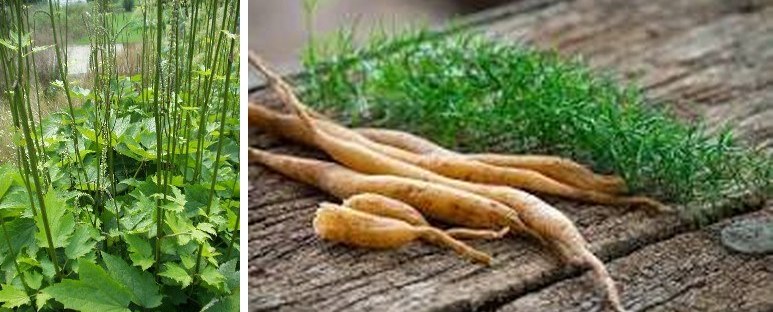
Black cohosh plants beside shatavari roots
Herbal Healing, Herbs & How to Use Them, Organs & Glands, Women's & Men's Health

Hormonal Food for Men and Women

Hormones aren’t something you can simply add to the body and expect balance. The body makes its own, and it needs the raw materials to do it. This combination is a hormonal food: it provides the raw material for the body to make whatever hormones it calls for. And because hormones are a need for everyone, it can be used by men and women alike.

It’s especially helpful through the natural hormonal shifts of adolescence, pregnancy and menopause. It helps balance the hormones, eases the tension that so often rides along with reproductive change, and supports both the adrenal glands and the heart as they carry the body through that change.

What a Good Hormonal Food Formula Contains

This one uses eight herbs, in equal parts:

  • Black Cohosh, 1 part. A classic women’s herb and nervine. It supports hormonal balance and eases the tension and nervousness of reproductive change, while feeding and strengthening the nervous system.
  • Sarsaparilla, 1 part. A natural source of steroidal saponins that support healthy hormone balance in both men and women, traditionally used as a glandular tonic and for prostate support.
  • Ginseng, 1 part. A well-known adaptogen supporting energy, memory and healthy sexual function in men and women, and helping the body handle the stress of hormonal transition.
  • Licorice, 1 part. Supports the adrenal glands and eases the irritability and nervous exhaustion that so often come with hormonal change.
  • Blessed Thistle, 1 part. Supplies vitamins, minerals and hormone-supportive compounds, long included in women’s formulas to balance hormones through cycle changes and puberty.
  • Squaw Vine, 1 part. Tones and strengthens the uterine area, and was traditionally used in the final weeks of pregnancy to prepare the muscles for birth.
  • Shatavari, 1 part. A cooling, deeply moistening adaptogen that brings relief for hot flashes, night sweats and dryness, balancing the blend’s warmer herbs.
  • Vitex (Chaste Tree Berry), 1 part. Acts on the pituitary gland to encourage healthy progesterone production, easing mood swings and irregular cycles, especially in perimenopause.

“Parts” can be any measure you like, as long as you use the same one for every herb. By weight, that’s simply equal ounces of all eight.

Why Shatavari and Vitex

This formula once used False Unicorn Root, a pelvic tonic long valued in Western herbalism. False Unicorn has become hard to find as wild supplies are over-harvested, and it is now on the United Plant Savers At-Risk list. Rather than keep drawing on a scarce wild plant, I replaced it with Shatavari and Vitex. Together they cover what False Unicorn provided and more: Shatavari’s cooling, moistening help for hot flashes and dryness, and Vitex’s support for the pituitary’s part in a balanced cycle.

Putting It Together

Put the dry herbs in a glass jar and pour in 80-proof vodka. Once the herbs have settled, you want about 60% herb sediment on the bottom and 40% liquid on top. Shake the jar every day. The traditional timing follows the moon, from the new moon to the full moon, about two weeks. I prefer to let my extracts sit a full three months, which makes them good and strong. Then strain and bottle the liquid.

How Much and How Often

½ to 1 teaspoon, three times a day.

Three Formulas, Three Jobs

I keep three formulas for the female system, and each has its own job:

  • The everyday formula: basic food for the female system, a balancing formula for every woman from puberty on. It’s the starting place for anyone needing support.
  • The structural formula: for rebuilding and revitalizing a female system that has been worn down, as part of a program for endometriosis, cysts and similar troubles.
  • The hormonal formula (this post): hormonal food that gives the body the raw material to make whatever hormones it calls for, for men and women alike.

This is shared for educational purposes, from my own study and experience. It is not medical advice.
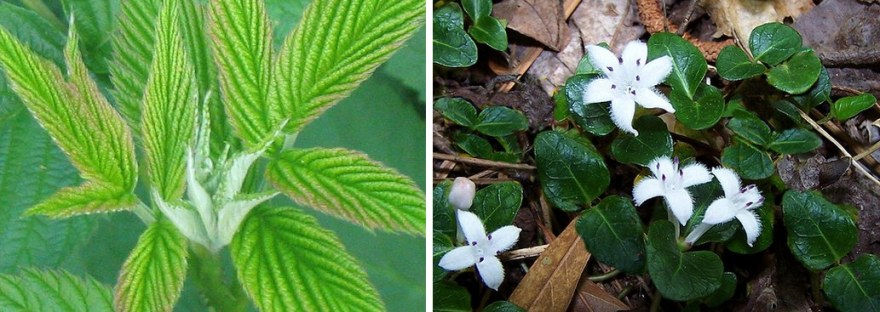
Red raspberry leaves beside squaw vine
Herbal Healing, Herbs & How to Use Them, Women's & Men's Health

Rebuilding a Worn-Down Female System

Some women come to me with more than a cycle that needs balancing. Their female system has been worn down and needs rebuilding. That’s what this combination is for: rebuilding and revitalizing the reproductive organs. It’s part of my program for women dealing with endometriosis, cysts and similar troubles.

It works alongside my basic female formula, the everyday food for the female system. This one goes deeper, bringing together the traditional women’s herbs that tone and strengthen the uterus and ovaries.

What a Good Rebuilding Formula Contains

Here is the combination I trust, with the proportions:

  • Golden Seal Root, 3 parts. The largest part, a well-known tonic herb valued for its broad supportive and cleansing action.
  • Blessed Thistle, 1 part. A traditional women’s tonic herb, long used to support healthy reproductive and glandular function.
  • False Unicorn Root, 1 part. A traditional women’s herb used to support the healthy function of the uterus and ovaries.
  • Red Raspberry Leaves, 1 part. Long used to tone and support the uterus.
  • Squaw Vine Herb, 1 part. Historically used to support the reproductive system through the childbearing years.
  • Cramp Bark, 1 part. Valued for its antispasmodic action, easing cramping and tension.
  • Uva Ursi Leaves, 1 part. Supports healthy urinary tract function.
  • Ginger Root, 1 part. Warming, supporting digestion and circulation.
  • Cayenne, ¼ part. Just a small amount, as a natural catalyst that stirs the circulation so the other herbs can do their work.

“Parts” can be any measure you like, as long as you use the same one for every herb.

Putting It Together

Put the dry herbs in a glass jar and pour in 80-proof vodka. Once the herbs have settled, you want about 60% herb sediment on the bottom and 40% liquid on top. Shake the jar every day. The traditional timing follows the moon, from the new moon to the full moon, about two weeks. I prefer to let my extracts sit a full three months, which makes them good and strong. Then strain and bottle the liquid.

How Much and How Often

½ to 1 teaspoon in a cup of distilled water, morning and evening, or up to three times a day, six days a week, for as long as needed.

Three Formulas, Three Jobs

I keep three formulas for the female system, and each has its own job:

  • The everyday formula: basic food for the female system, a balancing formula for every woman from puberty on. It’s the starting place for anyone needing support.
  • The structural formula (this post): for rebuilding and revitalizing a female system that has been worn down, as part of a program for endometriosis, cysts and similar troubles.
  • The hormonal formula: hormonal food that gives the body the raw material to make whatever hormones it calls for, for men and women alike.

This is shared for educational purposes, from my own study and experience. It is not medical advice.
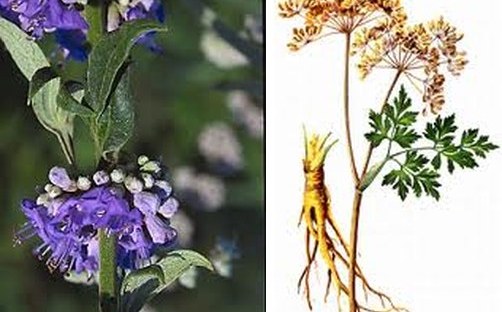
Chaste tree flowers beside dong quai
Herbal Healing, Herbs & How to Use Them, Women's & Men's Health

Food for the Female System

Of all the formulas I make, this is one I use in my own life, not just recommend. Think of it as food for the female system. It’s a balancing formula that can be used from puberty on, and it never goes out of use. It’s the starter formula for any woman needing support, through the cycling years, menopause and beyond.

What I like about it is that it doesn’t try to do just one thing. It gives the body the raw material it needs to make and balance its own hormones, while calming the nervous system that so often gets frayed along with the hormonal swings. It supports better communication between the brain’s endocrine centers and the ovaries.

What a Good Female Formula Contains

Here is the combination I trust, with the proportions:

  • Chaste Tree Berry, 3 parts. Helps regulate irregular cycles, tending to shorten a long cycle and lengthen a short one. It’s traditionally used for other cycle-linked troubles too, like migraines and acne, and can support fertility where progesterone runs low.
  • Wild Yam Root, 3 parts. A natural antispasmodic, doing much of the work on cramps by relaxing muscle tension and soothing the nerves.
  • Dong Quai Root, 2 parts. Sometimes called the “ultimate herb” for women, traditionally used for menopause symptoms, cramps, low energy and low desire.
  • Damiana Leaf, 1 part. A traditional vitality tonic that supports circulation and energy and increases libido.
  • Licorice Root, 1 part. One of the best foods I know for the adrenal glands, helping the body handle stress and easing the nervousness and irritability of adrenals worn thin.
  • Hops Flowers, 1 part. A gentle, calming touch that supports restful sleep.

“Parts” can be any measure you like, as long as you use the same one for every herb.

Putting It Together

Put the dry herbs in a glass jar and pour in 80-proof vodka. Once the herbs have settled, you want about 60% herb sediment on the bottom and 40% liquid on top. Shake the jar every day. The traditional timing follows the moon, from the new moon to the full moon, about two weeks. I prefer to let my extracts sit a full three months, which makes them good and strong. Then strain and bottle the liquid.

How I Use It

The amount is simple and doesn’t change: 1½ teaspoons a day, regardless of age, weight or situation. I usually take it all at once in the morning. If hot flashes or night sweats are part of the picture, split it instead and time it: an hour or two ahead of when hot flashes tend to strike, or the larger share before bed for night sweats.

Normally, set it aside the week of your period. The one exception is breakthrough or excess bleeding, during menopause or any other time. Then a full tablespoon, taken for a day or two in a row, will usually slow the bleeding within a few hours. Keep up the higher amount another day or so to help keep it from starting back up. The only thing to expect at that amount is some breast tenderness from the natural progesterone-like action. It’s harmless and clears up once you’re back to the normal amount.

Over the years I’ve watched many women use this formula to gradually come off synthetic hormones. That weaning is best done slowly, over 30 to 60 days.

My Own Story

My last cycle came after 11 months without one, and it hit hard. I was 48, and my body seemed determined to make up for all those missed months at once: heavy bleeding, clots, and emotional swings that were honestly the harder part. I took a tablespoon of my female formula twice that first day. Within a few hours the emotional swing eased and I felt like myself again, and the bleeding slowed to a normal flow in about four hours. I kept up that high amount for the week, and the bleeding stopped within five days. I never had another cycle after that, and I was more than ready.

Every woman’s experience is different, but we’re all likely to run into something unexpected along the way. Menopause doesn’t have to be a nightmare with the right support behind you.

A Family Favorite

If you have several daughters and want a peaceful household, make sure they all get their female formula. It keeps the PMS grouch away. It’s no surprise that husbands and fathers are the ones I hear from most often about keeping it in the house!

Three Formulas, Three Jobs

I keep three formulas for the female system, and each has its own job:

  • The everyday formula (this post): basic food for the female system, a balancing formula for every woman from puberty on. It’s the starting place for anyone needing support.
  • The structural formula: for rebuilding and revitalizing a female system that has been worn down, as part of a program for endometriosis, cysts and similar troubles.
  • The hormonal formula: hormonal food that gives the body the raw material to make whatever hormones it calls for, for men and women alike.

This is shared for educational purposes, from my own study and experience. It is not medical advice.
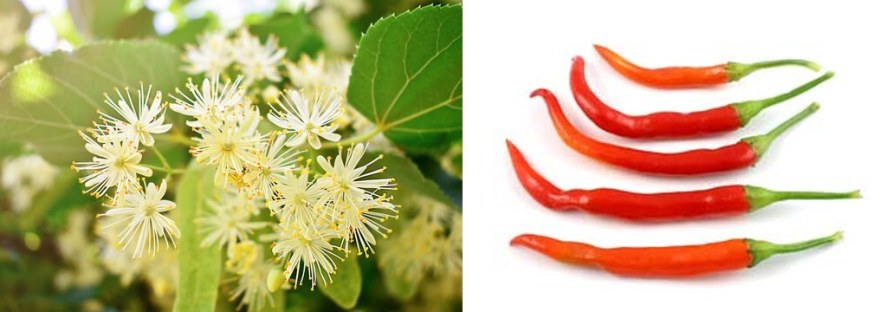
Linden flowers beside cayenne peppers
Heart, Blood & Circulation, Herbal Healing, Herbs & How to Use Them

Clearing What Drives Blood Pressure Up

Blood pressure is the pressure the blood puts on the walls of the arteries. It depends on the force of the heartbeat, how elastic the vessel walls are, the resistance in the tiny capillaries, and how thick the blood is. When the pressure climbs, the real question is what’s driving it up. Forcing the number down without clearing the cause doesn’t heal anything.

Four Things That Drive It Up

  1. Thick, sluggish blood. Excess cholesterol and other sticky, mucus-like waste load the circulatory system and thicken the blood. This usually goes hand in hand with a clogged bowel, which is why cleansing the bowel is part of purifying the blood.
  2. Clogged kidneys. The kidneys filter all of the blood; there’s no bypass. Their tiny vessels are about the width of a hair, and any sediment there makes the heart pump harder to push the blood through.
  3. Hardening of the arteries. When the body needs calcium, it will pull it from the walls of the veins and arteries as well as from the bones. The vessels grow hard and lose their give, and the heart is left pushing blood through a crimped straw.
  4. Emotional stress. Stress can kill. It’s important to find ways to unplug and relax.

The first three are brought on by a poor diet, too little rest and exercise, and a lack of vitality in the body. That’s why no formula works alone. You cannot be healthy while breaking the laws of health.

I keep three combinations for blood pressure. Each one goes after a different cause, and they can be used together.

Formula One: Calming the Stress

This one is built on Dr. Shook’s old Calming Herbal Food Compound, for when stress, physical or emotional, is pushing the numbers up.

  • Buckthorn Bark, 6 parts. Gently keeps the bowels moving, so the body has a way to carry off what it doesn’t need.
  • Speedwell Herb, 4 parts. An old European calming herb, long used to ease tension and support the blood vessels.
  • Valerian Root, 3 parts. Part of the calming backbone, easing an overactive nervous system without dulling you.
  • Licorice Root, 3 parts. Sweetens the formula and traditionally supports the adrenals, which take a real hit during chronic stress.
  • Linden Flowers, 3 parts. Another old European calming herb, gentle on the nerves and the blood vessels.
  • Rue Herb, 1 part. The other half of the calming backbone. Rue has traditionally been avoided during pregnancy, and that’s a genuine concern; leave it out if you’re pregnant or may become pregnant.
  • Goldenrod, 1 part. Supports the kidneys, helping clear what the body releases.

Formula Two: Clearing the Arteries

This one is built on Dr. Shook’s old arterial formula and goes after the vascular system itself, helping clear what has built up in the arteries.

  • Buckthorn Bark, 30 parts. By far the largest part. Because this formula clears waste out of the vascular system, waste the liver has to process and the bowels have to carry out, it needs strong bowel support.
  • Senna, 12 parts. Works with the Buckthorn to keep elimination moving. Together they also make this formula helpful for constipation.
  • Sassafras Bark, 3 parts. A traditional blood purifier with a long history in American herbalism.
  • Goldenrod, 3 parts. Supports the kidneys, helping clear fluid out of the vascular system.
  • Buckbean, 3 parts. A bitter tonic that supports digestion and the liver.
  • Black Cohosh, 3 parts. Traditional support for circulation.
  • Poke Root, 3 parts. Traditional support for lymphatic clearing.
  • Cassia Bark, 3 parts. Adds warmth and its own bit of circulatory support.

We make this one by the ounce: 30 ounces of Buckthorn and 12 ounces of Senna, with 3 ounces each of the other six herbs. Those big numbers are on purpose. This formula is all about clearing, and the bowels have to be kept moving for the rest of it to do its work. Those who use it find their bowels working better too.

Why Sassafras is still in it. Sassafras has centuries of traditional use behind it. In the 1960s the FDA restricted it after safrole, one of its natural compounds, was linked to cancer in laboratory animals given extremely high doses. My father was a biochemist, and he taught me to actually read studies like that one rather than just the headline. A finding from animals dosed at levels no one traditionally consumes doesn’t tell you much about generations of ordinary, moderate use. Dr. Christopher believed the same, and so do I. I’m not going to quietly drop an herb with this much tradition behind it.

Formula Three: Boosting the Circulation

This one is built on Dr. Christopher’s old circulation formula, and Cayenne runs the whole show. Cayenne equalizes blood pressure: if it’s high, Cayenne traditionally helps bring it down, and if it’s low, it helps bring it up. I’d like to see a drug that can do both at once. To me, that’s a gift straight out of God’s pharmacy.

  • Cayenne, 3 parts. The leader, increasing the power of the heart and moving the circulation.
  • Parsley Root, 3 parts. Supports fluid balance.
  • Ginger, 2 parts. Adds warmth and helps the circulation.
  • Goldenseal Root, 1 part. Supports the mucous membranes.
  • Garlic, 1 part. One of the oldest cardiovascular supports there is.
  • American Ginseng, ½ part, and Siberian Ginseng (Eleuthero), ½ part. Traditional tonics for overall vitality.

How the Three Work Together

None of these formulas are designed to force blood pressure lower. They clear whatever is driving it up. When stress and a vascular system that needs clearing are both part of the picture, Formulas One and Two work well together. Formula Three adds a kick to either one when a program needs a bigger push.

“Parts” can be any measure you like, as long as you use the same one throughout a formula. I make each one as a tincture: put the dry herbs in a glass jar and pour in 80-proof vodka until, once settled, there’s about 60% herb sediment on the bottom and 40% liquid on top. Shake daily. The traditional timing follows the moon, from new moon to full moon, about two weeks; I prefer a full three months for a good, strong extract. Then strain and bottle.

A common amount is ½ to 1 teaspoon in water or juice, up to three times a day. This is not a quick fix. It normally takes two to three months for the pressure to begin to come down, and when it does, the numbers stay down, because the causes have been cleared. Keep taking whatever medication you’re on until your body shows you it no longer needs it.

Other Helps

  • Kelp is an arterial cleanser that tones the walls of the blood vessels. It is believed to help remove deposits from the artery walls and restore their elasticity, and it can help normalize low blood pressure too.
  • Cayenne on its own: work up to a teaspoon three times a day. A pinch with meals helps move the blood.
  • Garlic in the diet, regularly and generously.
  • Wheat Germ Oil, a traditional source of vitamin E, long used to support healthy blood vessels.
  • Cut back on liquor, tobacco and late hours, which all strain the circulatory system.

This is shared for educational purposes, from my own study and experience. It is not medical advice.
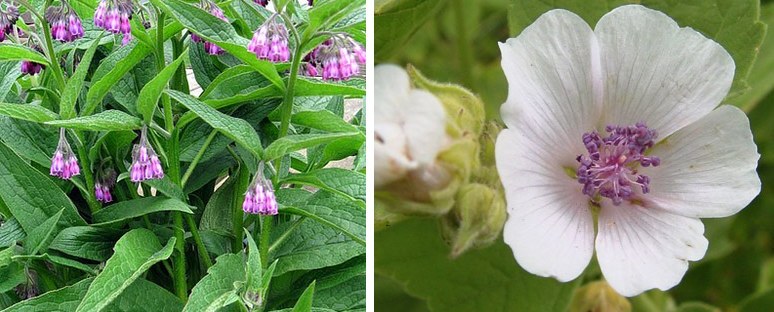
Comfrey in bloom beside a marshmallow flower
Herbal Healing, Herbs & How to Use Them, Skin, Wounds & First Aid

A Healing Salve to Keep on Hand

Every home should have a good healing salve within reach. This one is built on Dr. Christopher’s healing ointment: three soothing herbs and four essential oils that are calming and healing to inflamed skin. It’s the salve I reach for after a joint has been overused or injured, for dry, itchy skin, for lesions and eczema, for poison ivy, and for hemorrhoids.

What a Good Healing Salve Contains

The herbs, in equal parts:

  • Comfrey Root, 1 part. Known for its ability to knit flesh together, which makes it part of nearly any formula that supports the skin. One of its main constituents is allantoin, a cell proliferant that encourages healthy new cells to multiply.
  • Marshmallow Root, 1 part. Very soothing and healing to inflamed tissue. Its high mucilage content helps draw out irritation and impurities.
  • Marigold (Calendula), 1 part. One of the herbalist’s most reliable dressings for sores, burns and wounds, gentle and non-irritating. As a salve it’s excellent for chapped skin, and it has long been used to take the sting out of a bee or wasp sting.

“Parts” can be any measure you like, as long as you use the same one for every herb. By weight, that’s simply equal ounces of all three.

The essential oils, added at the end:

  • Rosemary, valued for helping heal breaks in the skin and for calming inflammation.
  • Lavender, one of the most widely used essential oils, traditionally regarded as soothing to pain and inflammation and as an antiseptic, with a calming scent that rounds out the blend.
  • Frankincense, traditionally used for calming inflammation and for supporting skin regeneration and healing.
  • Helichrysum, with a long history of use for skin irritation and for supporting the skin’s healing process.

Making the Salve

The herbs are fully extracted in extra virgin olive oil. They go into a 150-degree oven for three hours, then the spent herbs are swapped out for fresh ones, three times through in all. The finished oil is thickened with beeswax, and the essential oils are stirred in at the end.

How It Works

This combination supports faster healing of the skin and flesh. It works as an antiseptic, helping to prevent or clear minor infections, and it calms inflammation, which eases the pain in the affected area. Remember, pain comes from blockage; clear the blockage, and the pain comes down.

How to Use It

Apply it directly to the area, or make a salve pack: spread on a good layer, cover it with flannel, and secure it over the area.

  • An overused or injured joint: Once any ice pack has done its job, or right away if there was no impact and no concern for internal bleeding (as with overuse), pack the joint with the salve for a couple of hours. It knocks down the inflammation around the damaged area so healing can happen more quickly, and it keeps the discomfort from building.
  • Itching: After hot and cold hydrotherapy on the itchy area, I like to finish with this salve to support the body in clearing whatever is behind the itch. When the itch is persistent or severe, the liver may need support too, since skin troubles like eczema and hives so often trace back to an overloaded liver.
  • Hemorrhoids: Apply as needed to soothe the swollen, irritated tissue, alongside changes to the food program. Junk foods that leach calcium from the body are a root cause.

For an overview of how I use herbal salves as topical applications, here is my video:

This is shared for educational purposes, from my own study and experience. It is not medical advice.
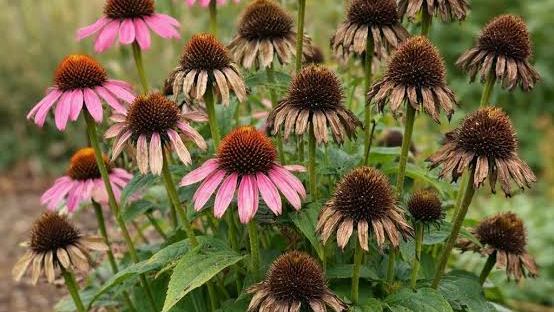
Echinacea in bloom and going to seed
Herbal Healing, Herbs & How to Use Them, Infection, Colds & Flu

Echinacea: Telling the Immune System to Gear Up

If you’ve followed my work for any length of time, you already know Echinacea is where I start. It’s woven into nearly everything I do. It’s the immune-building foundation of my infection work, and it’s the first thing I reach for whenever someone’s immune system needs to gear up.

How Echinacea Works

Echinacea doesn’t work the way most formulas do. Most need to stay at a fairly steady level in the bloodstream so the body can draw on them whenever it needs to. Echinacea is different. It works by sending the immune system a signal to gear up and start producing more immune cells, and then by stirring those cells into readiness. That’s a command, not a supply, which is exactly why it can be taken all at once in a single daily dose instead of spread out through the day.

Over the years it has traditionally been reached for across a wide range of needs: feverish illness, respiratory infections, skin infections and wounds, insect bites and stings, and allergic reactions.

What a Good Echinacea Formula Contains

A good Echinacea formula uses more than one part of the plant, because each part brings something different. I use four forms of Echinacea in equal parts:

  • Echinacea Angustifolia Root, 1 part. Rich in alkylamides, the compounds behind Echinacea’s classic tongue-tingle and much of its immune-activating power.
  • Echinacea Purpurea Root, 1 part. Adds its own alkylamide strength alongside the Angustifolia Root.
  • Echinacea Purpurea Whole Herb, 1 part. The leaf, stem and flower, adding natural plant sugars that help wake up the immune system, and plant compounds that help protect the body’s cells and calm swelling.
  • Echinacea Purpurea Seed, 1 part. Carries its own distinct alkylamide profile, different compounds than the ones concentrated in the root.

“Parts” can be any measure you like, as long as you use the same one for every herb. By weight, that’s simply equal ounces of all four.

Why the Seed Stays

The seed is the hardest of the four to come by and the most expensive, and I once came close to pulling it out and putting more root in its place. The compounds most responsible for Echinacea’s immune-activating punch run far higher in the root, and on paper, more root looked like an upgrade.

But when I looked closer, the seed turned out not to be a weak echo of the root. One particular compound makes up nearly 90 percent of the alkylamides in the seed head, while it barely registers in the root. The seed is contributing something the root doesn’t carry much of at all. What that does in the body isn’t settled in the research yet.

The herbalists who first put seed into Echinacea formulas had no lab to tell them any of that. What they had was generations of watching the whole plant work, and they noticed the seed mattered. The chemistry is only now catching up to what they saw. So the seed stays.

A Stronger Version: With Cayenne and Garlic

I also make a second version, with Cayenne and Garlic Juice added after the extract is finished: about 1 ounce of Cayenne and 2 ounces of Garlic Juice to every 64 ounces of Echinacea extract. The Cayenne boosts blood and lymph circulation, helping carry the Echinacea throughout the body. The Garlic Juice adds a second, direct-acting layer of support; garlic has long been valued as one of the strongest natural antimicrobials.

Plain Echinacea is the better choice for children and for anyone who shouldn’t have Cayenne or Garlic. It’s also what I recommend for someone who is very toxic and just starting a healing program. You want to support and rebuild the immune system first, before you start detoxing. Adding the stronger version too early just piles extra die-off onto an immune system that’s already struggling. Get the immune system standing on its own feet first, then move into detox work.

Putting It Together

Put the dry herbs in a glass jar and pour in 80-proof vodka. Once the herbs have settled, you want about 60% herb sediment on the bottom and 40% liquid on top. Shake the jar every day. The traditional timing follows the moon, from the new moon to the full moon, about two weeks. I prefer to let my extracts sit a full three months, which makes them good and strong. Then strain and bottle the liquid.

How Much and How Often

  • Immune boosting, or a cold coming on: 1 oz once a day, four days in a row.
  • Serious disease work: 1 oz a day, six days a week. Always take the Lord’s day off, to let the body rest from that ongoing “make more” command. The old herbalists observed that the body heals better and faster with that day of rest built in, and that has held true in my experience too.
  • A strong infection program: when the two infection formulas (a garlic formula and a Plantain formula) are being taken every hour, step Echinacea up to 1 oz every 12 hours right alongside them. That pace usually only needs to hold for a day or two before dropping back to 1 oz once a day.

From there, step back down as your program eases, following your body’s own signals. There’s no harm in staying at these amounts for extended periods.

One thing worth knowing: if you start feeling flu-like, get a detoxing headache, or notice moodiness that isn’t like you, that’s usually a sign the body is getting too toxic from die-off being reabsorbed. The immune system doesn’t yet have the capacity to clear out everything that needs to go. Listen to your body, so you don’t end up feeling awful on the road to getting an infection out.

A Story I Still Think About

Years ago I supported a woman through a healing program for lymphoma. We worked up to 2.5 ounces of Echinacea a day, and she stayed there for around six months. The only side effect she ever had was that she got well. That program was back in 2002, and as I write this, she’s still alive and healthy.

The Gift Is in the Journey

Healing will happen, but you have to put in the effort yourself. No one else can do this work for you. It’s your body, and it’s your responsibility. Listen to your body, listen to your heart, and listen to the Holy Spirit; the truth is there. Take this time to really know yourself. The gift is in the journey, not the destination.

This is shared for educational purposes, from my own study and experience. It is not medical advice.
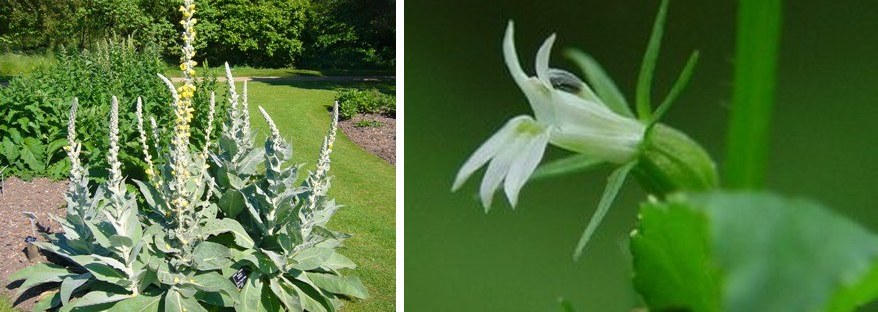
Mullein plant in bloom beside a lobelia flower
Herbal Healing, Herbs & How to Use Them, Pain, Joints & Injuries

Mullein and Lobelia: Letting Locked Muscles Go

Mullein and Lobelia is one of the simplest combinations I know, just two herbs, and one of the most surprising. Dr. Christopher called it his glandular formula, and we first made it into a salve for support of the glandular system. We had no idea what else it could do until our very first batch had just cooled in the jars.

What It Contains

This is a two-herb combination:

  • Mullein, 3 parts. Mullein has a special affinity for the glands and the respiratory organs. It calms and quiets inflamed, irritated tissue, and it supports the movement of excess lymph fluid out of an injured area.
  • Lobelia, 1 part. To my mind, the best antispasmodic there is. It works to release muscles and joints that have locked up.

“Parts” can be any measure you like, as long as you use the same one for both herbs. By weight, 3 ounces of Mullein go with 1 ounce of Lobelia.

The same two herbs can be taken internally as an extract for glandular support, but the salve is where this combination really surprised me.

Making the Salve

The herbs are extracted in extra virgin olive oil in a 150-degree oven for three hours. With most salves I swap the spent herbs for fresh ones and run them through three times, but Mullein is the problem child. It’s a sponge and soaks up far too much of the oil, so this one only goes through once. The finished oil is thickened with beeswax.

The olive oil isn’t just a carrier. It is rich in vitamin E and antioxidants and nourishes the skin on its own. The beeswax adds vitamin A and forms a protective, moisturizing seal, so the salve stays put and does its work.

A Frozen Knee

I slid off our bed one morning to find my right knee locked. It was frozen, I was in a lot of pain, and I couldn’t get back up on the bed or move. I have no idea how a jar of our new Mullein and Lobelia salve happened to be on my night table, but there it was. I was strongly impressed to put a bit on my knee. I knew Lobelia was an antispasmodic, so the idea wasn’t completely out of left field.

What happened next can only be described as miraculous. I smeared a small amount over my knee, and instantly the knee released. I was able to walk away without pain. It just let go.

My husband Michael was his normal skeptical self when I told him, until the summer his own knee locked up. I handed him the jar, and his knee released instantly too. Now he sings its praises.

Other Ways We’ve Used It

  • Frozen fingers: A member in California had overused her hands until her fingers were frozen in a claw. She called five minutes after the salve arrived to say her fingers had released.
  • Massage support: Massage is an important part of any natural healing program, because toxins need to be encouraged out of the tissues. Apply the salve over the difficult areas and give the muscles a few minutes before the work begins. They relax quickly in response.
  • Stiff neck and tension headaches: The salve relaxes the muscle spasm in my neck and shoulders. When there’s nerve pain too, I pair it with a nerve-calming salve, and together they work like a charm.
  • Sore feet: One of our members uses it daily on her sore feet and finds that steady use keeps her foot pain away.

How to Use It

Apply directly to the area as needed.

Here I show how I use this salve for tight, spastic muscles:

For an overview of how I use herbal salves as topical applications, here is my video:

This is shared for educational purposes, from my own study and experience. It is not medical advice.